News
BBC director general warns TV licence fee is outdated
BBC director general says the TV licence fee is outdated, reviving debate on BBC funding, accountability and what a public broadcaster should deliver next.

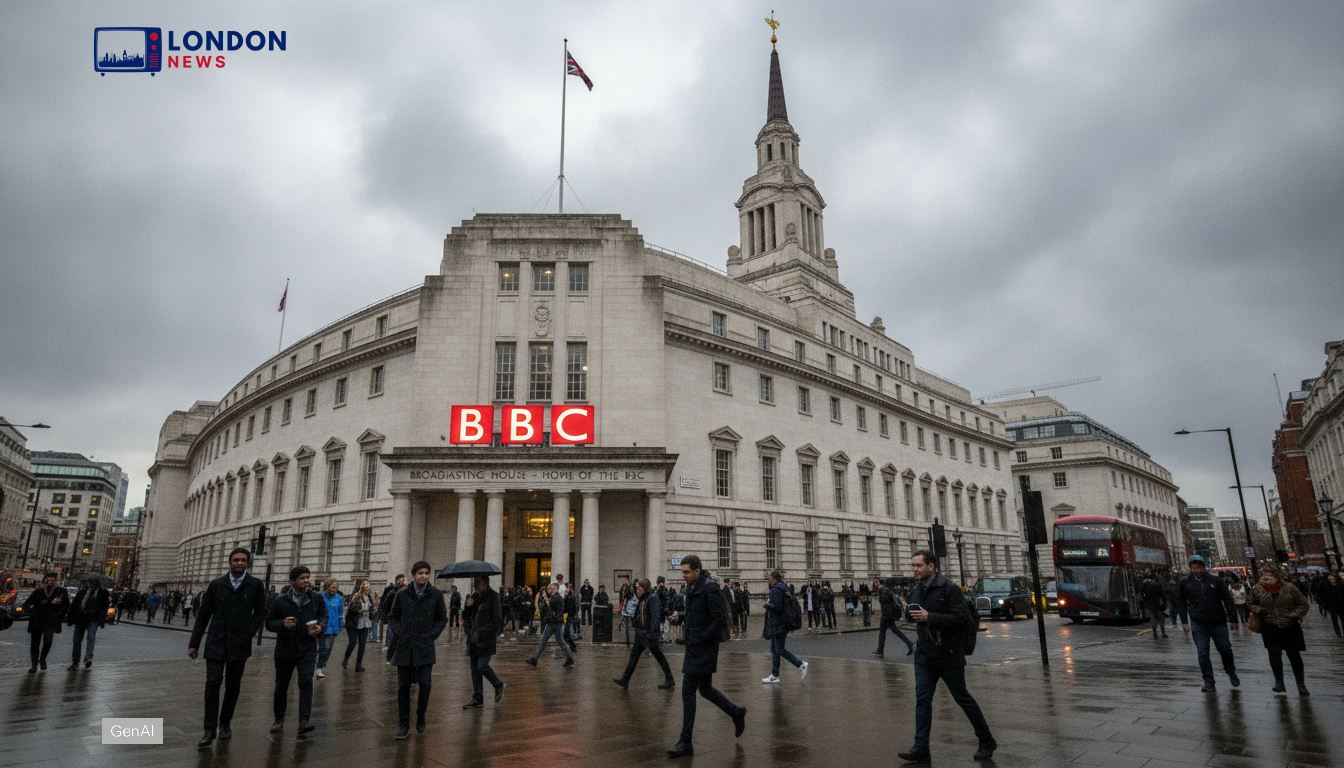
BBC Director General Calls TV Licence Fee Outdated
The BBC director general has raised eyebrows, as indicated by the available reports, by saying the TV licence fee is out of step with modern viewing habits. More people are shifting from scheduled TV to on-demand and app-based services. The remarks, according to reports, suggest a structural funding issue rather than a simple tweak. While no new fee structure was outlined, the comments reopen the debate on what the BBC should offer and how it should be funded. With the next charter period looming, there’s increased pressure on ministers to clarify the future direction.
Pressures on BBC Operations
According to reports on the matter, BBC executives have highlighted the need for predictable income to support UK-wide services, possibly pointing to challenges when viewers choose other platforms. This mirrors wider policy debates about fairness and enforcement, reflecting on issues like EU passenger rights, where consumer expectations take centre stage. The BBC’s competition with rapidly scaling streaming giants adds to the challenge.
Public and Political Reaction
Reports indicate mixed reactions, with some licence fee payers resenting the compulsory charge while others back national service. The director general’s comments are seen as either much-needed reform or a risk to universality. The debate ties into wider political discussions, as reflected in political finance rows and ongoing scrutiny of the BBC’s government relationship.
Exploring Alternatives for BBC Funding
Analysts suggest, through reports, examining the licence fee debate with an eye on streaming rivals and the notion of paying for content as it’s consumed. The director general’s thoughts may align with ideas for mixed revenue models – subscriptions or public grants – each with their own pros and cons for independence and accountability. Consumer protection issues, especially regarding household payments, can become political flashpoints, as seen in recent product safety concerns.
Potential TV Licence Fee Reforms
Several reform paths are under discussion according to industry commentary, like redefining who pays or what the charge covers. Changes need to address collection and exemptions clearly, and whether they’ll result in a two-tier BBC with some services behind a paywall. Cost pressures, akin to rising insurance premiums, are likely to influence decisions. While no single solution has been proposed by the director general in the cited reports, the call for structural reform seems clear.