Tech
Apple price increase nears 20% as costs keep climbing
Apple price increase could near 20% on select devices, reshaping upgrade plans, carrier deals, and rival pricing strategies across key UK markets in 2026.

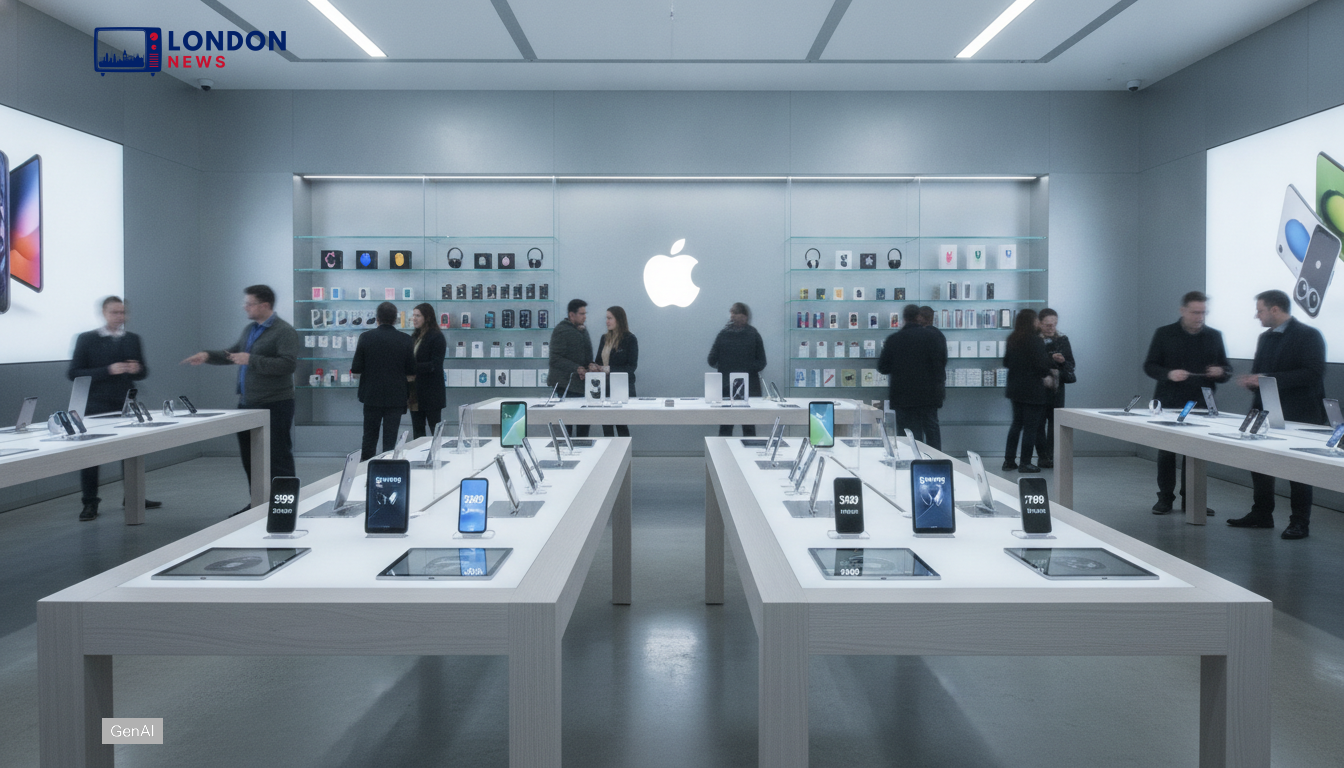
Apple price increase driven by higher costs
According to available reports, an Apple price increase may approach 20% on some devices and services in several markets, including the UK, based on analyst commentary and retailer pricing patterns rather than a single official schedule. Observers who track bills of materials have pointed to pressure in memory, camera modules, and premium displays, while logistics rates are still described by industry watchers as higher than pre-2020 norms. Apple has not issued a single global price list, but UK shoppers may notice higher list prices, fewer official discounts, and less separation between older and current-generation models. In practice, changes are often most visible in storage upgrades, monthly instalment quotes, and slimmer launch-period promotions at major retailers.
Where prices are rising across Mac, iPad, and iPhone
Across product lines, increases appear uneven by configuration, which can make comparisons harder for buyers. Entry models can be steadier, while popular storage tiers and higher-end screens are often where larger jumps are reported, lifting the effective cost of a typical basket. A category breakdown is detailed in Apple price increase: MacBook and iPad jump 20% now, which outlines where the steepest moves are concentrated, and UK retail partners have also adjusted instalment plans in response to higher wholesale pricing. Meaning the same device may look materially pricier once interest-free windows and trade-in values are applied.
How higher Apple pricing affects UK buyers
For consumers, higher Apple pricing can change upgrade timing, especially for households choosing between a new phone and a laptop in the same year. Carriers and big-box retailers are leaning harder on longer contracts, tighter upgrade windows, and trade-in credits that reduce the upfront hit but may raise the total paid over time. Cost pressure is not unique to Apple, and wider UK spending strain is also reflected in other coverage such as UK heatwave June 2026: Somerset hit by hot nights, where higher seasonal costs can alter household priorities. The result can be a larger gap between the advertised starting price and the configuration many people actually want, particularly once storage and warranty add-ons are included.
Competitors, subscriptions, and knock on pricing
Rivals and platform partners often respond to Apple’s pricing moves by protecting their own pricing ladders while trying to look consumer-friendly. In services, higher monthly fees are sometimes positioned as better value through bundles, though consumers still compare standalone options and may rotate subscriptions more often. Retailers are adapting with shorter promotional windows and targeted discounts on older stock rather than fresh launches, which helps clear inventory without cutting headline prices. Meanwhile, rising energy and infrastructure costs are frequently cited in broader discussions about cost pass-through in tech supply chains, including reporting on grid pricing pressures via https://techcrunch.com/2026/06/25/a16z-backed-base-power-is-offering-cheaper-electricity-to-the-power-grid-that-needs-it-most/, on 25 June 2026.
What comes next and how buyers can respond
Looking ahead, an Apple price increase may raise expectations for clear, tangible feature upgrades because buyers will compare pricing across phones, tablets, and laptops more sharply than before. Analysts often note that when premium device prices climb, demand can shift toward refurbished units, last-year models, and carrier-financed bundles where monthly payments can mask a higher list price. Accessory makers and retailers may also adjust to longer replacement cycles, prioritising higher-margin add-ons and extended warranties over volume. Apple appears to be betting that loyal customers accept higher prices if reliability, resale value, and long-term software support remain strong, though sustained economic pressure in 2026 could still widen the pool of shoppers who delay upgrades.