Sports
English FA withdrawal jolts Infantino support at Fifa
English FA withdrawal from supporting Gianni Infantino signals shifting voting alliances at Fifa and raises fresh pressure on his leadership bid now.

English FA withdrawal from Infantino support explained
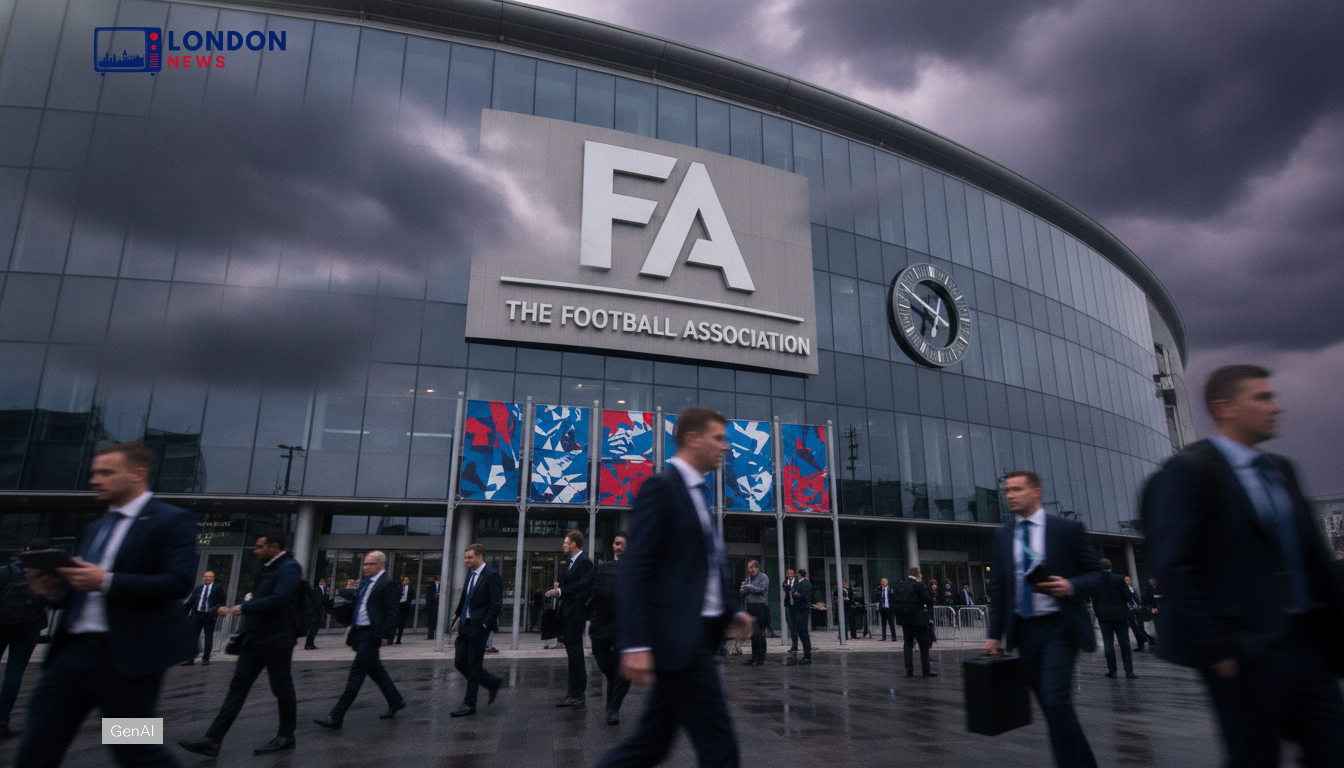
The Football Association appears to be beginning the process of stepping back from its previous public support for Gianni Infantino, hinting at what officials have described in stakeholder conversations as a more guarded stance inside Fifa. In discussions with stakeholders, the English FA withdrawal has been framed by those in the know as a governance decision rather than a personal dispute, with officials stressing process and transparency. The change follows weeks of wider scrutiny of decision-making and commercial planning tied to international calendars, as described in media reporting. The FA has indicated in briefings, as some aware of them suggest, that its position will be driven by formal council procedures and voting mandates rather than informal lobbying. If the shift is confirmed in formal statements, England could be one of the influential federations to publicly reconsider alignment with the current leadership.
The source for this shift, according to The FA’s position, is the ongoing scrutiny of decision-making and commercial planning connected to international calendars.
Impact on Infantino’s presidential campaign
For Infantino, losing visible backing from England might weaken the impression of broad European unity behind his agenda as election season approaches, analysts and observers of football governance have suggested. ESPN detailed the wider dispute involving UEFA and potential legal pressure on Infantino linked to World Cup related commercial plans in UEFA legal action warning coverage, and the English FA withdrawal is also likely to increase attention on how federations weigh governance priorities against continuity, particularly after contentious debates among continental confederations, as indicated by the football press. That context matters because England is often portrayed as a bellwether in Football Association diplomacy. The FA is expected, according to reporting and industry expectation rather than an official timetable, to brief domestic clubs and leagues to keep its voting stance consistent across the English game. Analysts in London have also pointed to how rapidly the story moved through the English football ecosystem within days of the initial reports.
What changes inside the Fifa Council
Inside Zurich, the immediate effect may be less about a single ballot and more about coalition math on the Fifa Council and within regional blocs, suggest governance watchers. This English FA withdrawal could alter how other federations assess the political cost of breaking ranks, because England is widely seen as capable of mobilising support through bilateral relationships and technical cooperation programmes, though the scale of any shift is uncertain. This kind of governance signal is comparable to how institutions shift course under pressure in other beats covered by AI Rogue Bots Put AI Firms Under Pressure Now and UK rates held as Iran conflict risks cloud outlook. The FA has suggested it will judge leadership decisions against measurable standards, according to those close to its internal messaging, including consultation, conflict of interest safeguards, and clarity on commercial mandates.
Historical context of FA and Fifa relations
The current rift finds itself in a historical narrative where England has used its institutional weight to push for reform when it perceives global governance as drifting, as reflected in past public debates around football administration. While the FA has at times preferred quiet diplomacy, it has also taken public positions during previous disputes over ethics enforcement and tournament structures, as seen in historical reporting. Readers tracking governance narratives may recognise similar institutional framing in Fórum para a Competitividade keeps Portugal view, and in this episode, the Football Association has emphasised in its messaging that its concerns relate to decision-making processes and the balance of power between confederations and the central administration, as told by those familiar with its stance. The FA is expected, based on how similar disputes have been handled, to document its position carefully to reduce claims of inconsistency with earlier endorsements.
Reaction across football and next steps
Reactions across the sport have focused on whether the English FA withdrawal opens space for other national associations to speak more plainly about Fifa leadership, or whether the move is contained as largely symbolic, according to commentary in European football circles. Several administrators in Europe have cited the need for clearer governance benchmarks, according to media reports, while some outside Europe have stressed continuity and programme funding as core priorities in public remarks. ESPN’s coverage of the wider Infantino dispute has kept the story prominent among fans and stakeholders who follow institutional politics as closely as match results. The debate has also reached club executives who want predictable international calendars and more transparent commercial decisions, according to industry sources. The next phase is likely to be defined by formal statements, council votes, and the willingness of federations to attach their names to specific governance demands.