Fashion
Burberry wraps up London Fashion Week 2026 with checks
Burberry closed London Fashion Week 2026 with a check-led finale, sharp tailoring, and a celebrity front row, indicating the season’s commercial mood going forward.

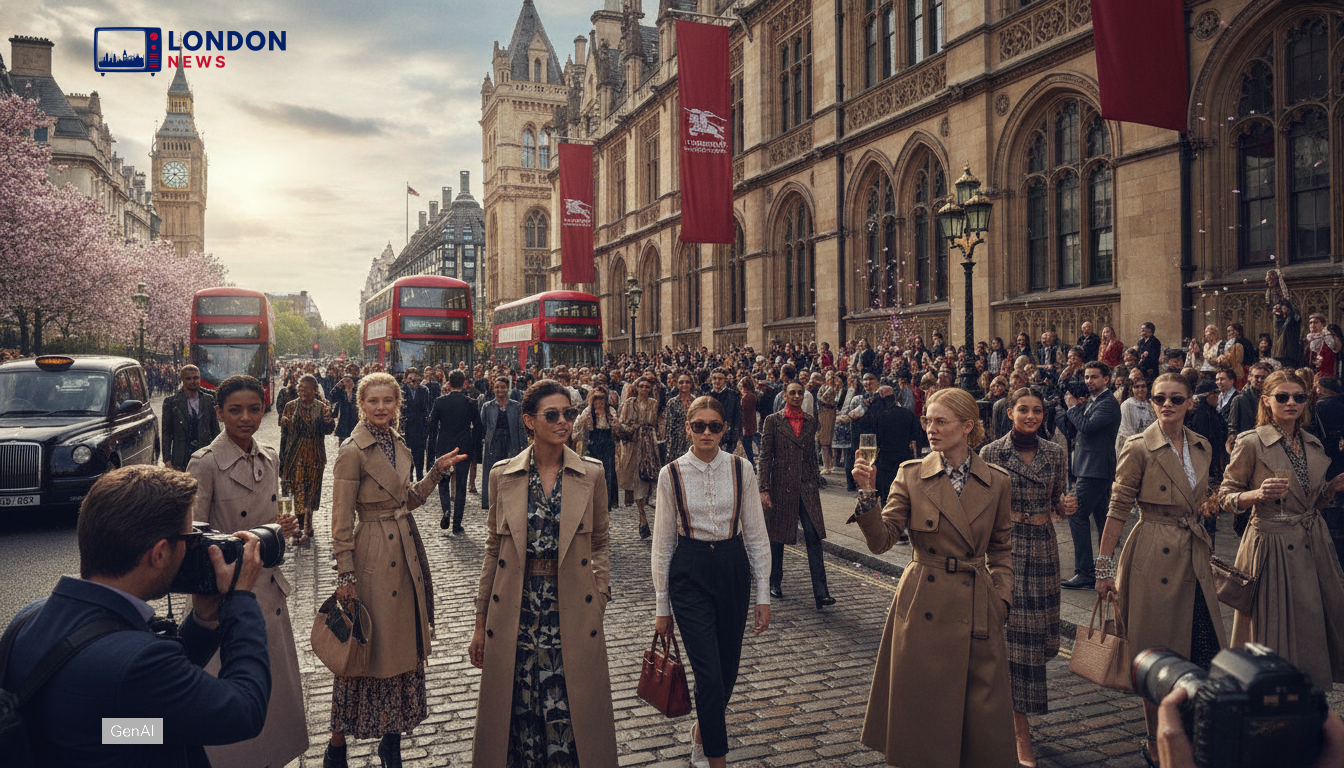
London Fashion Week 2026 finale: Burberry closes in checks
Burberry wrapped up the week with a tightly edited show designed to appear decisive rather than nostalgic. The final major runway moment saw the house push its check across coats, scarves, and accessories that served both as branding and wardrobe staples. Available reports hint that Celia Birtwell’s contribution softened the collection’s mood without altering core brand codes as London Fashion Week 2026 came to a close. Reviews seemed to focus on craft and finish over spectacle, with fabrics and proportions taking centre stage. The closing looks were presented as practical, leaning into outerwear crafted for London streets, not only for cameras.
Key trends from the runway: tailoring and restraint
The collection sketched out a clear playbook for the season by placing texture and utility on equal footing. Checks featured as scaled motifs and subtle linings, while clean tailoring kept silhouettes in check. Reports describe a business landscape of changing consumer confidence. The Guardian’s take on the event spotlighted the balance of pattern, restraint, and wearability, with trend signals delivered through cut rather than theatrical styling. Observers suggested that London Fashion Week 2026 focused less on novelty and more on refinement, featuring coats and knit layers engineered for movement.
Craft, sourcing, and why luxury is watching London
Beyond the surface patterns, buyers viewed the show through a supply chain lens. In 2026, brands are increasingly judged on credible sourcing as well as design. The Guardian’s insights on Indian workmanship supported why traceable craft has become vital to luxury branding. For Burberry, the check is both an asset and a liability. The styling appeared intentional to avoid costume-like appearances by anchoring it to disciplined construction. London’s broader retail environment was a talking point at the venue, with discussions about policy possibly impacting tourist spending. Industry figures pointed to tax-free shopping UK return for visitors as a possible lever influencing how luxury brands approach stock and events.
Celebrity front row and the business of visibility
The front row was reportedly packed with actors, musicians, and fashion regulars, amplifying how the brand wants its signature pieces photographed. According to show-day reports, editors compared the atmosphere to London Fashion Week 2025, noting the crowd felt more purposeful and less performative. The seating arrangement was also seen as a signal to cultural calendars beyond fashion, with discussions turning to autumn red-carpet events where outerwear can dominate street pictures. Still, the show kept its focus on clothes over cameos, relying on proportion and finish to narrate the final word for international buyers.
What London Fashion Week 2026 means for the season ahead
Closing the schedule positioned Burberry as a predictor for how British fashion can remain commercial without losing edge, or so some commentators interpreted. The reliance on outerwear, pattern, and heritage craft stayed intact. However, the presentation aimed to demonstrate a discipline that could translate across markets. For London Fashion Week 2026, discipline was the key theme: coherence over noise, checks used with restraint, and a clearer vision of what could sell. London’s ecosystem is also noted as shifting toward stronger production support and clearer pathways for emerging talent, with backstage staffing under scrutiny as venue and security demands increase. The immediate takeaway, based on available coverage, suggests that London can cap off its week with authority when its most notable names commit to focusing on the clothes.