Politics
UK Budget 2026: Healey plan on bills and bank tax
UK Budget 2026 sets out Healey’s plans on energy bill support, bank tax changes, fiscal rules and next steps in Parliament and scrutiny.

UK Budget 2026: What Healey set out in Parliament
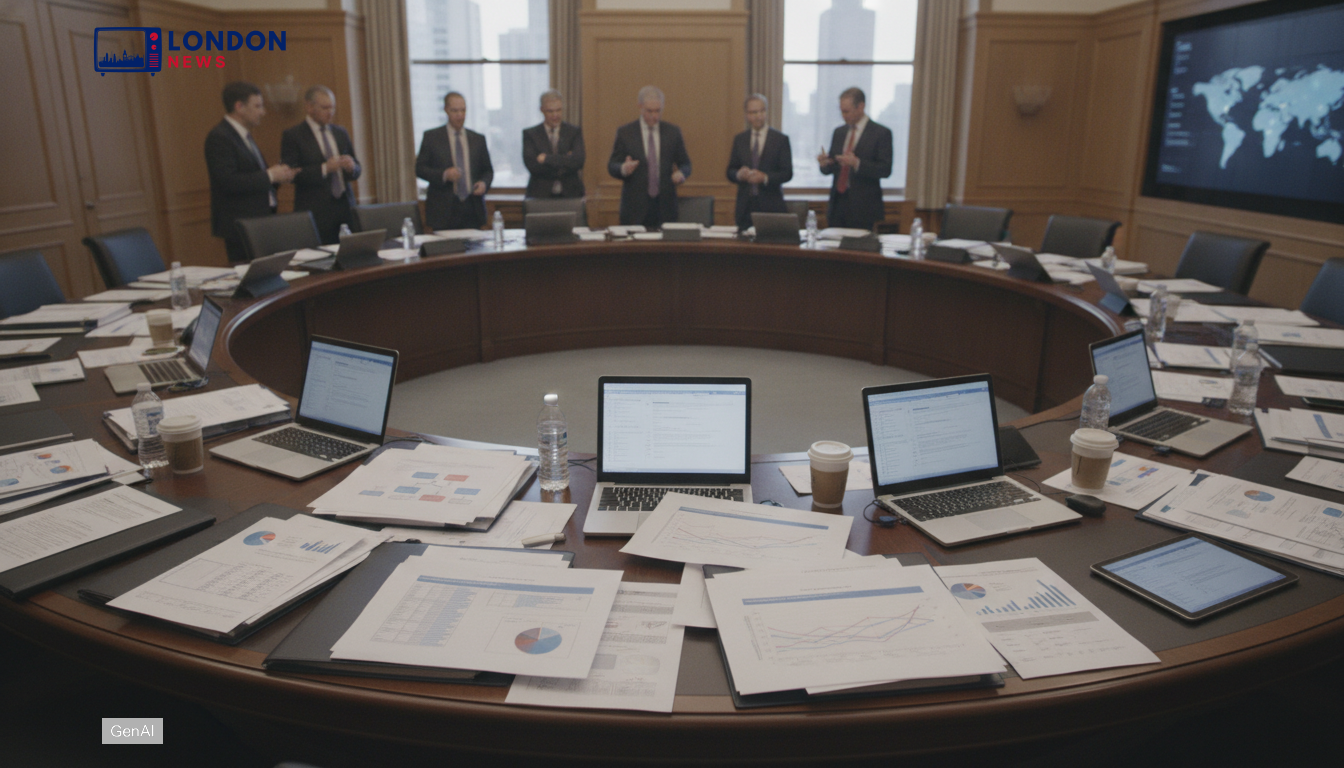
UK Budget 2026 was presented by Chancellor Rachel Healey as a first, tightly scoped fiscal package aimed at reducing immediate household pressure while protecting the public finances, according to statements made in the House of Commons. Ministers described the statement as an Autumn Budget for 2026 and said the measures are intended to be deliverable quickly through existing systems rather than complex new schemes. Healey tried to frame the package around credibility with markets, distributional fairness, and a limited set of headline decisions that can be tracked over the fiscal year, as set out in parliamentary remarks. She pointed to parliamentary scrutiny and official scorekeeping as key tests of whether the package is doing more than signalling intent, as MPs press for clarity on winners, losers, and timelines.
Key measures and context: bills support, bank levy and debate
The package centred on household bill support and a revenue-raising change for banks, with supporting material summarised by the Commons Library, according to MPs and published parliamentary documentation. Parliamentary scheduling around the week of the statement has also been part of the public record, including the Budget Statement Wednesday 28 October – UK Parliament. In the Commons, the Treasury argued that keeping the menu short makes implementation and verification simpler, according to ministers’ comments, while opponents argued that narrow choices may miss the scale of cost pressures. For market context, MPs also referenced volatility in risk assets, and the debate has overlapped with wider coverage such as XRP ETF inflow streak ends as crypto outflows rise, as MPs framed the wider backdrop to the statement.
Energy bill support: eligibility and delivery
The headline household measure was described in parliamentary material as a £100 payment linked to energy bills, presented as targeted support rather than a broad subsidy, according to ministers. Ministers said eligibility would be set out through established channels to reduce delays, with delivery expected to use existing administrative routes where possible. Critics questioned whether a one-off payment risks creating a cliff edge if bills remain elevated, and asked for clearer publication of take-up expectations and how errors will be handled, according to comments in the Commons. During the debate, MPs pointed to related cost pressures, including pay and employment decisions that shape disposable income, and coverage such as UK minimum wage increase in Budget as youth lag. The Treasury response, as presented in Parliament, was that the approach prioritises speed and targeting over open-ended support.
Bank tax changes: revenue, lending and fairness
UK Budget 2026 also included a bank tax change presented by ministers as a straightforward revenue measure that can be implemented through existing reporting. The Treasury position, as stated in debate, was that compliance and assessment can be monitored with standard audit tools and official scorecard methods, aiming to reduce uncertainty about how much money is raised. Industry critics warned that higher effective tax burdens can affect lending appetite and pricing, and opposition MPs pressed for detail on behavioural assumptions, according to the Commons discussion. For readers tracking other Budget-related measures, see UK Budget: Healey targets income tax help for pensioners, as MPs compared the bank levy to other decisions discussed at the dispatch box. The argument, as set out by both sides, is whether any revenue gain outweighs a potential tightening in credit conditions.
Public Reaction and Next Steps
Public response remains mixed, with some appreciating the targeted support while others believe it falls short of addressing broader economic pressures. Attention now turns to implementation and verification, with committees and analysts expected to use the Commons Library as a baseline for scrutiny of delivery, distributional outcomes, and whether projected revenues materialise, according to parliamentary procedure and commentary around the statement. A key reference point is Autumn Budget 2026: A summary – The House of Commons Library, which MPs cited during debate as the neutral account of what the package contains. The political test will be whether the bill support reaches intended recipients on time and whether the bank tax raises the sums implied in official scoring, as ministers and opposition figures framed it. Healey signalled in Parliament that she wants measures that can be defended at the dispatch box and tracked in later statements, limiting policy churn. If outcomes disappoint, analysts expect pressure could build for follow-up announcements rather than waiting for the next fiscal event.