Entertainment
BBC channel closures: BBC Three, Scotland, Extra
BBC channel closures could reshape how audiences find BBC Three, BBC Scotland and Radio 4 Extra, as the broadcaster weighs savings and a wider shift to streaming-first output.

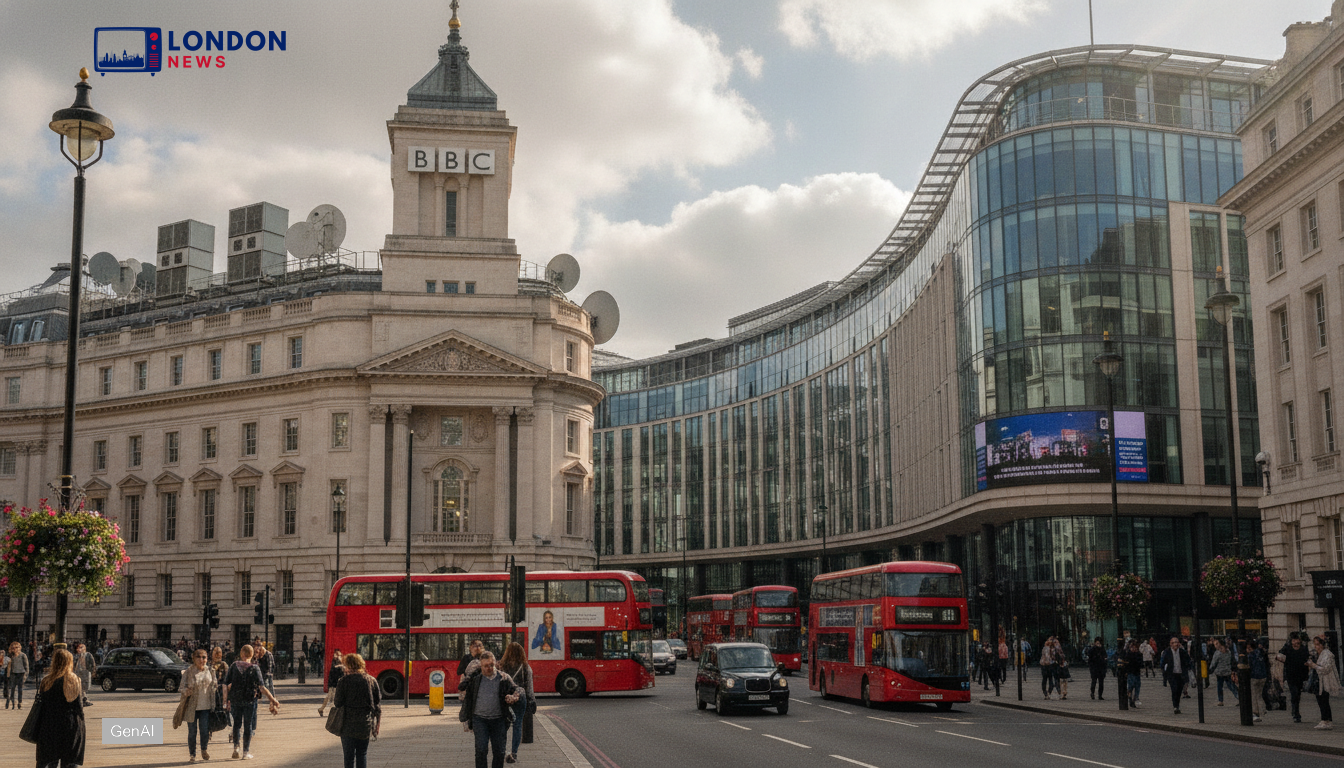
BBC channel closures: BBC to shut BBC Three, Scotland and Extra
BBC channel closures could change how audiences find BBC Three, BBC Scotland and Radio 4 Extra. The corporation is considering reducing some linear services and leaning further into iPlayer and digital audio. According to BBC sources, this sort of move is seen as a push towards online distribution. They aim to keep programme availability across platforms, not end it altogether. Timelines and savings aren’t set in stone yet and should be considered speculative until officially announced.
What changes for viewers and regional programming
The immediate jolt for viewers might be losing familiar channel destinations. Some programmes should still be around elsewhere. BBC Scotland offers regional news, factual series and repeats. Changes could spark questions about commissioning prominence and discoverability on iPlayer. The Guardian covered related concerns about connected screens in their smart TV privacy report. Although the BBC hasn’t linked this debate to their decision, households sticking to terrestrial schedules might struggle more. Changes to these channels are bound to spark scrutiny on how well audiences are directed to replacements.
Costs and possible future moves
BBC Three is no stranger to jumps between online and linear delivery. Any further shift would hint at the ongoing direction. The BBC suggests that parallel running of both linear and digital channels is costly. It fragments the audience. A similar digital consolidation was discussed in NFT Marketplace Shutdown, where financial realities pushed for a streamlining. Inside the BBC, Radio 4 Extra’s future is also part of the narrative. The broadcaster aims to keep archive and comedy content available through other means. These closures might impact how producers plan, depending on the commissioning and promotional strategies.
Audience and analyst reactions
Folks might be divided on these closures. Some might see them as a modern step forward, others might worry about losing universal access. The transition’s implementation pace could sway opinions. While some analysts still see broadcast channels as critical for discovery, others think iPlayer, social platforms, and smart speakers could handle promotion more cheaply. Public spending debates in the UK, like the one discussed in Capital Gains Tax, often mesh with household budget issues. Any assessment will not only focus on potential savings but also on whether audiences will follow programmes to digital spaces.
Future of broadcasting with BBC closures
These plans suggest the BBC thinks iPlayer, online news, and digital audio will take on more of their public service mission, according to various strategy updates. This might affect UK audiences accessing BBC Three, Scotland, and Radio 4 Extra through Freeview, apps, and more. The approach could expand choice for those using phones and smart TVs but raises questions for those without good broadband. The BBC’s public purposes are to inform, educate, and entertain. Even if linear is cut back, the marketing might focus on fewer brands. Streamlining might reduce overlap, but critics say niche content might vanish without dedicated channels. In the end, changes to these services will likely be judged on reach and if unique voices remain accessible across the UK.