Entertainment
British Museum Bayeux Tapestry Photography Ban Update
British Museum Bayeux Tapestry photography ban update outlines the latest visitor guidance, how it is communicated in the gallery, reactions, and viewing alternatives in London.

British Museum Bayeux Tapestry Photography Ban: What Changed
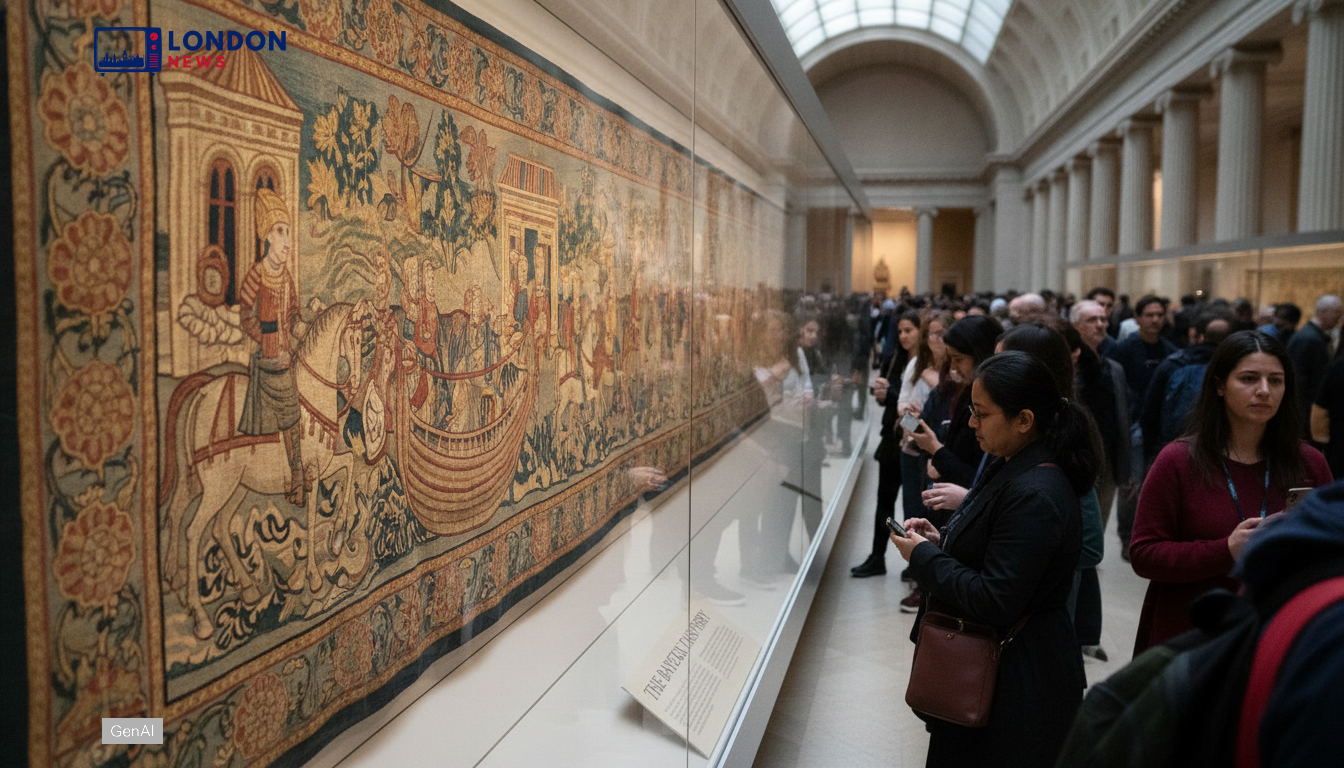
Visitors to the British Museum report being asked not to take photos in the specific gallery where the work is shown, with attendants reminding people to keep phone cameras down. The restriction appears to be presented as a targeted rule for this display rather than a building-wide change, and visitors also report seeing signage at the entrance setting expectations before people join the queue. According to visitor accounts, the stated aim is to improve visitor flow, reduce clustering at the case, and protect sightlines for everyone. Although many phones default to no flash, staff are said to treat photography as a factor that can add congestion and distraction around a fragile textile. This guidance applies while the Bayeux Tapestry display remains on view in London.
Why the Ban Was Enforced and How It Is Policed
According to those accounts, visitors say they are told at entry that camera phones must stay down while attendants monitor the display. Where the rationale has been explained on the floor, it has been framed as a practical measure to manage visitor flow and reduce distractions around a delicate work, rather than a broader shift in policy across the building. In the middle of the room, the British Museum Bayeux Tapestry photography ban is described by visitors as being reinforced by clearer signage and more frequent reminders. The museum has not been quoted directly here, so any reference to what it “said” should be read as what visitors report they were told by staff. Some attendants are also reported to mention flashes as a concern, even though many devices default to no flash in gallery settings.
What the Bayeux Tapestry Is and Why It Draws Crowds
The object on display is widely described as a rare narrative textile with an outsized place in popular memory, which can create a predictable rush for photos. In explanations relayed to visitors, staff have reportedly pointed to conservation norms used for light-sensitive works and stressed that limits on museum photography are not unusual for textiles and manuscripts. For another perspective on how policies are shaped by wider public pressures, see EU budget agreement: Portugal and Ireland seek deal. For context on how cultural institutions explain access decisions to audiences, readers can compare similar audience management debates in arts coverage such as The Guardian interview with Salman Toor.
Visitor Reactions and What You Can Do Instead
Reaction in the queue has reportedly been mixed, with some visitors accepting the change as a trade for clearer viewing and others frustrated by losing a personal record of the visit. Visitors say staff have been asked to explain the difference between taking photos and using gift shop postcard options, and attendants are reported to reiterate that the rule applies specifically to the featured display. For a broader sense of how London venues manage demand, see Johnny Marr guitar auction nears £4m landmark sale. Midway through the room, the British Museum’s no-photo rule for this Bayeux Tapestry viewing has become a talking point about how institutions balance public access with stewardship, based on visitor comments. Some visitors said they would rather spend time reading the captions than framing a shot, while others argued that museum photography helps families share culture with relatives who cannot travel.
What the Ban Could Mean for Future Museum Visits
Museums are increasingly judging visitor rules by how they affect crowd density, staff workload, and the pace at which people move through a space, according to common industry practice. For related UK policy pressure on public institutions, see UK Budget 2026: Andy Burnham faces hard tests ahead. Within the British Museum, the immediate test will likely be whether the restriction reduces bottlenecks and improves the viewing experience without provoking repeated confrontations at the entrance, based on how similar controls are typically used in busy galleries. If the measure is considered effective, similar targeted limits could appear for other high-demand objects, while still allowing photography in many galleries where conservation and congestion risks are lower. Visitors also report being steered toward official images and interpretation panels so the public can still study details without slowing the line.