Politics
Burnham floats UK EU referendum on free movement
Andy Burnham raises a UK EU referendum on EU free movement, outlining a narrow ballot, parliamentary steps, and the likely political trade offs ahead.

UK EU referendum returns to Labour’s Europe debate
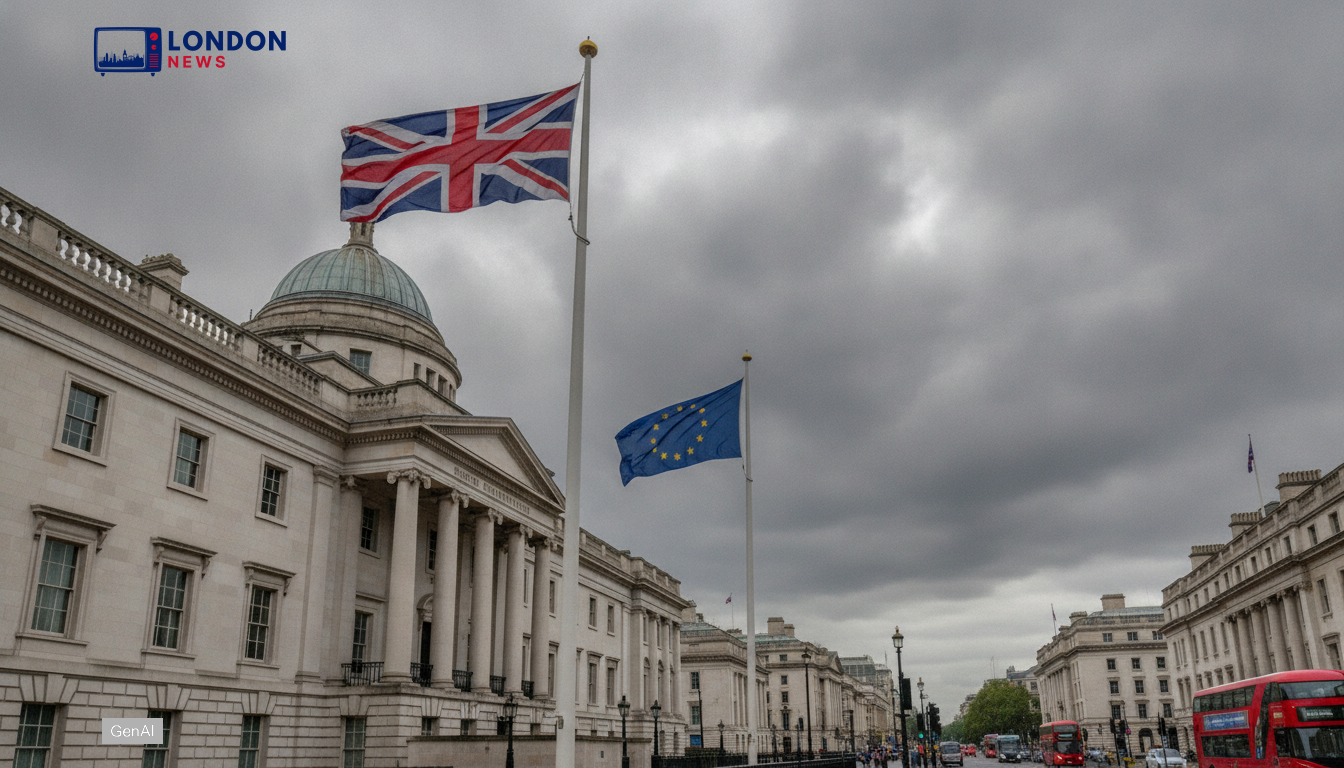
Westminster’s abuzz again with talk of a UK EU referendum, thanks to Andy Burnham suggesting the government shouldn’t dismiss a public vote on EU free movement rules. As reported by Reuters, he emphasised that reshaping migration policy needs democratic consent, and voters ought to have their say. Reports note Downing Street, keeping up its pragmatic Europe stance, insists the UK won’t rejoin the single market or customs union. Burnham’s idea, as Reuters notes, isn’t about reliving the 2016 drama but could raise new questions about ministerial boundaries on European matters.
How a UK EU referendum on free movement could look
Burnham, highlighted in Reuters, proposes a narrow ballot to address simmering disputes inside Westminster and across England’s mayoral regions. Such a referendum would need legislation, a specific question, and parliamentary agreement on timing—classic UK-wide vote protocol. The next steps hinge on ministerial and MP decisions. For insights into the official formats used to authorise and record policies, readers might check out the House of Commons Written Statement HCWS409. Meanwhile, other single-issue debates, like the Bitcoin ETF: BlackRock Plan Offers BTC-Style Exposure, demonstrate how quickly topics can vie for legislative time.
The pre-2016 EU free movement setup
Burnham’s harking back to the days when EU free movement was the norm, exploring what could be revisited in any future UK-EU deals. Before Brexit, these rights were embedded in EU treaties, making unilateral caps by the UK governments a no-go. Burnham, through Reuters, highlights the 2016 referendum’s lesson: big promises can crumble if they’re legally and practically unviable. His current proposal is more about seeking targeted acceptance than reopening the EU membership debate. For nuance on labour market pressures influencing migration politics, see UK Jobless Rate Dips as Small Firms Slow Hiring.
Mixed Political Reactions to the referendum idea
Political echoes are varied, as Reuters describes Westminster’s responses: some Tories see Burnham’s pitch as Labour tiptoeing back into turbulent European waters, while some Labour voices advise against reigniting internal divides. Burnham’s allies, according to Reuters, believe a clear proposition could make campaigners confront trade-offs up front. Ministers maintain their hardline EU policy stance, with no endorsements for a referendum, as Reuters highlights. Trade unions and business voices focus on practical elements like staffing and mobility, though opinions span sectors. For a taste of political pressure from technical disruptions, see Google cloud outage hits UK banks and top websites.
What a vote could mean for UK-EU discussions
If Burnham’s proposal gains steam, it might push the government to clarify its Brussels strategy and potential compromises, although that depends on ministerial choices and parliamentary arithmetic. Movement rule votes might spill over into issues of market access and enforcement, as these areas often intertwine across EU accords, analysis suggests. Burnham argues, Reuters notes, that specifics help councils, employers, and services plan, while critics worry—also noted by Reuters—that another public vote could rattle policymaking amid economic challenges. Typically, any move begins with consultation and Commons votes, with the government sorting out the order. Politically, some fear it’s a veiled Brexit repeat, while backers see it as laser-focused on EU free movement.