Politics
Capital gains tax 2026: Chancellor rejects rise calls
Capital gains tax 2026 planning: Chancellor rejects CGT rise calls, as ministers signal no hike in the next Budget and debate shifts to reliefs.

Capital gains tax 2026: what the Budget signals
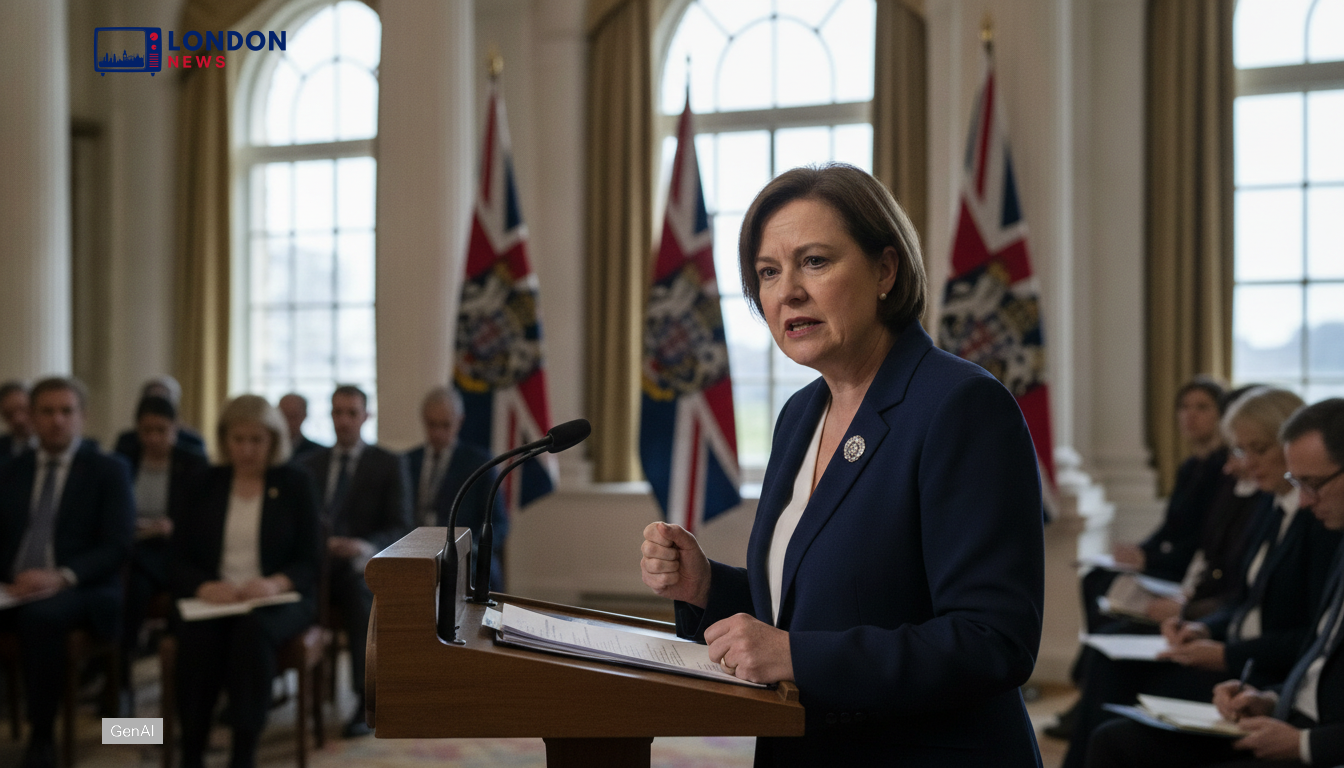
For planning, the Chancellor has been reported to use broadcast interviews to push back on renewed calls for a rise in the next Budget, framing the stance as a stability signal for investors and entrepreneurs. That position matters because many advisers treat 2026 as a plausible window for reform after the current Budget cycle, though any timeline remains uncertain. Ministers have not, so far, published a timetable for changes to Capital Gains Tax or set out alternative revenue measures in public statements, and the focus has kept capital gains tax 2026 in view for advisers tracking potential reform. Opposition MPs have said the lack of detail leaves unanswered questions on fairness and on whether reliefs and thresholds could change ahead of 2026. The Treasury’s standard line, as typically stated in Budget periods, is that decisions on rates are made through the Budget process, with announcements reserved for Parliament.
Labour and capital gains tax 2026 alignment arguments
Labour figures have intensified their case that tax on gains should move closer to tax on earnings, presenting it as an equity issue, according to comments reported in political coverage. Several voices have tied the debate to andy burnham capital gains tax remarks in regional interviews, with supporters arguing that the system can favour unearned income. A related governance debate has also been mirrored in other rule changes affecting investors, including EU MiCA Rules Reshape NFT Regulation for Markets, as lawmakers weigh how frameworks shape behaviour. Labour has not published a specific Budget line item with dates or rate bands for capital gains tax 2026, but spokespeople have said alignment remains under consideration.
Who could feel changes first in capital gains tax 2026
If rates were to remain unchanged, that would generally benefit households realising larger gains on shares, property portfolios, and private business stakes, where liability is triggered on disposal. Some Labour MPs have suggested that any future capital gains tax uk package could protect smaller investors while focusing on higher-value disposals, though they have not named a threshold or confirmed an implementation year. Ministers and officials often argue that sudden shifts can change behaviour in ways that depress receipts, and this claim is typically made in fiscal debates rather than as a settled forecast. In London, this can be politically sensitive because gains from property and financial assets are widely seen as concentrated in the capital, where areas such as Canary Wharf and the City of London are frequently cited in commentary about wealth. Separately, the distributional impact of penalties has featured in Antisocial Behaviour Fines: £100 for Loud Music Travel, highlighting how policy choices land with voters.
Economic warnings and tax system trade-offs
Critics of a rise contend that higher CGT rates could discourage risk taking, lock in assets, and reduce transactions, particularly for founders weighing an exit or reinvestment, though the scale of any effect is debated. Supporters counter that the current structure can incentivise income to be taken as gains, and they point to long-running arguments over arbitrage between labour and capital. Beyond tax, Parliament continues to receive petitions on economic effects, including Suspend Climate Change Act targets & undertake a full national impact assessment – UK Parliament. In recent debate coverage, references have included the UK Parliament petition process and committee scrutiny sessions in Westminster as examples of how economic trade-offs are aired publicly. Ministers argue that confidence depends on predictable signals and that the Budget should avoid unintended consequences.
Next steps: what to watch for capital gains tax 2026
According to some political observers, it seems that campaigners for a CGT rise might have less leverage as Budget decisions are finalised, while officials keep the option of reform in reserve for later years. Shadow ministers say the next battle may be over narrowing reliefs and exemptions, even if headline rates stay put, which would be a concrete lever for planning. The Chancellor has been described as framing the issue as a binary choice, but scrutiny is likely to focus on who carries the burden if spending plans tighten, with capital gains tax 2026 remaining a live reference point in that argument. Separate pressure points in the labour market, such as UK youth unemployment: PM calls it a moral failure, may also shape future tax arguments. For now, Treasury messaging is generally presented as cautioning against pre-announcing tax-rate decisions outside the Budget cycle, rather than confirming outcomes in advance.