News
Antisocial Behaviour Fines: £100 for Loud Music Travel
Antisocial behaviour fines could hit £100 for loud music on buses and trains, with clearer warnings and signage being proposed.

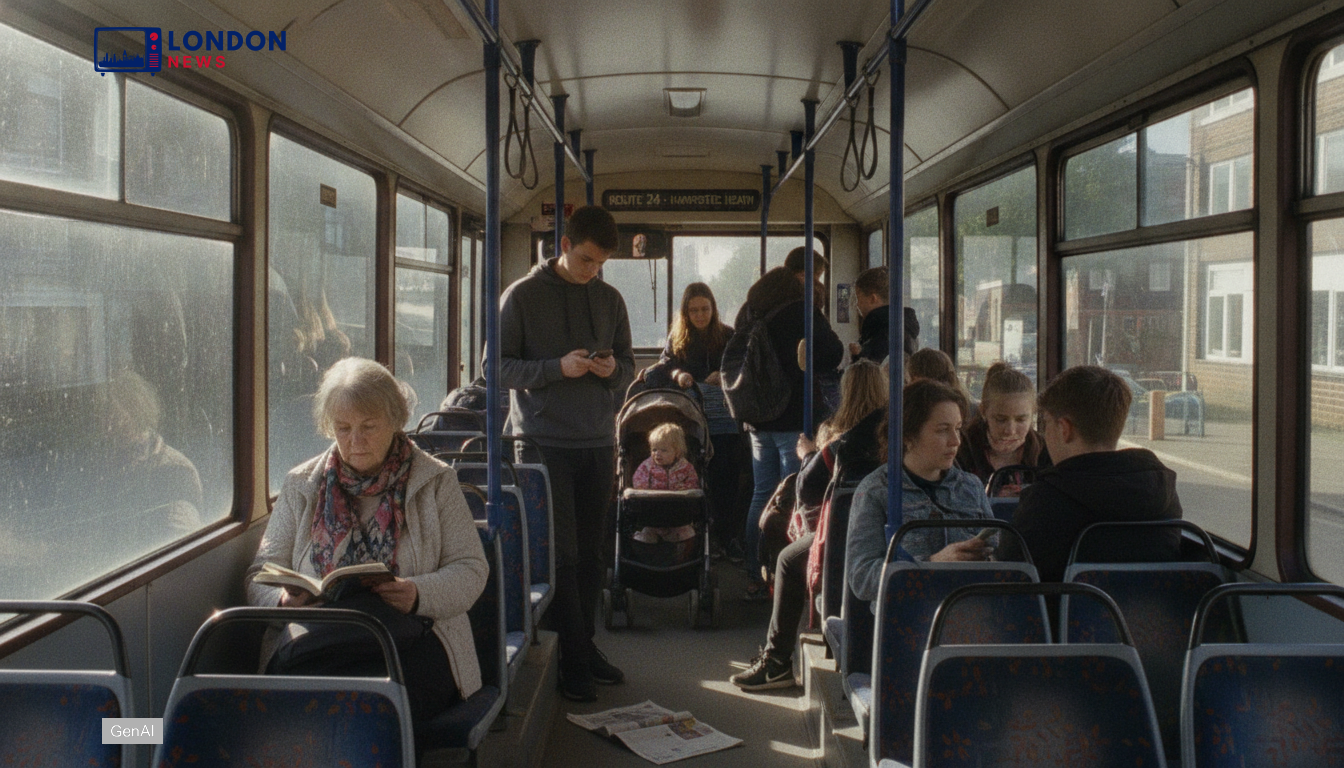
Antisocial Behaviour Fines: Targeting Noisy Public Transport
According to available reports, antisocial behaviour fines are under consideration by several UK transport operators. These measures aim to deter passengers playing loud music through phone speakers and portable devices. Under industry discussions, staff would initially issue a warning and, if the noise continues, could then apply a £100 penalty. Operators suggest this move is a passenger comfort and safety measure designed to reduce complaints and limit confrontations. Briefing papers, supposedly shared with some local authorities in 2026, outline a staged response that includes de-escalation training and clearer onboard expectations. The focus is reportedly on repeated non-compliance, rather than accidental noise from devices.
The Mechanics of £100 Penalties and Antisocial Behaviour Fines
A draft enforcement model allegedly aligns with current carriage conditions: a staff request to lower volume, a formal warning, and, if necessary, a £100 fine. Operators say they would document the warning, noting time and route, and offer an appeal route to ensure consistent decisions, with antisocial behaviour fines acting as a final measure. For more on disclosure and compliance frameworks, some analysts reference EU MiCA Rules. Plans also suggest more notices at stops, making rules clear before boarding, especially about public transport noise. Operators claim that fines for passenger conduct would be used selectively and reviewed for fairness.
Day-to-Day Impact on Passengers and Staff
Staff representatives say a clear set of consequences could change behaviour quickly as passengers realise rules are enforced, though impacts may vary by route. Internal briefings reportedly indicate most incidents would be resolved at the warning stage, reserving formal notices for those who refuse or react aggressively, with a £100 fine as the upper measure. The idea is to provide drivers and conductors with a clear escalation path, including when to seek assistance, while minimising conflict. Discussions on deterrence have featured in UK Safety Measures Under Scrutiny. Operators also intend to track complaint numbers and identify repeat hotspots to evaluate whether antisocial behaviour fines are fair.
Fairness, Accessibility, and Enforcement Consistency
Passenger groups are questioning whether this strategy will be applied consistently across different routes, times, and demographics. Advocates for accessible travel argue that announcements and signage must clearly differentiate between loud music and legitimate accessibility needs, like assisted listening devices or emergency communications. In similar public order debates, the BBC covered related tensions in a BBC News video on political tensions in France. Some operators claim they will engage with disability groups before finalising language, stressing the focus is on deliberate disruption and not accidental sound. Feedback from commuters suggests clearer standards could enhance perceived personal space, even if any bus fine policy is limited.
Future Steps for Trains and Quieter Journeys
Rail operators are reportedly reviewing noise regulations and guidance to synchronise onboard rules with station announcements and online information. This work aims to cover quieter carriage guidelines, clearer complaint channels, and staff procedures that prioritise a request-first approach, as per individuals close to the talks. Related discussions on transport and policy have appeared in UK youth unemployment: PM calls it a moral failure. Some operators are believed to be considering improved signage placement near vestibules, where music travels furthest, alongside straightforward language about what constitutes disruption. Operators argue consistency across bus and rail networks is key, as passengers frequently transfer and expect similar standards, including where antisocial behaviour fines might be applied. The aim, they state, is to reduce complaints and smooth out journeys as these rules are clarified.