News
Chancellor John Healey tested as UK inflation jumps
Chancellor John Healey faces fresh pressure as UK inflation rises after higher energy bills, adding to household strain and influencing market rate expectations.

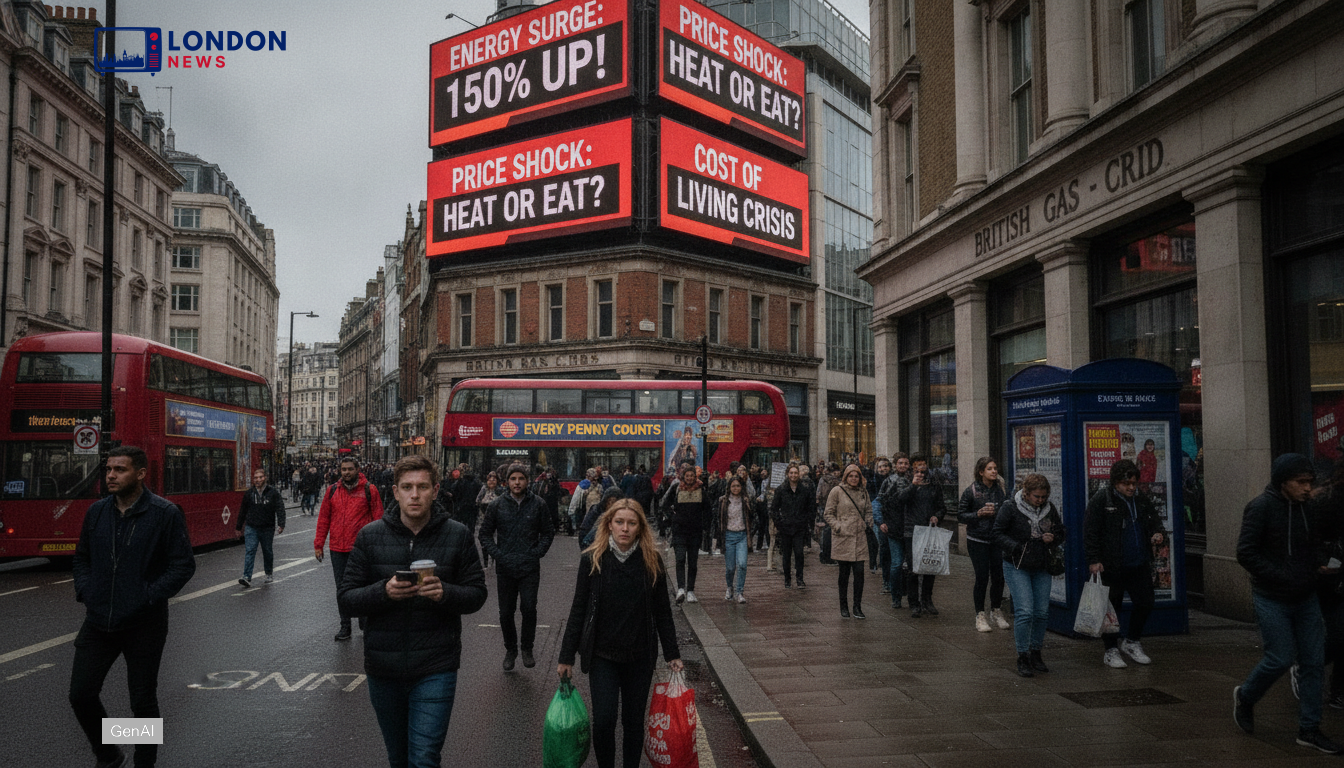
Chancellor John Healey addresses inflation and energy bills
Chancellor John Healey is under renewed scrutiny after a rise in regulated household energy bills contributed to higher UK inflation, according to available reports from the Office for National Statistics (ONS). Speaking to broadcasters, Healey said the government would focus on easing household strain while sticking to fiscal discipline, as reported by UK media. The ONS indicated that inflation rose to its highest level in four months, and Chancellor John Healey said work with regulators and suppliers will aim to strengthen consumer protections and improve billing transparency, reviving debate over whether the recent disinflation trend has stalled. Further policy detail is expected at the next fiscal statement.
Energy bill jump lifts prices and borrowing costs
The latest inflation pulse was linked to regulated household energy costs feeding into a broad range of prices, according to the ONS, with knock-on effects that can tighten conditions for many households. The ONS cited higher energy bills as a key contributor to the monthly change in UK inflation, and analysts say energy-driven cost pressures can also affect some firms’ operating expenses. For context on cross border rate concerns, see European bond yields rise as eurozone rate fears grow, and markets monitor whether shifts in inflation expectations influence Bank of England rate expectations and gilt yields, though the channel is indirect and varies over time, according to economists.
Forecasts for inflation uk 2025 and rate expectations
Forecasters are reassessing the path for inflation uk 2025, focusing on how quickly energy cost pressures fade and whether services prices remain sticky, according to analyst commentary. The chancellor has argued that stability is a precondition for stronger growth, but economists warn that an upside surprise in inflation can delay any move toward easier monetary conditions. The Bank of England sets policy independently and has said it will respond to inflation persistence and wage dynamics rather than political timelines, according to its published communications. Investors will watch upcoming ONS releases for confirmation that the latest rise is temporary rather than broadening.
Household pressure and political response in Parliament
Public frustration appears to be rising as some households receive bills higher than they budgeted for, based on comments from consumer groups and constituency casework cited by MPs in Parliament in London. Consumer groups are calling for clearer communication from suppliers and faster support for vulnerable customers, while regulators face scrutiny over whether pricing structures are easy to understand. The wider resilience debate has also surfaced in emergency response planning, covered in Government defends wildfire phone alert after backlash, as ministers say they are coordinating with watchdogs and local authorities to reduce the risk of disconnections and prevent debt spirals, according to government statements.
What the government can do next to curb price pressures
Policy discussion is narrowing around measures that can reduce price pressures without adding demand, including improving energy efficiency, accelerating grid upgrades, and strengthening competition in retail supply, according to economists and industry observers. For a read on how firms respond to cost shocks, see Au vodka sale talks: £500m Sazerac BuzzBallz deal, and Healey has said long term supply side reforms matter because repeated shocks to household energy bills can spill into wider inflation, based on his recent remarks. Officials are also weighing guidance to regulators that could speed up switching, limit opaque standing charges, and sharpen enforcement against misbilling, and Chancellor John Healey faces further political testing as the policy debate continues.