News
Burnham expresses concern over potential impact of EU industry rules on UK
Andy Burnham expresses concern that EU industry rules could potentially increase UK compliance costs and weaken competitiveness, urging ministers to consider safeguards in UK-EU talks.

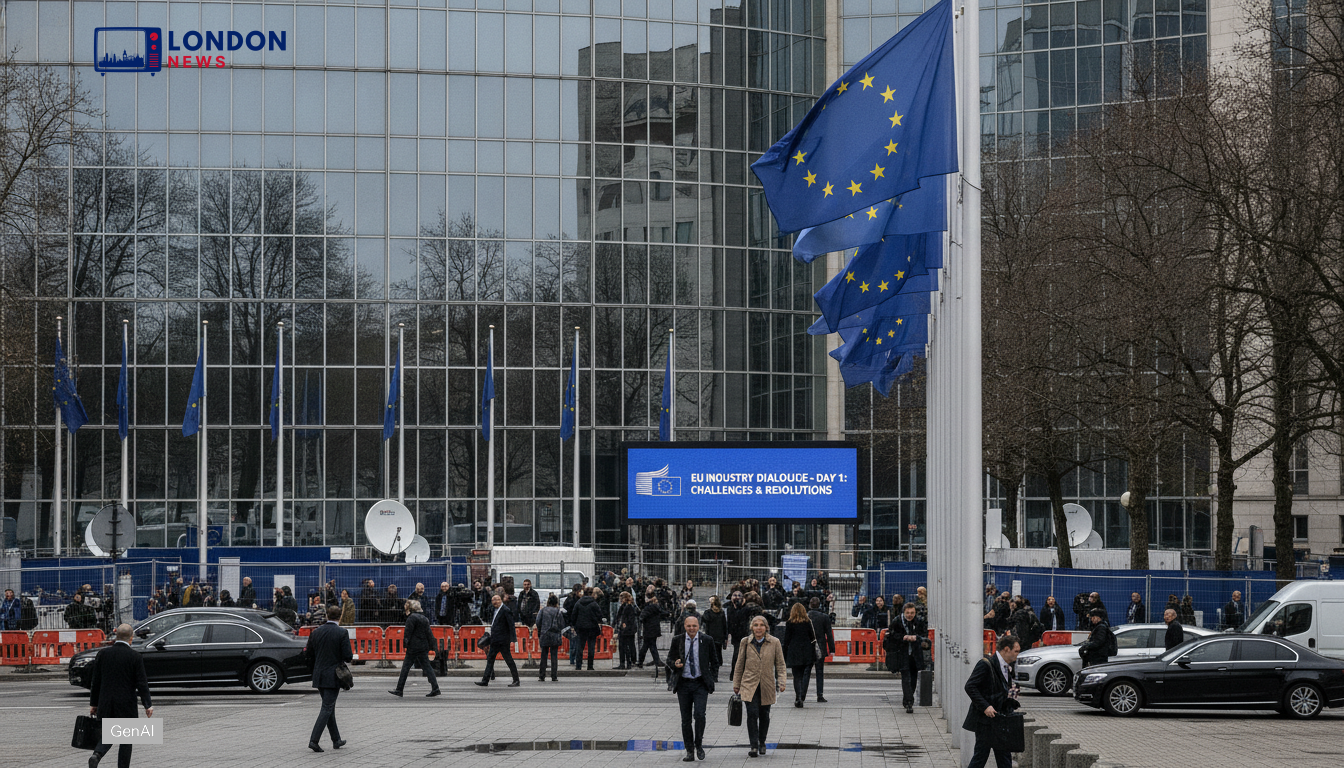
EU industry rules: Burnham’s concerns about UK impact
Andy Burnham expresses concern that EU industry rules now under discussion in Brussels could potentially hit UK manufacturers with extra checks and higher costs. Speaking in interviews reported by the BBC on 22 September 2026, the Greater Manchester mayor suggested the direction of travel might push investment away if firms face new barriers selling into Europe. He highlighted the issue as immediate because procurement and long term supply chain decisions are being made now. Burnham also called for clearer engagement between ministers, mayors, and regional industry bodies so practical impacts are understood early.
Costs and competitiveness for UK exporters
Burnham linked the proposals to pressures already visible for exporters and energy intensive plants, where margins can be tight and compliance teams are small. The BBC report, New EU industry rules would damage UK, warns Burnham, set out his concern that competitiveness could be weakened if alignment and exemptions are not addressed. He said the immediate risk might involve higher administration and certification costs, which can be material for smaller suppliers even when tariffs are unchanged. He also argued that local leaders need a formal voice as talks proceed so firms are not surprised late in the process.
Regional officials in Greater Manchester say they want early sight of proposals that could affect advanced manufacturing, including components that cross borders several times before final assembly. Burnham has framed his intervention as an attempt to avoid surprises for firms that plan years ahead and need stable rules to price contracts. For broader context on market reaction to European policy shifts, see Lisbon stock market inches up as Europe holds steady, with markets watching how the UK positions itself against the European Commission agenda. He also pointed to investor sensitivity to policy signals. He said the government should share impact assessments with regions before decisions are finalised.
What the proposed EU industry rules could cover
The measures Burnham highlighted relate to industrial policy tools designed to steer production and procurement toward EU based capacity, and he argued the UK needs clarity on where third countries sit. He noted the necessity for practical arrangements so UK made inputs are not treated as less reliable or more expensive in tenders because of extra reporting. In his comments, he mentioned how the European Commission can set conditions that ripple through suppliers via standards and documentation requirements. Burnham said the focus should be on keeping high value manufacturing eligible for contracts without duplicative checks, and he urged ministers to publish sector specific guidance quickly so firms can price bids accurately.
Next steps for UK-EU talks and safeguards
Burnham called for a structured negotiating plan that involves metro mayors and industry groups before the next stage of UK-EU engagement. Recent coverage on UK borrowing surge deepens pressure ahead of Budget has kept attention on how limited headroom may be, and he also pointed to tight public finances as a constraint on any potential attempt to offset private sector compliance costs, making prevention more important than compensation. He argued that clarity on regulatory cooperation could reduce uncertainty and support investment decisions in sectors with long lead times. He said any approach should be anchored in concrete outcomes for firms trading with Europe.
How UK business groups are reacting
Business groups have responded cautiously, stressing they need operational detail rather than headline politics. Executives in export facing sectors have told trade bodies the key question is whether customers will demand proof of conformity that differs from established UK documentation, creating new delay points, and Burnham said EU industry rules are now central to those conversations in Greater Manchester. Burnham said those concerns are shared across cities, and he urged ministers to engage with chambers of commerce and major employers in the North and Midlands. Some firms have welcomed the emphasis on predictability, arguing stability matters more than ideology for procurement and investment timelines. He said the UK should seek workable arrangements to keep trade flowing while maintaining domestic policy choices.