Politics
UK response to US diesel export ban threat grows
UK ministers step up talks on the US diesel export ban threat, aiming to protect fuel supply, steady prices, and reduce trade friction with Washington.

US diesel export ban: what it means for UK fuel supply
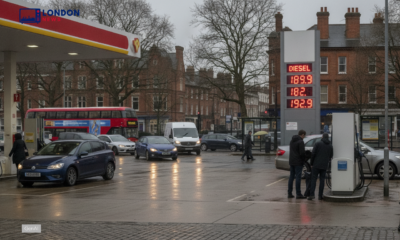
UK officials are reportedly considering a potential near-term risk to fuel availability and prices, with implications for households, haulage, and industry. This comes from recent ministerial statements and briefings in Parliament. Ministers have suggested to MPs that there could be exposure to wholesale price swings if US cargoes are redirected from the Atlantic market. A potential US diesel export ban is seen by some ministers as a trigger for volatility. Diesel supply, already tight in parts of Europe, could lead to increased UK pump prices. This would influence inflation due to transport cost pass-through to goods and services, as highlighted by central banks. The government is said to be coordinating contingency planning and monitoring market signals. Industry briefings have reportedly focused on logistics resilience and stock cover, examining how supply lines might adjust if the policy threat worsens.
How UK ministers are responding to the US diesel export ban
According to public comments, ministers are prioritising diplomacy and operational readiness over public ultimatums to maintain commercial flows. Parliament records show efforts via the written questions process for cross-government coordination, and there is stress-testing of storage and terminal capacity. European fuel disputes have been referenced as demonstrating how markets can tighten quickly, as seen in Portugal fuel stock row. Consultation with importers includes alternative sourcing options and lead times, as briefed by informed sources.
Economic impact: prices, inflation and public finances
Analysts suggest that a proposed US restriction on diesel exports could increase UK wholesale distillate prices, raising costs for road freight and construction. Ministers are observing pump prices due to their influence on inflation expectations. The situation is more sensitive given fiscal limitations, with fuel affordability pressure linked to budget constraints, as discussed in UK borrowing surge issue. Officials are also gauging commercial inventories’ ability to absorb shocks and whether temporary price spikes might persist.
Trade relations: allies, retaliation risks and UK positioning
London is observing ally responses to potential export restrictions, as these could trigger retaliatory measures. UK officials, in Brussels talks, have stressed the shared risks of winter distillate shortages. The political rhetoric in the US regarding diesel restriction adds strain to this already sensitive subject, where energy security intersects with broader negotiations.
Outlook: longer-term changes if the US diesel export ban proceeds
If enacted, the US diesel export ban might lead to a persistent premium for Europe, as trade routes adjust and cargo competition intensifies. Some economists argue that even the threat could lead to higher risk pricing. Advisers are exploring ways to boost efficiency in freight and support alternative fuels while ensuring resilience for essential services.