Latest News
UK fuel prices graph: diesel at record high explained
This uk fuel prices graph tracks UK diesel at record highs, explains the drivers behind the spike, and offers practical steps for motorists and fleets.

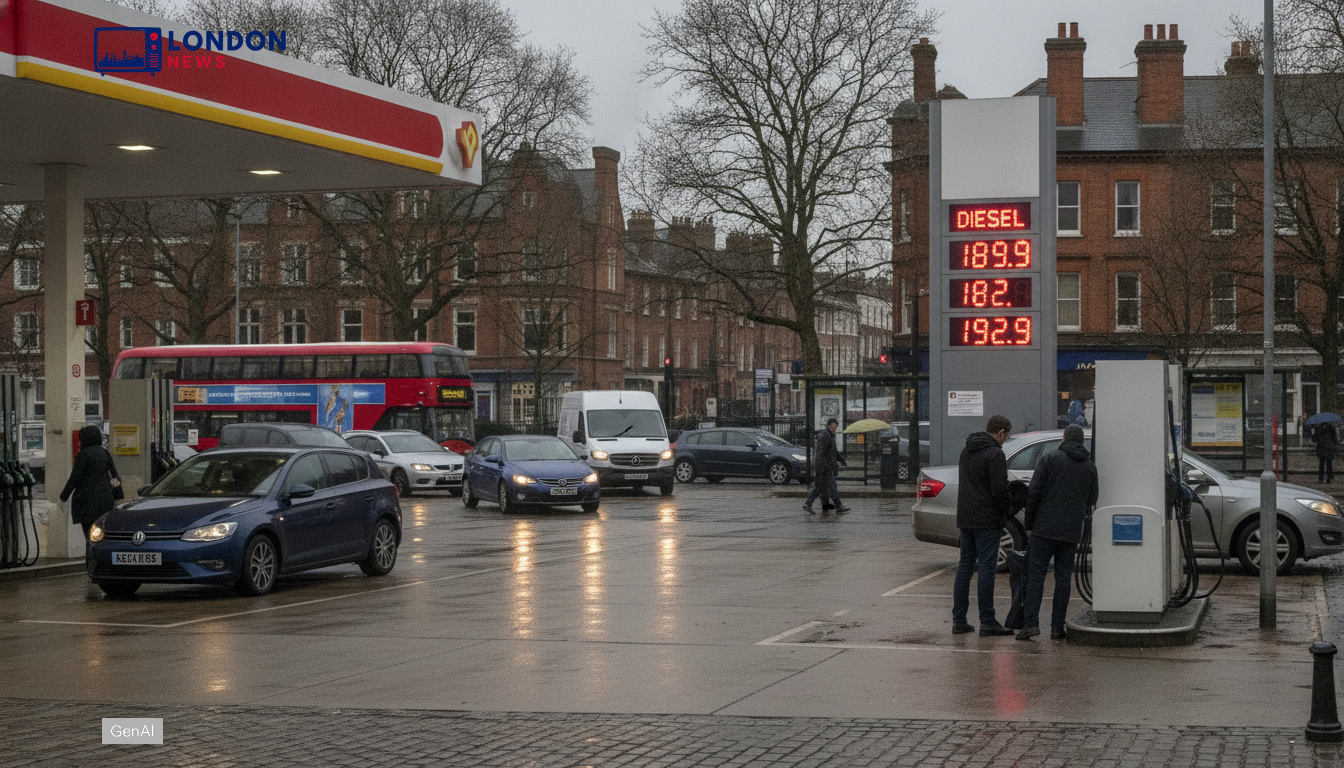
UK fuel prices graph: diesel hits new record high
Drivers are being squeezed again as pump costs climb across the country, with fleets and commuters facing immediate budget strain. According to available reports, the RAC said the average UK diesel pump price has reached an all-time high, sharpening concerns for households already juggling essential bills. In the latest pricing chart, the key signal is not just the peak level, but the steepness of the latest rise over recent weeks, which shows how quickly forecourts reprice. That speed matters for monthly spending plans and for small businesses with tight cashflow. Hauliers and tradespeople report shrinking margins as fuel becomes a larger share of operating costs, and many motorists are cutting discretionary trips and consolidating errands as costs rise.
What the latest curve shows: speed, spread, and volatility
Recent pricing has been marked by quick adjustments at the pump following changes in wholesale markets, which makes week-to-week budgeting harder than during slower moving periods. The most useful way to read a price trendline is to compare the slope of the line with earlier spikes and to check whether the move is broad-based or isolated to certain regions and brands. The RAC has previously argued that retail margins can widen during volatility, so the gap between wholesale and pump prices is part of the story as well as the headline number. For context on wider supply pressures and contingency planning, see UK response to US diesel export ban threat grows. Similar strains have triggered political rows elsewhere, as seen in Portugal fuel stock row as liberals demand answers now, which has been closely watched by drivers and suppliers.
Why diesel is rising: global markets and policy risk
The jump appears closely tied to wholesale markets that might respond fast to geopolitical risk and refinery constraints, with retailers typically passing on costs when new shipments price higher. The RAC linked the surge in diesel prices UK to international tensions that seem to have lifted global oil and refined product benchmarks, feeding into UK supply contracts. The BBC detailed the policy backdrop in its coverage of UK tries to stop Trump’s diesel export ban, highlighting how trade restrictions can tighten availability and increase uncertainty for import dependent markets. Currency moves can amplify increases because crude and refined products are priced in dollars while UK consumers pay in pounds. Diesel can also react more sharply than petrol when distillate supply tightens, which might help explain why the latest move has been so pronounced.
RAC reaction and what to watch next in pricing data
Consumer advocates are urging retailers to be transparent about how quickly they raise prices compared with how quickly they cut them when wholesale costs ease. The RAC has repeatedly argued that forecourt margins should narrow during periods of extreme volatility because sudden spikes hit lower income drivers the hardest. Another indicator is whether pump prices fall promptly after wholesale benchmarks retreat. When you scan a uk fuel prices graph over the next few weeks, look for whether the line flattens, which would suggest wholesale pressure is easing, or whether it keeps climbing, which would point to ongoing tightness in diesel supply. For readers who want the policy timeline and official responses in one place, UK response to US diesel export ban threat grows follows the debate around supply security.
What motorists and businesses can do while prices stay high
Households and small firms can reduce the impact by focusing on efficiency gains that do not depend on new vehicle purchases, especially for high mileage van and delivery routes. Fuel economy improves with correct tyre pressures, lighter loads, and steadier motorway speeds, and these steps help regardless of the direction of fuel prices uk. Many drivers also save by comparing local stations more often, since price gaps widen during fast moving markets and retailers respond at different speeds. Tracking a fuel cost chart alongside regular local checks can help motorists spot whether rises are broad-based or isolated to particular forecourts. Some commuters are switching to occasional rail or bus use where practical, reserving diesel journeys for trips that genuinely require a car or van. For businesses, combining jobs and tightening routing can cut mileage quickly without reducing service quality.