Latest News
England river pollution crisis: chemicals in waterways rise
England river pollution is triggering tighter checks as regulators warn chemical contamination now affects all assessed rivers and lakes across England.

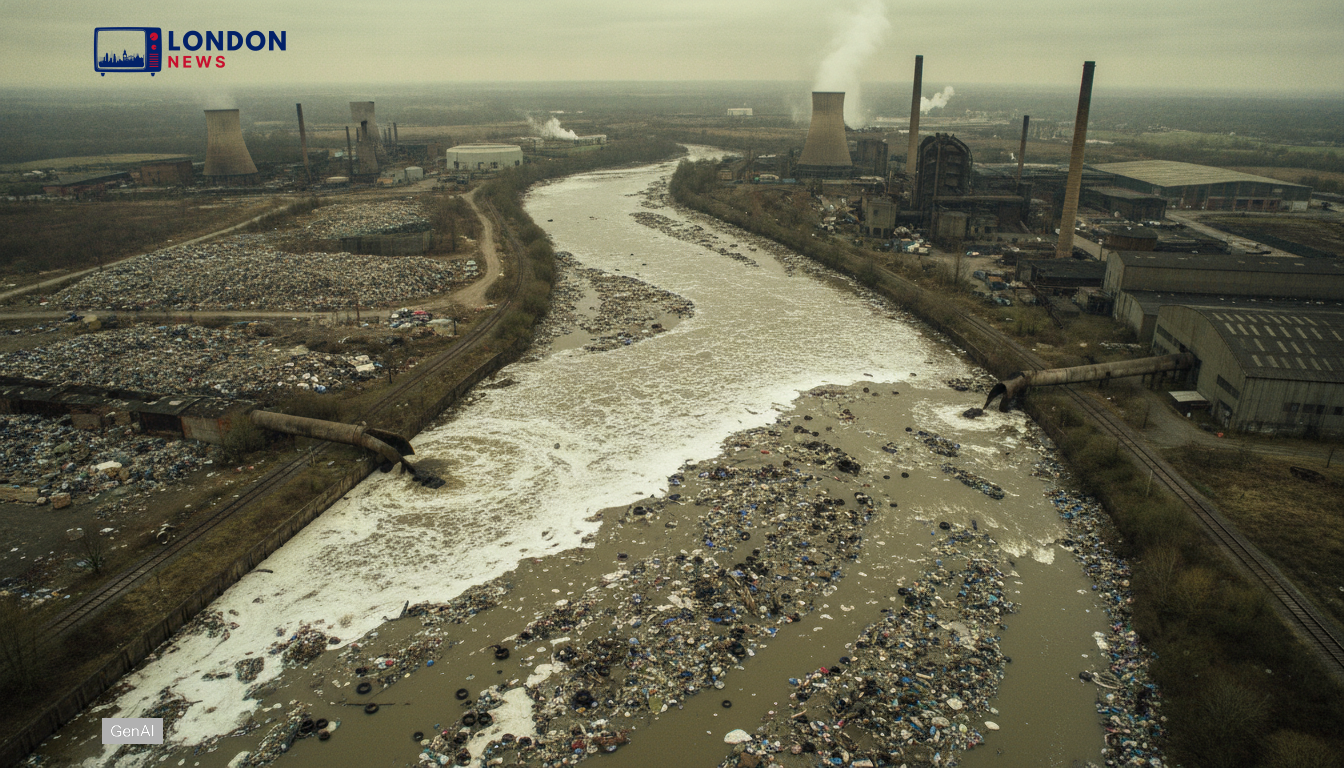
England river pollution spreads across rivers and lakes
Regulators depict the chemical invasion of England’s waterways as sweeping, with a toxic cocktail popping up more often across rivers and lakes. According to available reports, the Environment Agency’s 2024 briefings suggest that identifying these mixed pollutants is turning into quite the detective game, slowing down enforcement. The spotlight is shining bright on wastewater and industrial emissions. They’re talking about speeding up the tracking of harmful substances, nailing down accountability, and sampling consistently in high-risk areas.
What the latest assessment says about chemical contamination
In assessments from the Environment Agency and Defra, chemical contamination seems to be affecting all reviewed rivers and lakes in England, based on current classification methods. Contextualising further environmental regulation, debates range from local waterways to broader issues, as seen in governance scuffles like Montenegro’s critique of Sanchez. Agencies hint that while established chemicals are tracked routinely, some newer foes slip through the nets, causing lingering exceedances that stop waterways from hitting their quality targets.
Impacts on ecosystems and environmental health
Environment Agency insiders connect chemical waste to habitat stress that can decrease invertebrate diversity and mess with fish spawning, all the more when combined with warmer, lower summer flows. Focusing on the environmental side, discussions mostly pivot on prolonged exposure risks for recreational users of these waterways, not drinking water supply. Researchers make a point of separating sudden spills from trickling releases that keep toxin levels high for extended periods. Campaigners reckon it should be about measuring cumulative exposure across the catchment, not just at singular outfalls, underlining the ongoing issue for river enthusiasts.
Regulatory action and political response in England
Defra claims they’re working closely with the Environment Agency on tightening compliance and backing prosecutions with a robust evidence base. It’s a cocktail of inspections, data crunching, and precise sampling targeting the most harmful sources. Water companies face mounting demands for transparent performance data. There’s chatter about filling monitoring gaps for emerging chemicals so regulators can jump into action before things spiral out of control. England river pollution has even sparked chatter in parliament over whether current standards and enforcement truly match the scale of the mischief and the reporting responsibilities.
What comes next for reducing England river pollution
Officials mention that moving forward means focusing on sharper chemical surveillance, improved catchment coordination, and defined duties for those whose discharges sully sensitive waters. The Environment Agency believes better outcomes hinge on more frequent testing and boosted lab abilities to catch and tag a wider array of contaminants. Discussions on risk monitoring aren’t confined to rivers, playing part in debates like wildfire detection and compliance stories like the ASA smoking ad ban. Defra highlights partnerships in land management and urban drainage as part of the solution. Watch this space for results in reducing pollution breaches and better compliance across England’s waterways.