Latest News
Yorkshire water drought declared as dry spell deepens
Yorkshire water drought declared as rainfall stays low and river flows drop, prompting Environment Agency actions and advice on restrictions across the region.

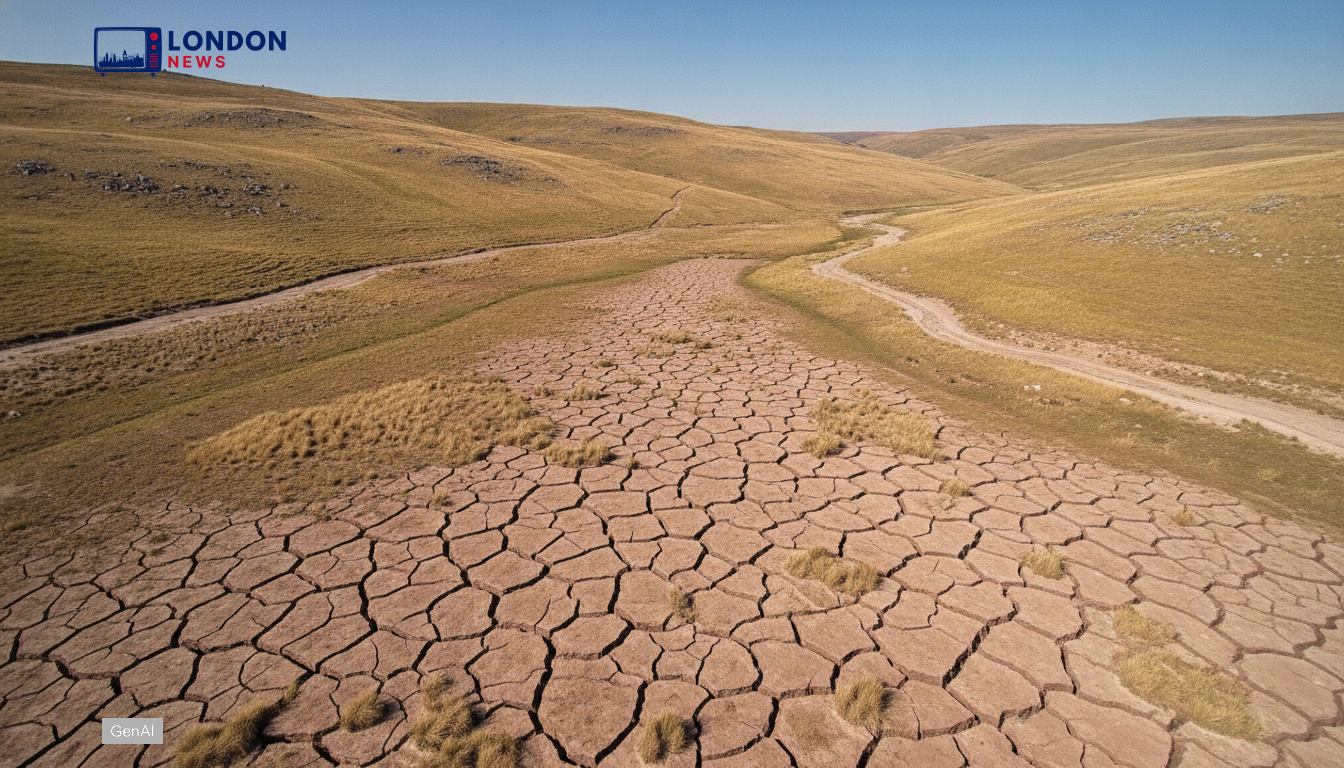
Yorkshire water drought: record-breaking dry spell
Yorkshire water drought has been officially acknowledged after weeks of persistently dry weather increased pressure on rivers, reservoirs, and groundwater across the region. According to the Environment Agency, the area covered by Yorkshire Water has shifted into drought status, which is expected to trigger drought planning measures and closer monitoring of catchments and abstraction. In operational briefings, the agency plans to work with water companies, farmers, and local authorities to manage water scarcity risks where flows are already low for this time of the year. Residents and businesses are advised to track local restrictions and prepare for tighter controls if conditions worsen, based on the Environment Agency’s public guidance. This change moves the focus from routine summer conservation to regulated drought management, as officials have described it.
Impacts of the drought on communities and services
For communities across Yorkshire, the effects of the water drought might be first felt in places where demand is high and supplies are tight, including small businesses that rely on regular water use and households with gardens. The Environment Agency suggests that a drought declaration can enable faster coordination around river health, fish protection, and prioritisation of essential uses when competing pressures build. Local councils and utilities may prepare contingency communications so customers understand what restrictions mean in practice, officials have indicated in previous drought planning updates. Community organisations may adjust event plans that depend on water access, and some sports grounds are reviewing irrigation schedules to avoid wasting supplies. Wider resilience planning is also in focus in Bank of Portugal: President Meets Governor on Oversight, as local groups in Leeds and York monitor impacts on facilities.
Environment Agency actions and monitoring measures
During a Yorkshire water drought, the Environment Agency suggests it can escalate oversight of abstraction and environmental impacts as conditions develop, including checks on river flows and coordination with Yorkshire Water on resource balancing. The agency has indicated drought action can include temporary use bans, targeted enforcement where illegal abstraction is suspected, and measures intended to protect habitats when water levels threaten ecological status. It has also said it will publish situation updates through its regional channels, including reservoir storage and rainfall assessments. Related scrutiny of how institutions respond under pressure is touched upon in Alternatives to Ofsted School Inspections Urged in England. For national context on UK public communications during fast-moving decisions, see the BBC at NI secretary to ban the Drumcree parade, as the Environment Agency continues its regional updates.
Long-term risks for supply, farming, and river ecology
Longer dry spells can compound impacts across supply planning, river ecology, and agricultural productivity, particularly if dry weather becomes more frequent and intense, as climate risk assessments have warned in general terms. The Environment Agency sets drought management around staged triggers tied to rainfall deficits, storage levels, and environmental stress; officials believe a Yorkshire water drought declaration places the region deeper into that framework. Water companies may be required by regulators to show how they will reduce leakage, manage demand, and maintain resilience for critical users if scarcity persists. Farmers might face restrictions on abstraction at sensitive points in the season, depending on local conditions and regulatory decisions. Local authorities may also review park watering, street cleaning, and other non-essential uses, including in Sheffield and Bradford.
How households and workplaces can adapt now
Local adaptation is increasingly focused on cutting demand without disrupting essential activity, especially in areas where supplies are already strained. Guidance published during drought periods by the Environment Agency encourages residents to follow any restrictions promptly and to adopt conservation measures that reduce peak demand, because network pressure can rise sharply during warm spells. In community facilities, managers are reviewing cleaning routines and considering water-efficient fixtures that lower baseline use while maintaining hygiene standards; related reporting on public-facing standards appears in UK urged to adopt allergy management ratings at venues. In workplaces, facilities teams are checking for leaks and ensuring cooling systems operate efficiently, since small losses can add up quickly during prolonged dry weather. Clear communication between councils, utilities, and the public remains central to limiting disruption, according to official drought-planning guidance.