Latest News
UK airport drop-off charges in the spotlight after fee rises
Ministers are reviewing UK airport drop-off charges after fee increases, focusing on fairness, signage, alternatives, and consumer protections.

UK airport drop-off charges review: what’s on the table?
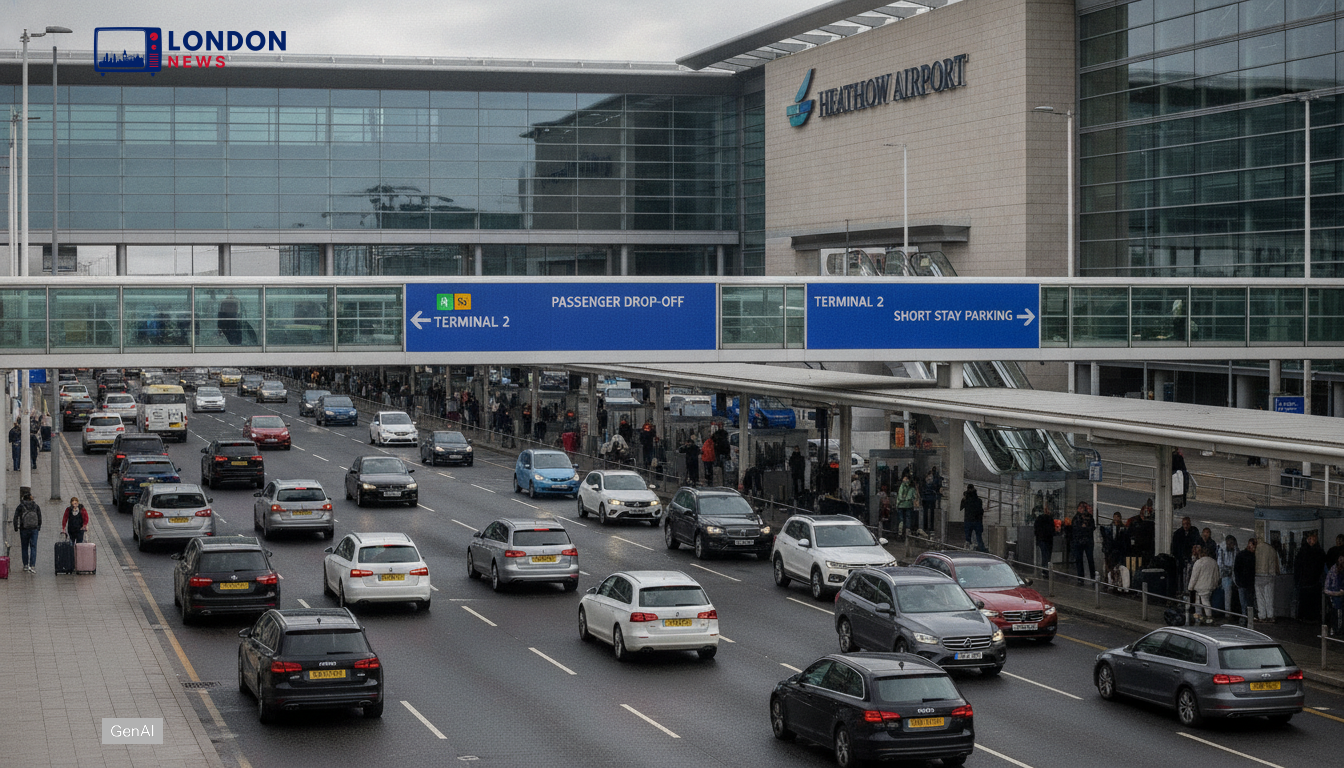
UK airport drop-off charges are now under formal government review after notable hikes at many terminals. As indicated by BBC, the inquiry plans to assess how fees are set, how clearly they are signposted to drivers, and whether motorists have a practical free alternative. The Department for Transport will look into communication and enforcement of charges, considering the balance between traffic management and consumer fairness. The aim is to determine if existing protections are consistent across operators and if they unfairly penalise necessary short stops.
The driver conundrum: access and charges
For many travellers, the pinch is felt at the terminal forecourt, where a brief stop can cost several pounds with varying rules by airport. Families with children, carers, and passengers with reduced mobility frequently express difficulty using distant car parks or shuttles for quick drop-offs. Transport planners point to the influence of access policy on travel choices, while officials are expected to evaluate clear signage, reasonable payment windows, and practical free set-down areas. Consumer groups argue that confusing rules and limited alternatives lead to unintended penalties.
Defence from the airports: congestion and costs
Airport operators suggest that forecourt pricing aims to keep traffic moving, manage queues, and deter unsafe stops near terminals. Several have claimed that fees support staffing, maintenance, and safety, along with enforcement technology. As the 2024 government inquiry looms, the industry is poised to underline varied road layouts, peak-time pressures, and local planning issues. These claims will face scrutiny to see if they hold where options are limited, affecting those with heavy luggage and mobility needs.
Pressure for clarity: signage and appeal processes
Motoring groups and disability advocates push for treating forecourt fees as both a consumer and traffic-management issue. Common proposals include upfront signs detailing charges, clear pricing information, and grace periods for turnarounds or honest mistakes. In the midst of wider transport policy scrutiny, campaigners want consistent appeals processes, especially where road markings create confusion. Questions have emerged in Parliament about enforcement standards and effects on private hire and taxi users.
Potential changes on the horizon
While no firm timeline is announced, the review might explore stronger guidelines, regulations, or voluntary standards for airport operators. Possible changes include better signage, clearer payment communications, and practical free set-down options. Ministers may also assess whether policies effectively reduce congestion or merely shift issues to nearby roads. As stakeholders watch closely, balancing airport operations with fair costs and road safety remains crucial.