Tech
Airport e-gates rollout begins at UK airports
UK airports are rolling out expanded e-gate processing, shifting more entry checks to biometric verification to speed arrivals while maintaining border controls.

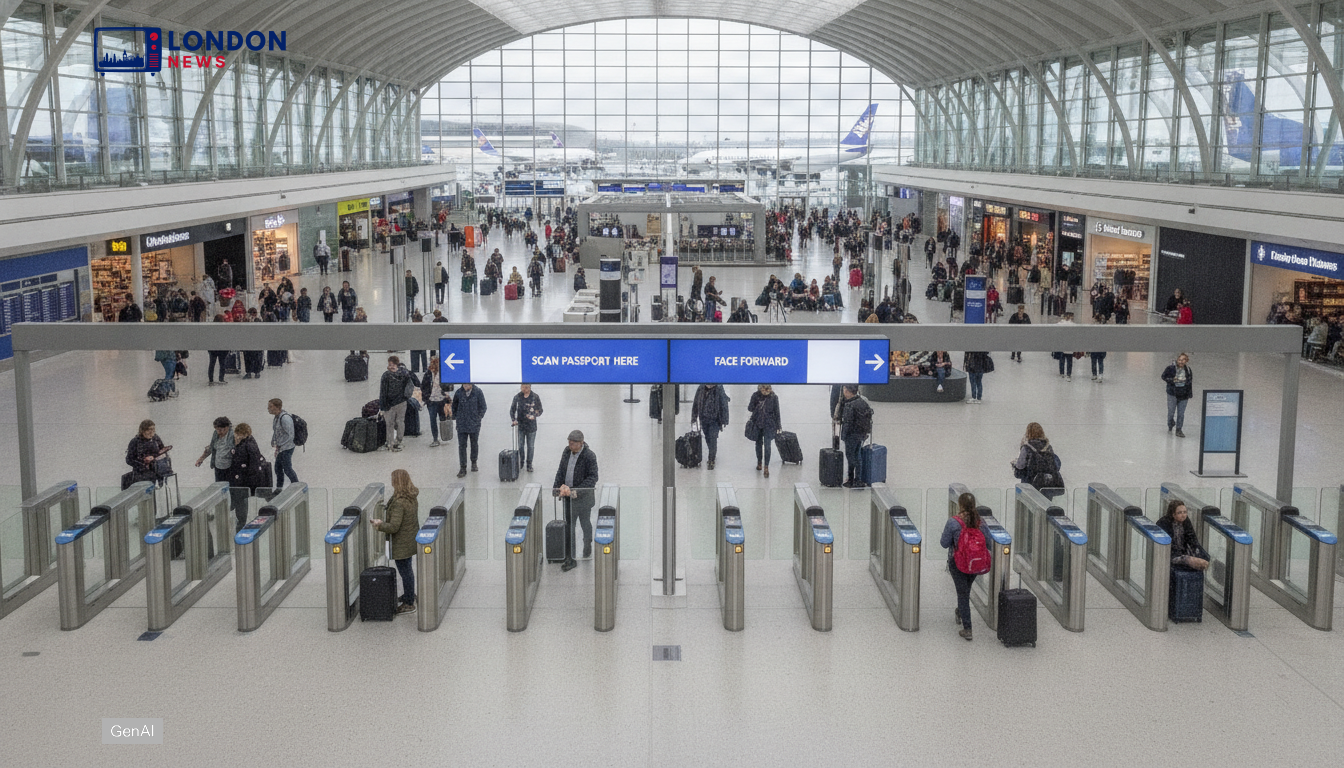
Airport e-gates rollout starts at UK airports
The rollout of updated border processing has begun at selected UK airports. This is part of a wider border transformation programme. In the first phase, officials focus on configuring entry lanes, testing workflows, and training staff to monitor automated decisions.
The update centres on automated e-gate lanes. These e-gates aim to reduce routine document handling at manual desks, relying more on automated checks, with Border Force teams managing queues and exceptions.
Carriers and ground agents are being asked to reinforce passenger guidance at the gate line. The first phase continues into October 2026.
How e-gate lanes use facial biometrics
Biometric matching is being expanded alongside existing controls. The aim is to upgrade how identity is verified at the border. The system generally uses facial recognition to compare a captured image with a passport chip image and run checks against security databases, according to UK government guidance.
There’s ongoing debate on digital identity across travel and commerce. This includes scrutiny of verification systems discussed in TAP Air Portugal Bids Top €1bn as Rivals Raise Stakes. Operational rules might also require travellers to see an officer when automated checks cannot confirm a match with confidence. TechCrunch has examined privacy-focused product design in its reporting on data handling and classification systems, offering context for governing biometrics.
What travellers can expect at airport gates
Airport operators are aligning signage, queuing layouts, and staffing around the new processing model to reduce bottlenecks, as indicated by airport and UK government guidance. Passengers who cannot be automatically cleared will be directed to staffed points, keeping the main flow moving.
For more context on tightened access controls, see Asos hacking incident: unauthorised app alert confirmed. Travellers may notice fewer routine interactions at staffed desks, with identity confirmation in the automated lane, subject to rules by the government and airports. Consistent passenger messaging will be essential according to airport teams.
Challenges and reliability issues for automated border lanes
Operational resilience can be tested when flights arrive in clusters. Automated lanes still require active monitoring, rapid fault response, and clear escalation paths. Availability depends on equipment uptime and network connectivity, which can affect throughput even with sufficient staffing.
For context on automated decision governance, see TechCrunch on how AI decision models could change content moderation. Contingency planning may divert passengers to staffed desks when lanes are degraded. Operators might pause biometric capture if needed by safety, security, or privacy controls. Technical accuracy can be pressured by poor lighting or worn documents, increasing referrals.
What comes next for airport e-gates in the UK
Officials describe this rollout as part of a longer border modernisation agenda. The focus is linking identity, eligibility, and risk assessment across the passenger journey.
Future capability will depend on secure data sharing and robust oversight, along with transparency for passengers about checks. Regulators will watch for evidence that queue reductions do not increase error rates. Security readiness themes are noted in RAF Fairford incident: arrest as police probe. For now, the priority is stabilising automated processing, expanding staff familiarity with exceptions, and measuring performance against standards.