Tech
AI-assisted brain surgery milestone reshapes tumour care
A London neurosurgery team said it used AI-assisted brain surgery for real-time decision support during a tumour operation reportedly performed on 27 Aug 2026, highlighting safety checks and clinician oversight.

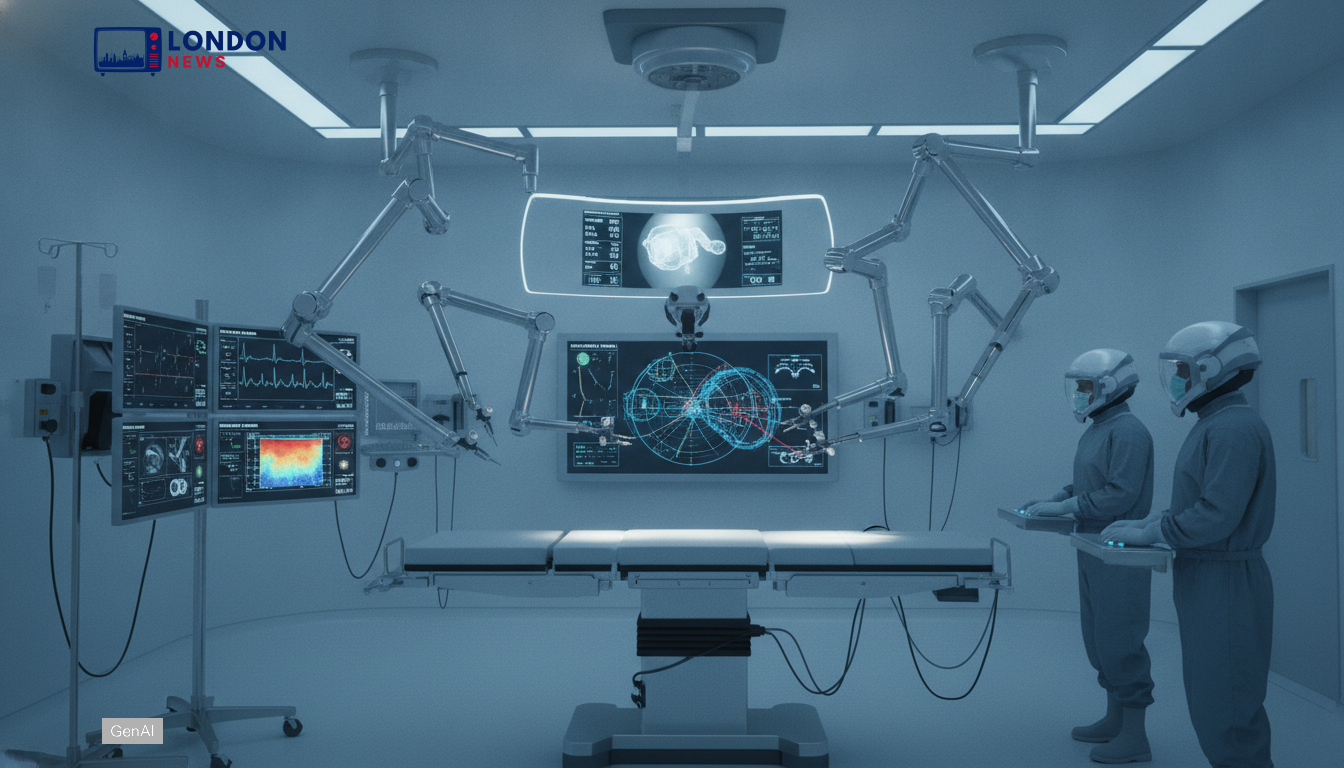
AI-assisted brain surgery marks a new operating theatre milestone
In a groundbreaking bout of medical wizardry in London, surgeons have reportedly used real-time algorithmic decision support to complete a tumour operation. According to available reports, this is a first for the hospital, using AI-assisted brain surgery to interpret intraoperative images. The system apparently provided rapid image analysis, flagging anatomical boundaries at crucial moments. However, it’s worth noting they’ve focused on safety and oversight rather than going full robot takeover. The patient, it’s reported, left the theatre in good spirits—well, as far as one can, post-brain surgery.
How real-time AI support was used during the operation
Described as a clinician-led affair, the team reportedly used AI to reduce uncertainty during those tricky dissection bits. As indicated by sources, AI was used to process live views and help distinguish tumours without hitting the pause button. The surgeon, mind you, kept full control of the scalpel.
Patient pathway from diagnosis to early recovery checks
Apparently, it all started with some ominous diagnostic imaging and ended with planned tumour removal while safeguarding neurological function. They used AI guidance alongside standard tools for adjusting technique on the fly. Post-op monitoring was the name of the game, with some good old-fashioned neurological observations and early rehab planning.
What hospitals and regulators will look for next
Hospitals are likely keeping their eyes peeled for governance and validation, particularly how to record what AI spits out during surgery. The wider adoption of these platforms likely hinges on proving they can really improve outcomes, not just sound fancy.
Expert views and the evidence required to build trust
Some in the clinical sphere argue that as long as there’s a steady hand in charge and the system logs every beep and boop, algorithms have their place in high-stakes medical theatre. AI-assisted brain surgery, they say, can’t be taken at face value but must be backed by solid, reproducible evidence that spans various patient anatomies and tumour oddities.