Tech
UK reviews electric vehicle sales targets for carmakers
UK ministers are reviewing electric vehicle sales targets after automakers sought flexibility. A 2024 mandate review could affect compliance rules and timelines.

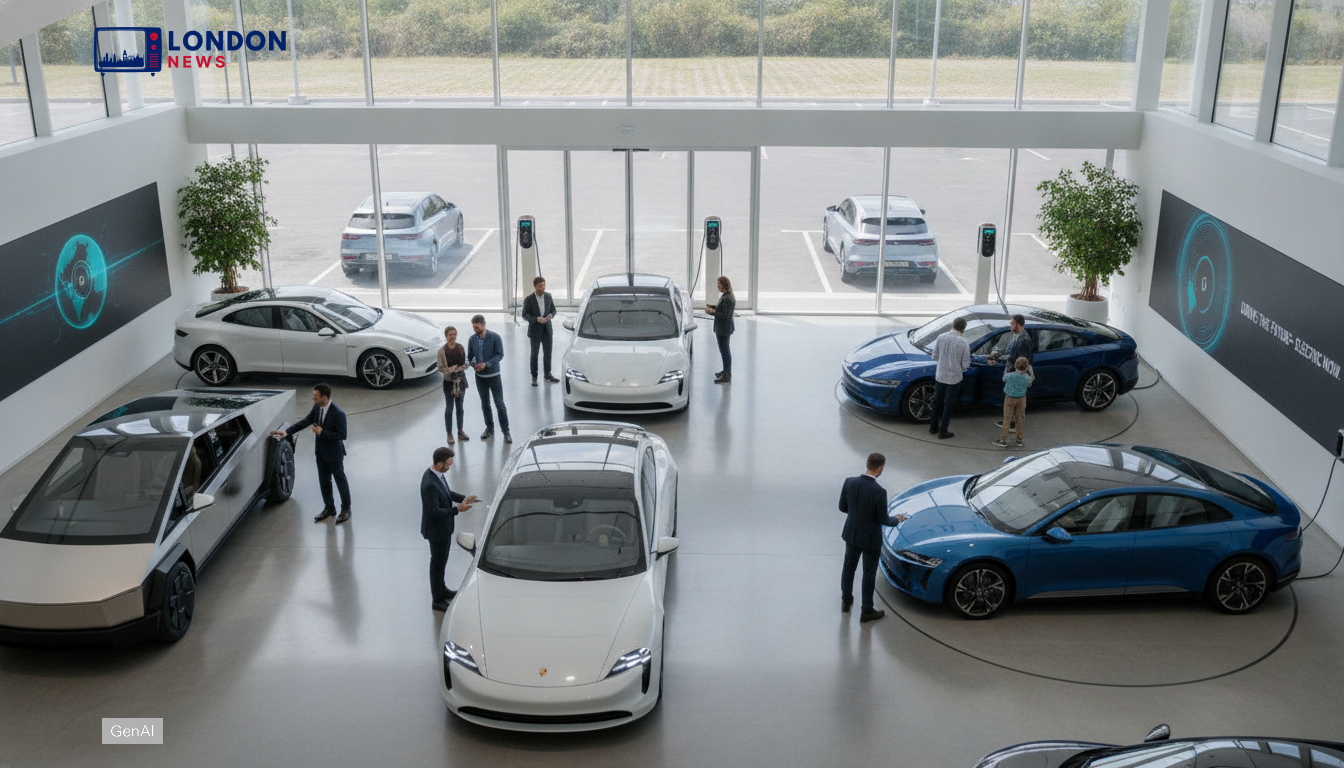
Electric vehicle sales targets under UK review
Electric vehicle sales targets are at the centre of a UK government review of the Zero Emission Vehicle mandate, as ministers weigh whether annual requirements match demand, model supply, and charging capacity, as indicated by the Department for Transport. The Department for Transport has said it is engaging with manufacturers and retailers on how the scheme operates, including possible adjustments to compliance mechanics and electric vehicle sales targets. The mandate is intended to increase the share of new zero-emission car sales each year while keeping the UK aligned with legally binding carbon budgets under the Climate Change Act, as set out in existing legislation and related government policy. Officials have stressed that the review is about design and delivery rather than abandoning net zero commitments, while acknowledging differences in chargepoint rollout and grid connections across regions.
Car makers ask for flexibility in the mandate rules
Several car manufacturers have said they want more flexibility in how the mandate operates, arguing that steep year-on-year increases could lead some firms to rely more on credit purchases than on product investment. Automakers and dealers have raised questions about whether credit trading, banking, and borrowing rules provide adequate headroom for brands with slower supply chains or later model launches, according to their representations to ministers as described by the government. For a snapshot of how policy pressure can move markets, see Euro Climbs Back and Shakes Up Traders, which tracks how regulatory signals affect trading sentiment, and ministers have not committed to changing the annual percentages. They have acknowledged receiving feedback from industry and the retail sector, including concerns about showroom demand and fleet replacement cycles.
What changing targets could mean for emissions and industry
Any relaxation might affect the UK’s road-transport decarbonisation pathway, where passenger cars are a significant source of domestic emissions, according to official UK emissions reporting. The Climate Change Committee has argued in its published advice that stable policy signals can support charging investment and consumer confidence, including for drivers without off-street parking. If electric vehicle sales targets were lowered, the timing of emissions reductions could shift, depending on how compliance is calculated and how firms respond, analysts have said in similar policy debates. Ministers have pointed to ongoing work on grid upgrades and public chargepoint delivery, but they have not set out any new mandate numbers or a revised timetable alongside the review.
Environmental groups push to keep requirements intact
Environmental organisations have urged ministers to keep the mandate intact, arguing that weakening annual obligations could delay cleaner-air benefits and reduce investor certainty for batteries, renewables, and charging networks. Groups including Greenpeace UK and Friends of the Earth have criticised the idea of easing requirements, saying that model availability is improving and that policy should focus on affordability and chargepoint reliability, according to their public statements. Ministers have responded that the consultation is about practical implementation rather than scrapping requirements, and they have highlighted existing support for infrastructure and innovation. The review is being closely watched for how it balances industrial competitiveness, household costs, and progress toward net zero, according to stakeholders across the sector and campaign groups in London.
How the UK approach compares with the US and EU
The UK is not alone in revisiting regulatory pace, as other jurisdictions have adjusted incentives and timetables while maintaining electrification goals, according to publicly available policy updates. In the United States, federal agencies set standards that tighten over time while allowing multiple technology pathways, including hybrids and efficiency improvements alongside battery-electric growth, according to US regulatory frameworks. For broader context on UK policy decisions shaping business costs, see World Cup impact on the UK economy: spending and hours, even as the European Union continues to rely on fleet-wide CO2 standards and has agreed rules that would end sales of new petrol and diesel cars from 2035, subject to periodic review through the legislative process. Supporters of the UK framework argue comparable rules matter because supply chains are global and plants are allocated to markets offering longer-term certainty, as industry groups have said.