Politics
UK Schools Funding: Extra £500m to Avert Strike
UK schools funding gets an extra £500m for England budgets, aiming to support teacher pay talks, protect staffing, and reduce strike risk in 2026.

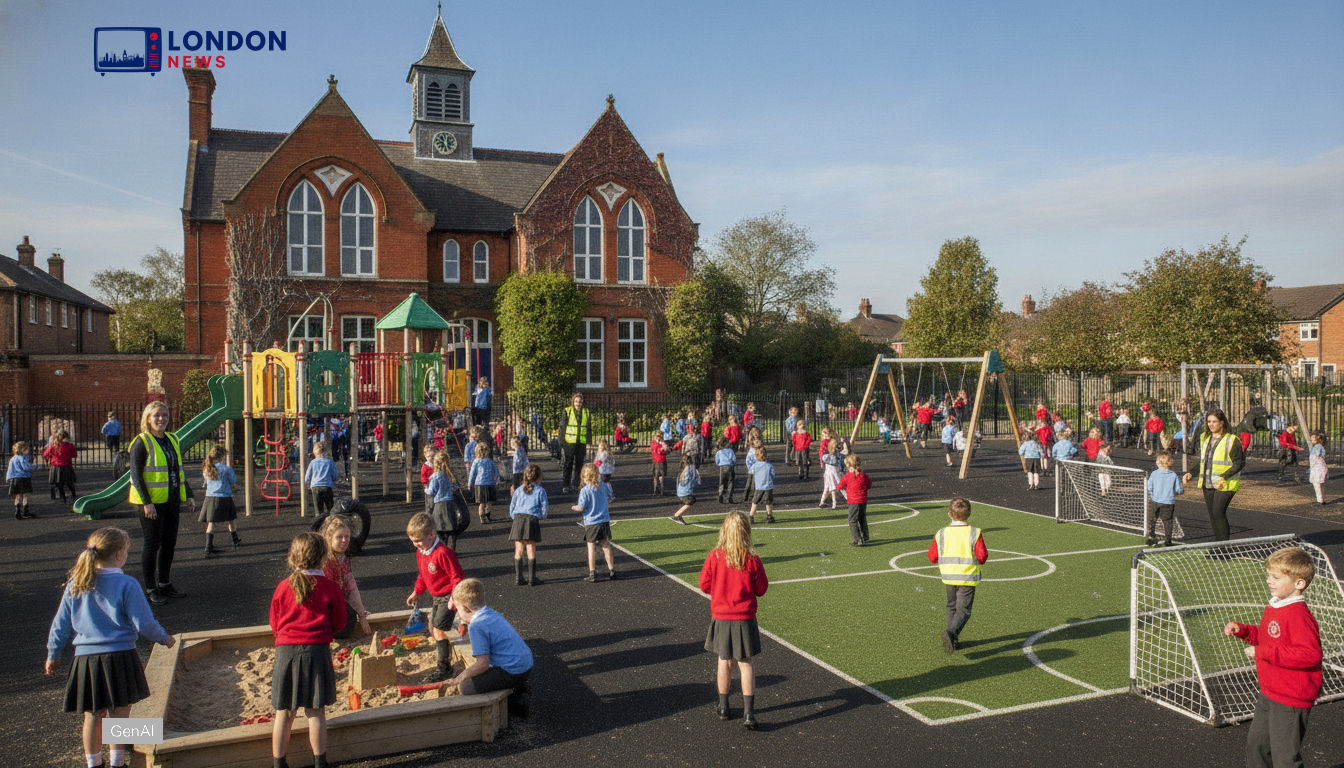
UK schools funding: Government adds extra £500m
UK schools funding is at the heart of a fresh government effort to pre-empt more industrial action. Ministers have unveiled an extra £500m for schools in England, as indicated by briefings from Reuters. The Department for Education suggests the package should help schools tackle higher costs related to teachers’ pay, all without cutting back on essentials, according to Reuters. The government presents the funding as focussed support for mainstream schools and high needs, insisting current spending plans stay as they are, per Reuters. Just as heads are raising flags about the strain on staffing and support services, with budget gaps potentially shrinking pastoral care and curriculum breadth, sector commentary cited by Reuters gives a sharp warning.
How the £500m package is expected to reach schools
The Department for Education aims for this £500m boost to help schools manage pay-related cost hikes alongside other pressures, such as pensions and National Insurance, reports Reuters. School leaders are keen for clarity on how these funds will be rolled out, including timing across the 2025 to 2026 financial cycle and earmarked funds for high needs. To see how grand public investments often clash with other priorities, look at EU Needs a Whopping €24.7bn for Electric Dreams. Schools are now preparing to integrate the new funds into budget planning ahead of the next year. Governors and trusts are comparing allocations with expected staffing and support needs, shaping decisions before the new term begins.
Union response and what the England schools budget must cover
Teaching unions claim the prominent figure doesn’t resolve the key issues, seeking clarity on what reaches classrooms amid cost pressures, Reuters notes. Union leaders are reviewing if the offer protects pay awards as promised without dipping into existing budgets. Using core education budgets to fill shortages might risk reducing teaching positions and enlarging class sizes, rather than visible pay cuts, leaders warn. Previous government calls for efficiency have met with scepticism, as sector bodies argue about restricted room following lean settlements, according to public statements noted by Reuters. A specific timeline for allocations, which could appear in UK Parliament written statements, will be monitored closely as departments sort out the delivery logistics.
Operational impact on staffing, SEND and school budgets
School business managers and governors will assess if the increase covers total settlement costs, including such expenses as pension contributions and National Insurance, as per officials and Reuters. If total funding falls behind rising wage bills, the gaps could be bridged by cuts to support staff, programmes, and specialised provisioning. With demand soaring while capacity and staffing stagnate, SEND services are under particular pressure, as noted by sector groups in media. With economic conditions adding layers of pressure, covering inflation-driven costs like transport and utilities becomes a delicate balancing act — feeding into debates like Global oil supply squeeze lifts UK inflation and fuel. The operational challenge remains: can schools maintain timetables, safeguarding, and targeted support?
Longer-term UK schools funding outlook and strike risk
As talks unfold, the political debate is whether this one-off £500m funding can replace a structured multi-year approach to fully fund future pay awards, according to Reuters. While ministers point to the national funding formula and capital programmes, school leaders call for assurances that future budget settlements won’t compel cuts elsewhere, as reported by Reuters. Uncertainty over UK schools funding leads to cautious planning — with possible delays in hiring and cuts back on training and tech investments, according to school leaders’ comments. Any escalation may tap into wider discussions about public service sustainability and spending, reflected in debates such as the UK pension increase debate grows as wage growth cools. Parents, ever watchful, wonder if attendance routines, exam prep, and childcare could be affected. The immediate test is whether this £500m will be disbursed swiftly and clearly enough to press on with negotiations and lower the risk of ongoing strikes, according to Reuters.