Politics
Burnham and Macron talks put UK-EU relations in focus
Andy Burnham met Emmanuel Macron for bilateral talks, highlighting UK-EU relations as a practical working relationship, focusing on defence and migration.

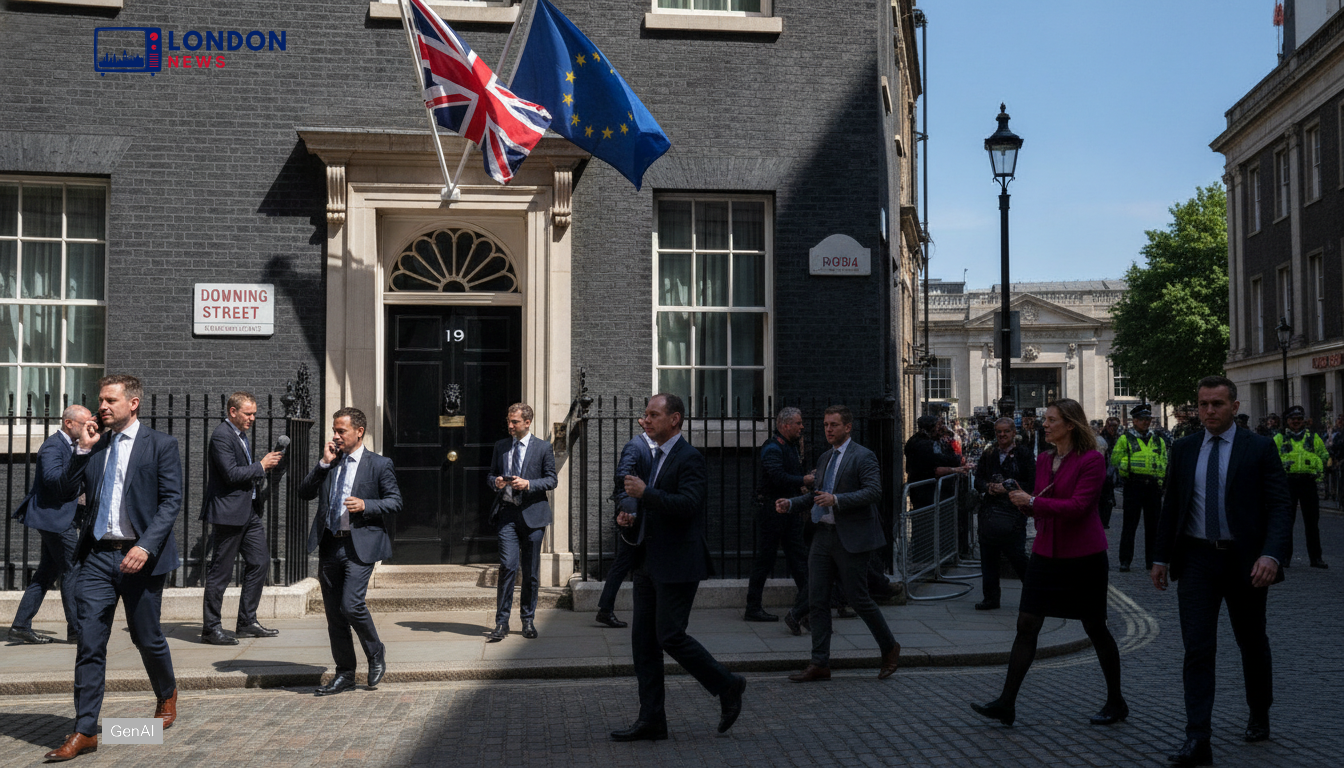
UK-EU Relations Talks: Burnham Meets Macron
Andy Burnham met Emmanuel Macron for bilateral talks that Burnham presented as focused on practical cooperation rather than a symbolic reset, according to Burnham’s own public framing of the visit. In the first part of the exchange, Burnham said UK-EU relations are most effective when both sides focus on outcomes that can be measured and enforced, particularly on security and border management. The Elysee did not publish a full transcript, according to available reports, so detailed claims about exactly who said what should be treated cautiously; any summaries circulating publicly reflect partial accounts rather than a verbatim record. Burnham also said the trip was part of a wider effort to keep official and regional channels open even when Westminster politics hardens, and he argued that local leaders can help maintain working contact on shared challenges.
Defence and Small Boats on the Agenda
Burnham indicated that defence cooperation was a priority area for discussion, while the precise agenda items were not fully documented in an official transcript. For context on parliamentary scrutiny of migration-related measures, a petition text is available via UK Parliament petition on MoD sites and asylum consultation, while Burnham’s remarks focused on practical delivery. In his comments, he argued that procurement, intelligence and operational links should remain resilient as threats shift. He also said he raised the small boats issue as a practical test of whether UK-EU relations can support joint work that improves deterrence and workable returns pathways while staying within domestic legal limits. Burnham also argued that enforcement credibility matters as much as messaging, and that shared operational rules and data sharing are central to any progress.
How UK-EU Relations Shape Day to Day Cooperation
The immediate significance of the meeting may be less about treaties and more about signalling to officials who manage day-to-day cooperation, as Burnham suggested in his public characterisation of the talks. He argued that UK-EU relations can improve through predictable ministerial, regional and agency engagement, even without reopening core trade terms. Related context on wider European coordination pressures appears in EU Russia Sanctions Set to Tighten with Broad Consensus, which illustrates how broader EU decisions can influence the bilateral atmosphere. He also pointed to potential industrial spillovers, saying supply chains tend to depend on stable regulation, timely customs processes and clear dispute handling rather than headlines. Burnham presented the discussion as tracking areas where cities and regions can have influence, including skills pipelines and investment promotion.
UK Political Reaction and Mandate Questions
Political reaction in the UK appeared mixed in commentary around the visit, with supporters describing the meeting as pragmatic and critics questioning mandate and optics. Burnham has said that mayors can complement national diplomacy by keeping contact with counterpart leaders when formal channels slow, without claiming negotiating authority. Some analysts linked the row to broader scrutiny of government positioning in Parliament, reflected in ongoing coverage such as PMQs scrutiny intensifies as UK economy faces costs, and the response also became a proxy argument about sovereignty, growth and border control, with MPs and commentators interpreting the same limited set of publicly available facts in different ways. Burnham has portrayed his role as convening and advocacy aimed at practical delivery within the existing framework for UK-EU relations.
Next Steps for UK-EU Cooperation
Any future cooperation will depend on whether both sides turn partnership language into repeatable working formats that can survive election cycles, as Burnham argued in his public remarks. He has placed emphasis on shared security needs, joint enforcement work and reducing administrative friction that affects exporters and travellers. In that sense, UK-EU relations are judged by whether talks are anchored in clear projects and timelines, not abstract promises. Macron is often described by political observers as favouring structured engagement that protects the EU legal order, though the specific constraints discussed in this meeting are not fully known without an official transcript. A plausible pathway, according to available reports, is incremental progress in select areas where outcomes are verifiable and politically defensible on both sides, with delivery judged over time rather than by announcements.