Politics
UK heatwave Sadiq Khan guidance and Lords appointment
UK heatwave Sadiq Khan guidance: what Londoners should do, plus what has been reported about his Lords appointment and possible implications for City Hall messaging, transport and public safety.

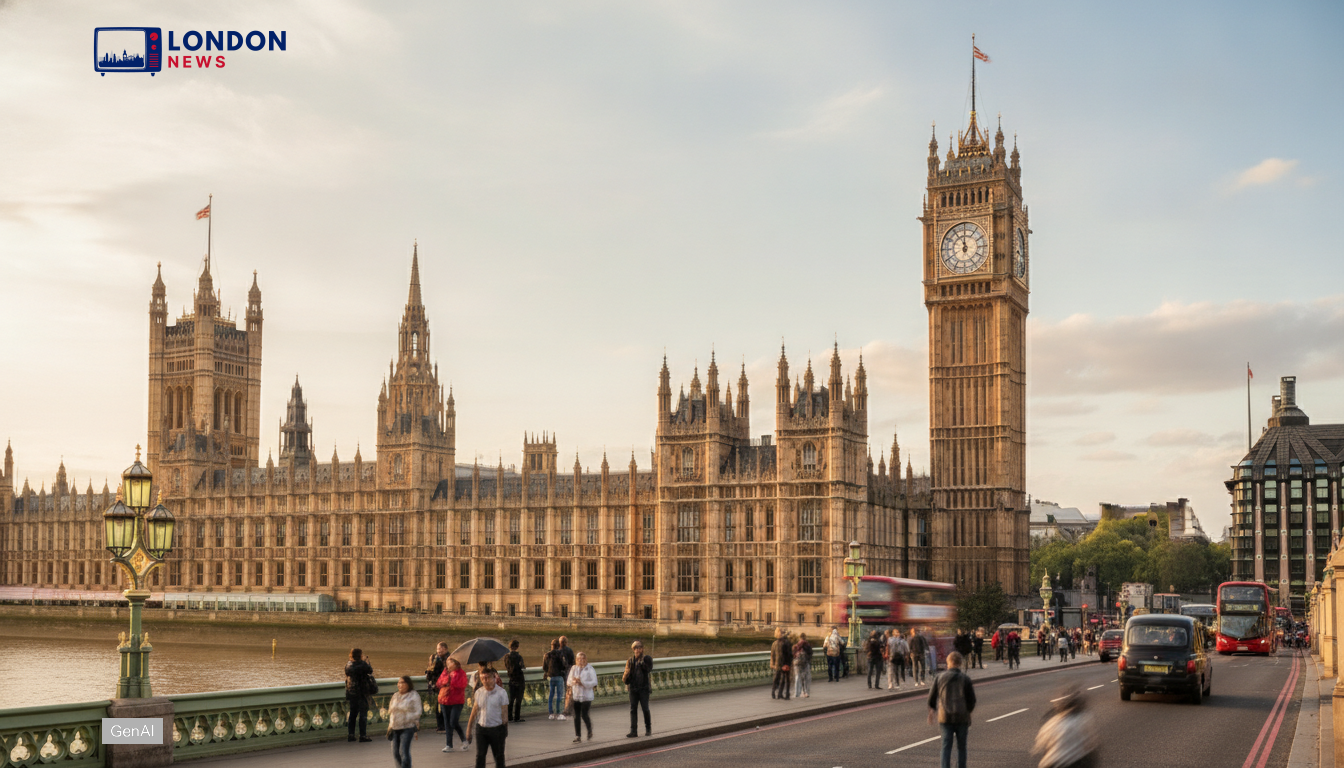
UK heatwave Sadiq Khan guidance: what to do in London now
In recent hot spells, guidance has typically focused on practical steps Londoners can take during high temperatures: stay hydrated, avoid strenuous activity in the hottest hours, check on older neighbours, and plan travel to reduce time on exposed platforms and roads. City Hall messaging is often framed around using shaded or cooler indoor spaces and watching for signs of heat exhaustion. This is based on common public-health advice, and uk heatwave sadiq khan guidance is frequently repeated in that context. Political headlines have also circulated alongside the weather story, with reports that Sadiq Khan has been named among 26 new peers entering the House of Lords. While any peerage would change his formal platform, the immediate public focus during a heatwave remains day-to-day safety, transport reliability, and clear advice that can be followed quickly across London.
How City Hall channels share heatwave advice
City Hall and London transport partners usually rely on coordinated updates so travel, policing, and health messaging do not conflict during hot spells. This is reflected in the way these agencies generally communicate during service disruption. The Lords announcement referenced in coverage is presented as appearing via the UK Parliament written statements feed in a notice accessible via UK Parliament written statements listing new peers, and uk heatwave sadiq khan guidance is often presented as operational. This includes reducing disruption risks on the network, encouraging passengers to carry water, and prompting employers and schools to consider flexible routines where possible. Readers tracking the broader weather context can also see UK heatwave 2026 doubles sunshine hours across Britain for background on conditions.
What a Lords role could change for London heat messaging
If Khan does enter the Lords as indicated by reports, some commentators, according to available reports, suggest party strategists may see it as a way to strengthen Labour voices on city governance. However, that interpretation is not an official statement of intent. A seat in the upper chamber could, in principle, affect how quickly London concerns are raised in Westminster when heat events strain services, including TfL operations and NHS pressure in London. Peers can question ministers, shape committee work, and propose amendments. This may offer another way to argue for funding and resilience planning that supports London during extreme heat, and for comparative context on parliamentary pressure and scrutiny, see Portugal political confidence debate grips Lisbon as PM pressed. The practical test would be whether any Lords activity reinforces city priorities without blurring accountability between City Hall delivery and national government decision-making.
The 26 new peers: what the statement is said to confirm
Coverage of the written statement says it lists 26 new peers and sets a formal record for the intake, as reflected in the linked notice. That matters because the composition of the upper chamber can influence committee expertise and how issues such as local government funding, policing oversight, and infrastructure delivery are debated. If Khan is included as reported, he would be notable for arriving with an executive record and a high public profile rather than a purely parliamentary career, and for related Westminster agenda context across chambers, readers have followed Keir Starmer’s Farewell PMQs: An End of an Era in Commons as an example of how political attention shifts between institutions. Those attributes could help elevate London resilience and public-safety topics, including preparedness for high temperatures, when Lords committees take evidence or question ministers.
What Londoners should watch next during hot spells
In the near term, Londoners will judge outcomes by whether communications stay consistent across City Hall, transport operators, and emergency services as temperatures rise, including platform and bus network conditions. The political story is secondary to whether guidance is clear, repeated through the right channels, and matched by operational decisions such as staffing and reliability on the network. If the reported Lords move proceeds, expectations may rise that he will question ministers on funding settlements and statutory powers that affect city resilience, though any specific commitments would need to be confirmed through official statements or parliamentary records. For the public, the key signals to monitor are timely updates, disruption management, and whether national government commitments translate into practical support for local planning when extreme heat returns.