Sports
2026 World Cup economics: How it will reshape cities
2026 World Cup economics is reshaping travel, trade and investment as North America prepares for an expanded tournament and cross border supply chains.

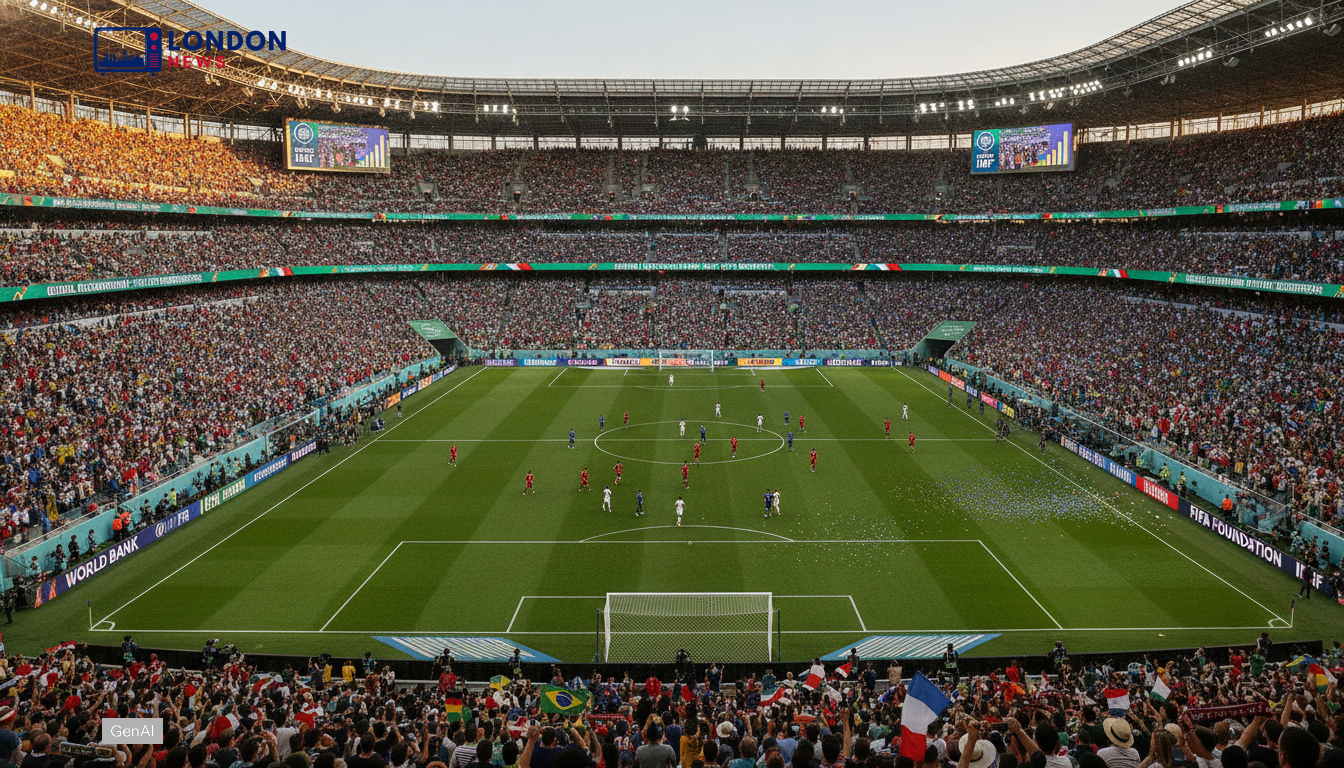
2026 World Cup economics: What changes for host cities
Host cities are viewing the tournament as both a trial for logistics and, perhaps, an occasion of global festivity. As indicated by available reports, FIFA has stated the 2026 tournament will expand to 48 teams, and materials describe a wider match schedule across the United States, Canada and Mexico. This bigger footprint might modify staffing, security procurement and temporary venue upgrades, especially if inflation and credit costs remain high. Airlines, hotels and event contractors are focusing on flexible contracts and insurance terms to hedge volatility, while banks could factor in additional risk for short-term lending. The near-term result could be a shift in capital and labour towards peak demand windows and potential surge pricing periods.
Trade friction, procurement, and why prices move
Commercial planners are reportedly budgeting around potential tariff shocks and currency swings affecting everything from broadcast equipment to stadium setups. When a tournament relies on imported technology and specialised materials, even minor delays can elevate costs and widen contingency ranges. For a European angle on preparation narratives, see Portugal Gears Up for World Cup 2026 After Final Session. Organisers cite 2026 World Cup economics when modelling ticket and hospitality pricing with wider bands than past cycles, particularly for premium seating. Cross-market attention is also wider because the football World Cup 2026 spans multiple jurisdictions, complicating tax, compliance and vendor contracts.
Tourism, policing, and the local cost of hosting
Finance ministries and tourism agencies highlight visitor spend and tax receipts, while local communities focus on rent pressure and service disruption. A tri-host footprint disperses demand across three countries, potentially diluting single city windfalls but also distributing risk if one market underperforms. FIFA has published the FIFA World Cup 2026 dates, giving airlines and accommodation providers a longer booking runway, enabling forward hedging strategies. In the UK, planners often compare crowd management lessons with urban policing debates, including coverage like Met Police phone theft: tech firms urged to block devices, since large events can expose similar vulnerabilities in public spaces. The pragmatic reaction: governments want the benefits but are preparing for overruns.
What makes 2026 different from past World Cups
Previous hosts often focused spending within a single national framework, whereas 2026 splits procurement, labour pools and regulatory compliance across three economies. FIFA has suggested the expanded field creates more inventory for sponsors and broadcasters, but it also raises operating complexity and coordination costs for transport, training sites and security. The World Cup final 2026 might command strong pricing power if corporate demand remains global and travel planning stays consistent. However, that premium also increases reputational risk if services falter. Broadcasters and brands are modelling scenarios where consumers might cut back on discretionary spending, a pattern also visible in UK retail coverage such as Frasers Group Metrocentre bid and retail expansion. The unique factor is scale interacting with cross-border friction, central to 2026 World Cup economics.
What the tournament reveals about long-term investment
The tournament is becoming a case study for how mega events function when supply chains are tight, and labour markets remain competitive, especially across the United States, Canada and Mexico. Corporate strategy teams reportedly use 2026 World Cup economics to test whether dynamic pricing, regional ticket bundles and diversified sponsorship tiers can sustain demand without causing backlash. The longer-term signal for cities is that success will be measured less by headline visitor numbers and more by whether infrastructure spending produces durable transport capacity and manageable maintenance costs. As FIFA suggests, the expanded format is intended to increase participation and commercial reach; the economic question is whether gains are shared across host regions or concentrated in a few hubs. If operational discipline holds, the legacy could be a playbook for staging large events with more realistic risk pricing.