Entertainment
Welsh cakes replacing Wimbledon scones: chef explains
A look at reports of welsh cakes replacing wimbledon scones at SW19, why organisers may tweak tea service for throughput, freshness and queue pressures, and how fans are reacting.

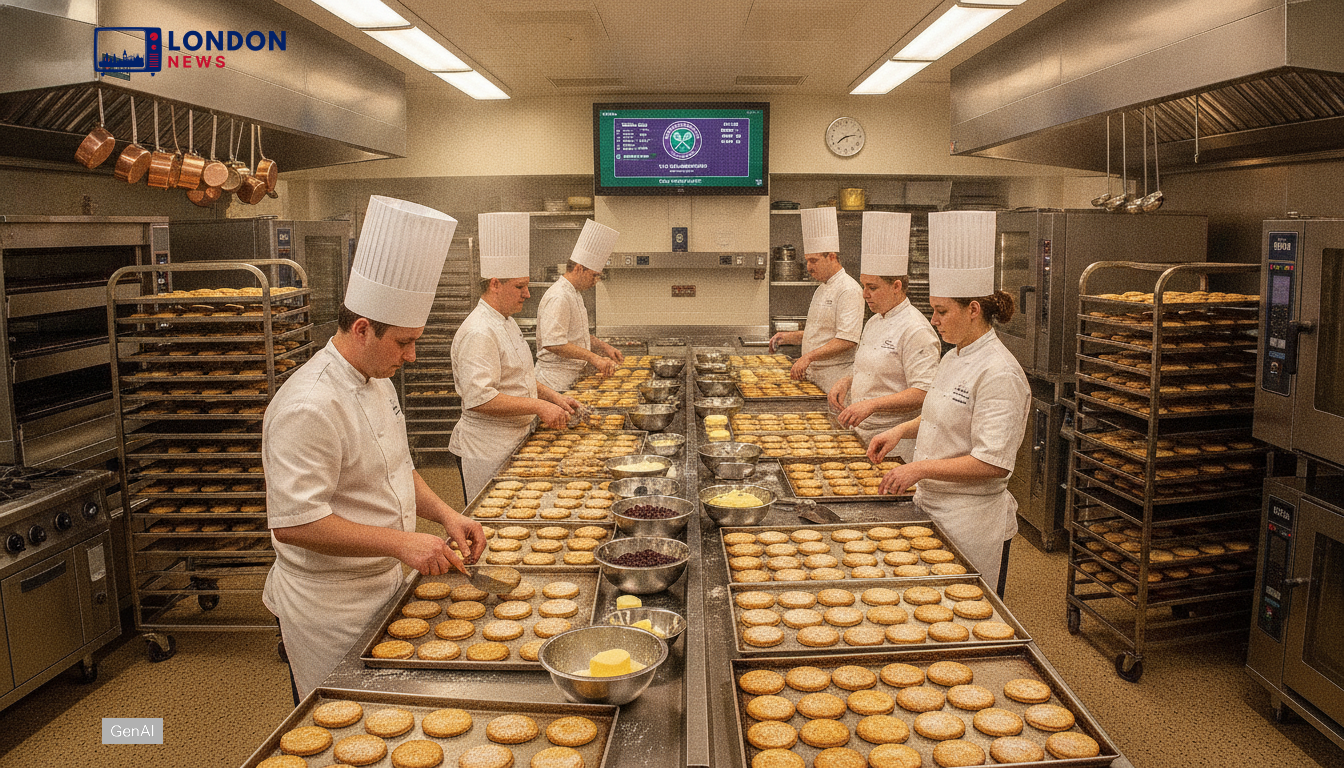
Welsh cakes replacing Wimbledon scones: what changed
According to available reports, the All England Club appears to have adjusted elements of its tea-and-bakes offer this summer, with welsh cakes reportedly replacing scones in at least some service points as a practical move aimed at speed and consistency. In coverage of the change, the chef in charge is described as presenting it as an operational decision, with the rationale generally framed around reducing waste and keeping quality steady during long days of play at SW19. With large visitor flows between courts, venues of this scale typically prioritise items that keep their texture in warm weather and travel well in trays, and Wimbledon’s shift is being discussed in that context rather than as a novelty.
Afternoon tea at Wimbledon and why traditions get tweaked
Afternoon tea remains a symbolic ritual for many visitors, even when it is eaten on the move rather than in a formal setting. Within that ritual, the question of welsh cakes replacing wimbledon scones has become a talking point because the bake sits somewhere between a griddle cake and a biscuit, changing the expected bite and portion. The debate has also landed in wider culture coverage about how institutions modernise heritage, echoed in From legal threats to ‘the worst haircut you can think of’: 25 years of The Office, and for another example of how organisations explain policy changes to the public, readers can compare EU passenger rights: Parliament backs tougher airline rules. Tea culture still matters most when the product is reliable in the stands.
Chef’s case for the switch
According to available reports, the chef has been described as framing the swap as a quality-control decision, not a rejection of English baking. The stated argument is that a griddle-cooked cake can be produced to a tighter spec across batches and may hold its crumb better through service windows in summer conditions and queue surges, claims that are presented as kitchen reasoning rather than independently verified performance data. The same coverage also suggests the choice is being pitched as inclusive of a broader UK identity by bringing Welsh baking into a tournament that draws fans from across the country. That approach mirrors how public figures defend contested choices with clear reasoning, a dynamic seen in other UK news cycles such as Harry privacy case: Prince Harry loses High Court bid. The underlying point being communicated is that consistency is meant to protect the experience for paying guests.
Fans, critics and the split between taste and symbolism
Across concourses and hospitality terraces, reaction has been described as split between purists and pragmatists, with some visitors judging the item mainly on taste and convenience. Some fans have complained that removing a staple disrupts expectations, while others say a smaller, sturdier bake fits the way people often eat between matches when time is tight. Comment pages have treated the discussion as a culture story about identity and change, not only a technical food issue, with SW19 regulars pointing to Centre Court queue pinch-points around mid-afternoon. Even so, any sense of a clear majority view should be taken cautiously, as impressions can vary by day, court area, and who is being quoted.
What happens next for Wimbledon’s tea service
The immediate test for the tournament is whether the new bake can satisfy demand across weather swings, long queues, and varied serving points without compromising taste, an outcome that would typically be reflected in sales patterns and customer feedback rather than a single day’s reaction. If feedback remains strong, welsh cakes could become a recurring fixture, while scones could still appear in settings where they can be finished and served quickly and at their best. The wider lesson, as this welsh cakes replacing wimbledon scones debate shows, is that heritage menus are increasingly judged on operational performance as much as romance, particularly at events running at high capacity. Caterers also face rising ingredient and staffing costs, which can shape what is feasible to produce at scale and hold safely through peak service.