News
Harry privacy case: Prince Harry loses High Court bid
High Court narrows Prince Harry claim as parts of the Harry privacy case are dismissed at this stage against the Daily Mail publisher, focusing on pleadings, time limits, and next steps.

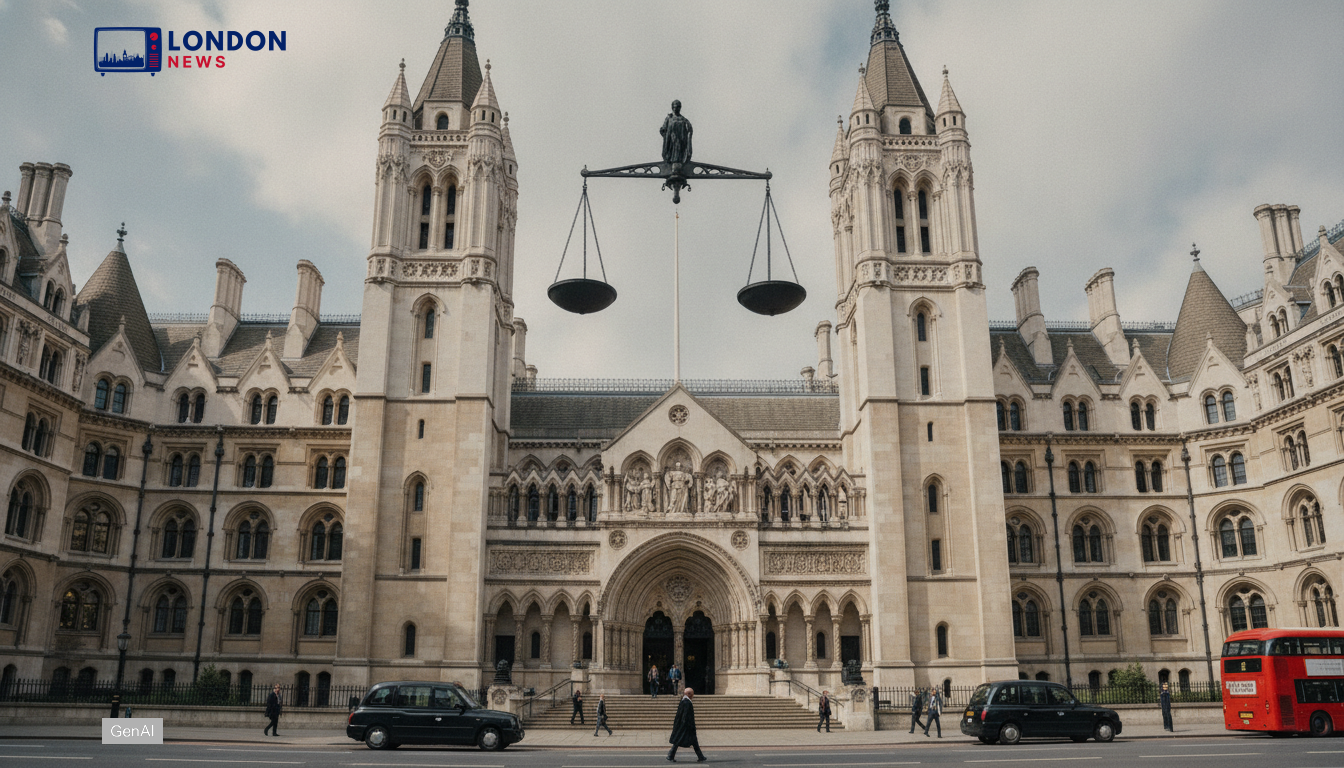
Harry privacy case: what the High Court decided
The High Court has handed down a ruling that narrows Prince Harry’s claim against the publisher of the Daily Mail and related titles. Reports indicate that the focus was on legal tests regarding what can be forwarded to later stages. The judge’s decision, as highlighted by BBC coverage, determined what could proceed now, rather than making final findings on all disputed facts. Further case management steps are expected to establish what remains active.
Key claims, evidence thresholds, and time limits
The litigation centres on allegations about how personal information may have been obtained and used. It questions whether the pleadings meet the required level of specificity, as indicated by reports on the case. Claimant’s lawyers suggested that disputed issues should be tested through disclosure and witness evidence. Meanwhile, the publisher challenged both the legal basis and the factual framing. The BBC coverage also brings up limitation periods and questions around when a claimant could reasonably have known enough to sue. For context on shifting public narratives, compare developments with Marine Le Pen candidacy 2027 reshapes France debate. Generally, civil procedure expects claims with clear particulars.
What the ruling means for UK privacy litigation
Media lawyers commented that the ruling shows how courts might handle privacy claims when contested early, before full evidence is assembled, drawing from BBC commentary. The decision’s specifics relate to whether the pleaded case linked allegations to identifiable publications, dates, and causes rather than inference. Editors and publishers may find the analysis influences litigation exposure and decisions on whether to pursue strike-out or summary judgment early on. Separate scrutiny of public institutions over accountability standards is noted, as in Andy Burnham defence plan faces MP funding scrutiny. The immediate effect, according to reports, is more about procedural direction rather than a sweeping verdict.
Public reaction and media commentary on the case
Reaction is divided between those seeing it as a check on expansive pleadings and those viewing it as a barrier to testing allegations through disclosure, according to reports around the ruling. Legal circles note that early-stage decisions can be misread as a complete win or loss, when they often decide what is arguable within the rules. Wider media discussion sometimes frames it as a proxy for tension between investigative reporting and privacy rights, though this is interpretive rather than a court finding. Reports frequently cite the BBC for anchoring debates to what was reported from the judgment rather than any speculation. Should parts of the case continue, newsroom compliance and record-keeping might become central issues.
Next steps after the High Court ruling
Prince Harry’s involvement in multiple legal actions concerning media practices creates a layered procedural background. This decision is an example of how high-profile claimants face procedural constraints within legal strategy, including limits on what can be argued without specific facts. Current rulings might interact with reputational concerns for publishers, as narrowed claims still demand resources to defend. Step-by-step court proceedings will shape which evidence and issues remain active.