News
UK weighs maximum working temperature rules in law
UK advisers urge a maximum working temperature at work as heat risks rise. The proposal could reshape working conditions and enforce extreme heat measures.

Advisers Urge Temperature Limits
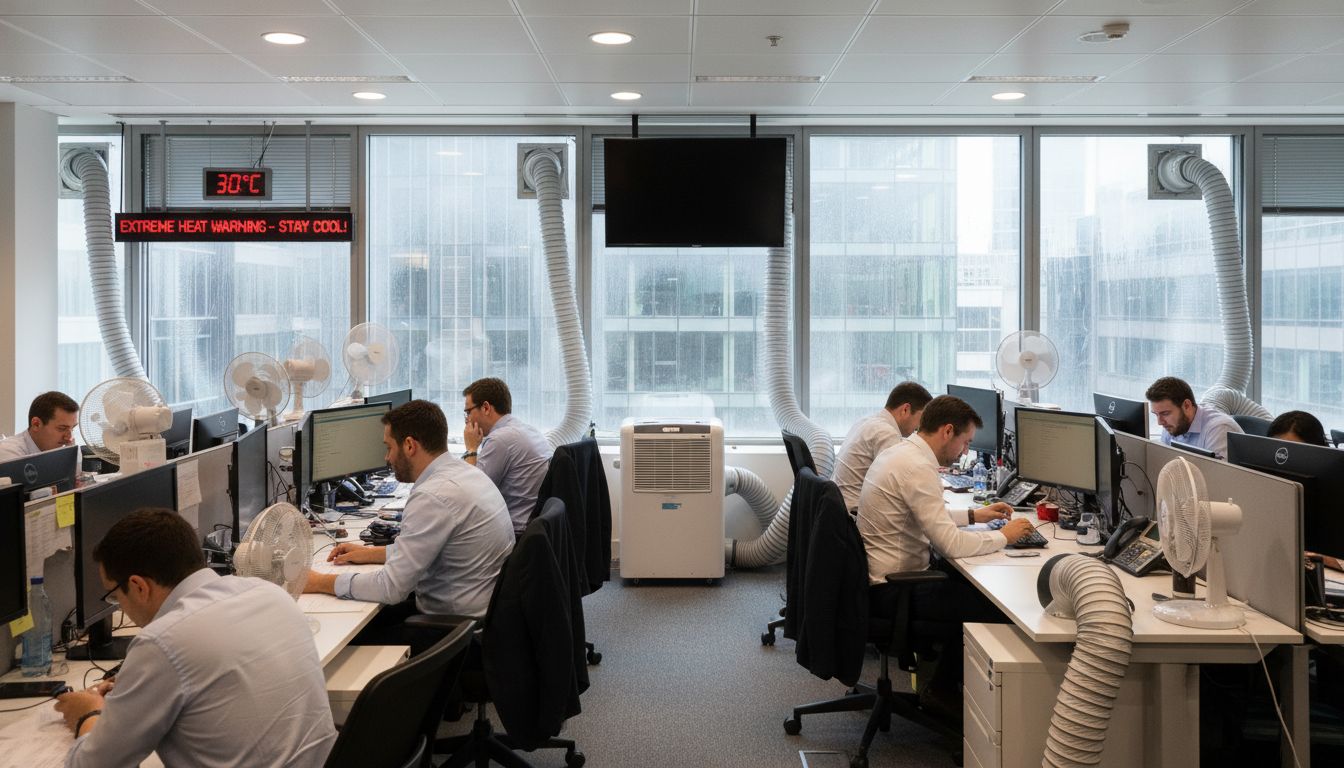
Government advisers are pressing ministers to consider formal temperature limits at work as hotter spells become more frequent across the UK. In their latest advice, the Climate Change Committee said policy should better protect employees during heat events, and it urged clearer expectations for employers and regulators. The committee linked the proposal to UK climate policy and to the need for enforceable protections during heatwaves. Today the debate is centred on whether a legal maximum working temperature would make enforcement simpler than relying on general duties of care. Live discussions between business groups and unions are also focusing on how any threshold would work across sectors. Another Update is expected when ministers respond to the committee’s recommendations.
The Impact of Extreme Heat
Employers are being reminded that extreme heat measures already sit within health and safety law, but guidance can be hard to apply in real workplaces. The Health and Safety Executive states that there is no legal maximum temperature in UK workplaces, and it advises employers to assess heat risk and control it where reasonably practicable. For readers asking is there a maximum working temperature, the current position is that the law relies on risk assessment rather than a fixed cap. A related consumer cost debate is also running through Westminster, highlighted by BBC coverage in the fuel duty freeze extension as hotter weather affects transport and logistics. Today unions argue that Live conditions on shop floors and building sites require faster action. Another Update is expected from regulators on summer enforcement priorities.
Comparing Global Temperature Norms
Ministers are also being urged to look at how other countries handle heat at work, especially where indoor factories and outdoor construction are both covered by clearer standards. A recurring point in briefings is that the UK could borrow approaches that trigger rest breaks, hydration requirements, or reduced workloads when temperatures pass defined points. That cross border conversation has been echoed in wider global reporting, including Estonia Drone Incident Raises Nato Air Patrol Stakes, as governments juggle security and resilience planning at the same time. In this context, the push for a maximum working temperature is being framed as a practical resilience step rather than a symbolic target. Today officials want rules that can be applied Live during rapidly changing conditions. Another Update is expected as departments gather evidence from employers.
Implementing Safety Measures
Any move toward a statutory cap would still sit alongside immediate controls that can be put in place without new legislation, including ventilation checks, shading, and shift changes. The Health and Safety Executive advises managing heat risk through assessment, and ministers are being asked to clarify when inspectors should expect to see formal heat plans in high risk sectors. Policy teams are also watching how heat interacts with other pressures on households and services, including food costs and staffing gaps. That broader squeeze has been covered in Ministers press supermarkets to curb UK food costs reporting, which has kept affordability in the political spotlight. In workplace terms, the maximum working temperature proposal would likely require clear measurement rules and sector specific guidance. Today managers want Live clarity on what counts as compliance. Another Update is expected on whether a single threshold or multiple triggers will be preferred.
Public and Business Responses
Business groups are signalling that any legal threshold must account for different building types, protective clothing, and humidity, not just air temperature. Trade unions are arguing that clarity will reduce disputes and help workers report unsafe conditions without fear of losing hours. Ministers have not set out a draft bill, but the committee’s advice has kept the issue on the agenda as summer planning ramps up in London and across the UK. The continuing argument is about enforceability and whether current guidance is sufficient when heat arrives suddenly and lasts for days. Today, public concern is also being shaped by memories of recent heat alerts and the way transport and services struggled to adapt. Live public messaging has shifted toward preparedness rather than treating heat as a rare anomaly. Another Update is expected once government departments publish their response and any consultation plan.