Politics
John Swinney returns as Scotland’s first minister
Holyrood confirmed John Swinney first minister again after a parliamentary vote, setting the tone for priorities, pressure points, and the next term.

Swinney’s Path Back to Leadership
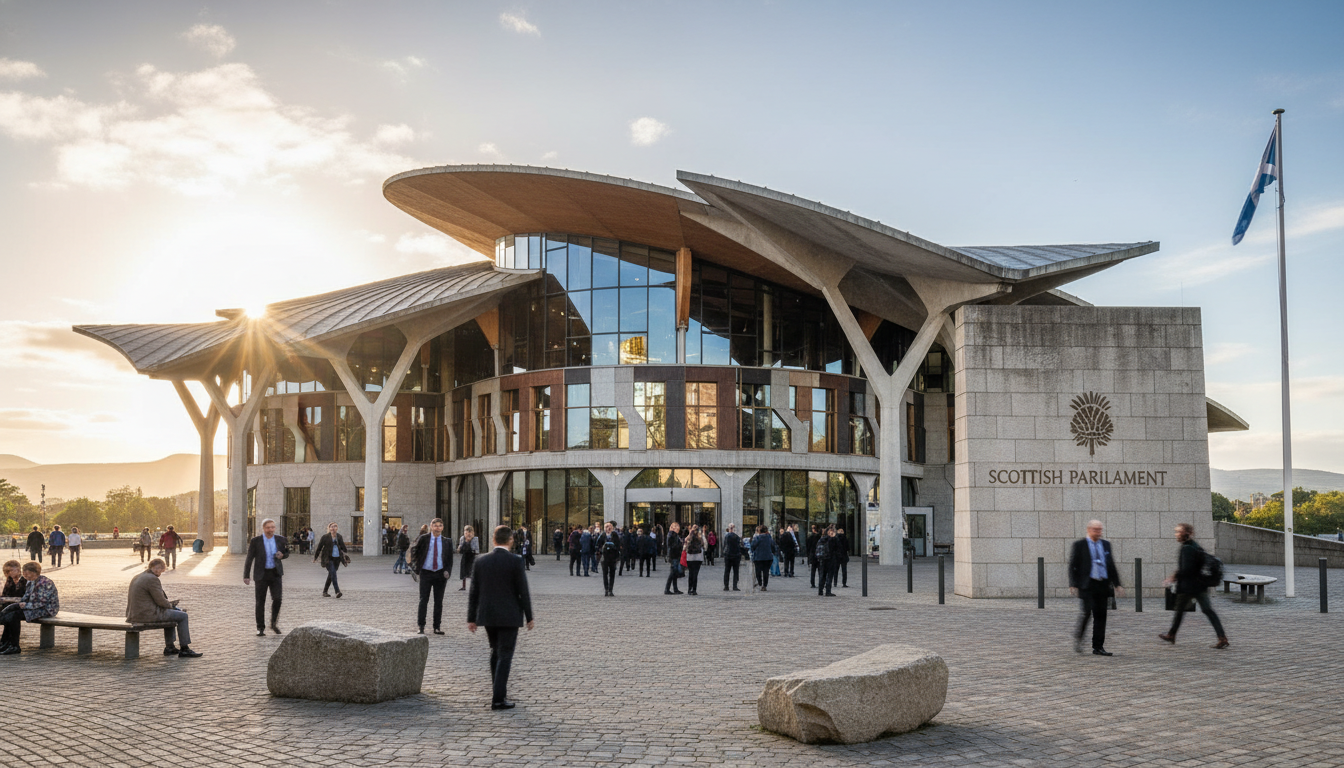
Holyrood has confirmed a new administration after MSPs backed John Swinney for the top job, putting an abrupt leadership contest into a formal parliamentary decision. In the chamber, John Swinney first minister became the defining phrase of the day as the result was recorded and the appointment process moved forward. Today the vote reset the government at a moment when scrutiny is intense and patience is short on delivery. Live coverage from Parliament focused on the numbers and the tone of the debate, with parties using their speaking time to frame what comes next. The first immediate test is turning a narrow political moment into a stable working majority inside the parliament.
Key Policies Expected from Swinney
The new first minister faces early pressure to show what changes in practice, not just in messaging, beginning with programme priorities set out after the vote. In the same sitting, ministers signalled that an early Update to parliament will set timetables for policy bills and spending decisions. For context on how parliamentary scrutiny can shape fast moving policy arguments, the Westminster example on House of Commons Library obesity statistics shows how evidence is pulled into debate. Today, attention is also on how the government handles public service performance and budget trade offs while holding the SNP group together. Live briefings from ministers will be judged against clear milestones on delivery.
Reactions Within the SNP and Opposition
Inside the SNP, the immediate reaction has been disciplined, with senior figures emphasising unity and fast decision making after the leadership change. Opposition parties used the session to sharpen their lines for the months ahead, linking the change at the top to public concerns over outcomes and accountability. For a snapshot of how leadership shifts can collide with wider national security headlines, one unrelated but widely read item is Moscow region hit as Ukraine drones expand reach, which also drew attention during corridor interviews. Debate also revived the secondary question, is john swinney still first minister, which is now settled by the parliamentary vote and the formal steps that follow. Today, party managers are watching for any signs of dissent in committee work, where margins can matter. Live media lines will be tested as the new government faces its first set piece statements.
Challenges Facing Swinney’s New Term
The government inherits a crowded agenda that leaves little room for early missteps, with immediate choices on parliamentary time, negotiations, and the tone set with opponents. A central challenge is keeping focus on measurable outcomes while managing daily controversy, including how ministers communicate when difficult data lands. Separately, readers tracking how institutions handle sensitive information may compare the pressure here with NHS record access scandal raises fresh privacy fears, a reminder that governance failures can reshape political agendas. In this environment, john swinney first minister vote becomes more than a headline, because it anchors expectations for how authority will be used. Today, officials across departments are preparing briefings for the first minister that turn campaign style commitments into deliverable plans. Live scrutiny will come through committees and press conferences, where small contradictions can expand quickly. An Update on legislative sequencing is expected to land soon.
What This Means for Scotland’s Future
With the appointment confirmed, the political question now is whether the new term changes outcomes quickly enough to shift public confidence before the next major electoral tests. The first minister of scotland will be judged on delivery, not simply on party management, and the government must show it can move from internal transition to external results. Today, senior ministers are expected to set out how they will work with the wider parliament, including where compromise is possible and where red lines remain. Live coverage will track early decisions on parliamentary scheduling and the handling of contentious motions, because those are the first visible signs of control. A second Update later in the initial period will likely focus on whether promised reforms are on track and whether rhetoric matches implementation. The overall direction depends on building credibility across the chamber and beyond it.