Tech
Musk-Altman trial: Musk role, claims and fallout
In the Musk-Altman trial, Elon Musk and Sam Altman faced sharp questioning as filings, testimony and industry reactions reshaped the court case.

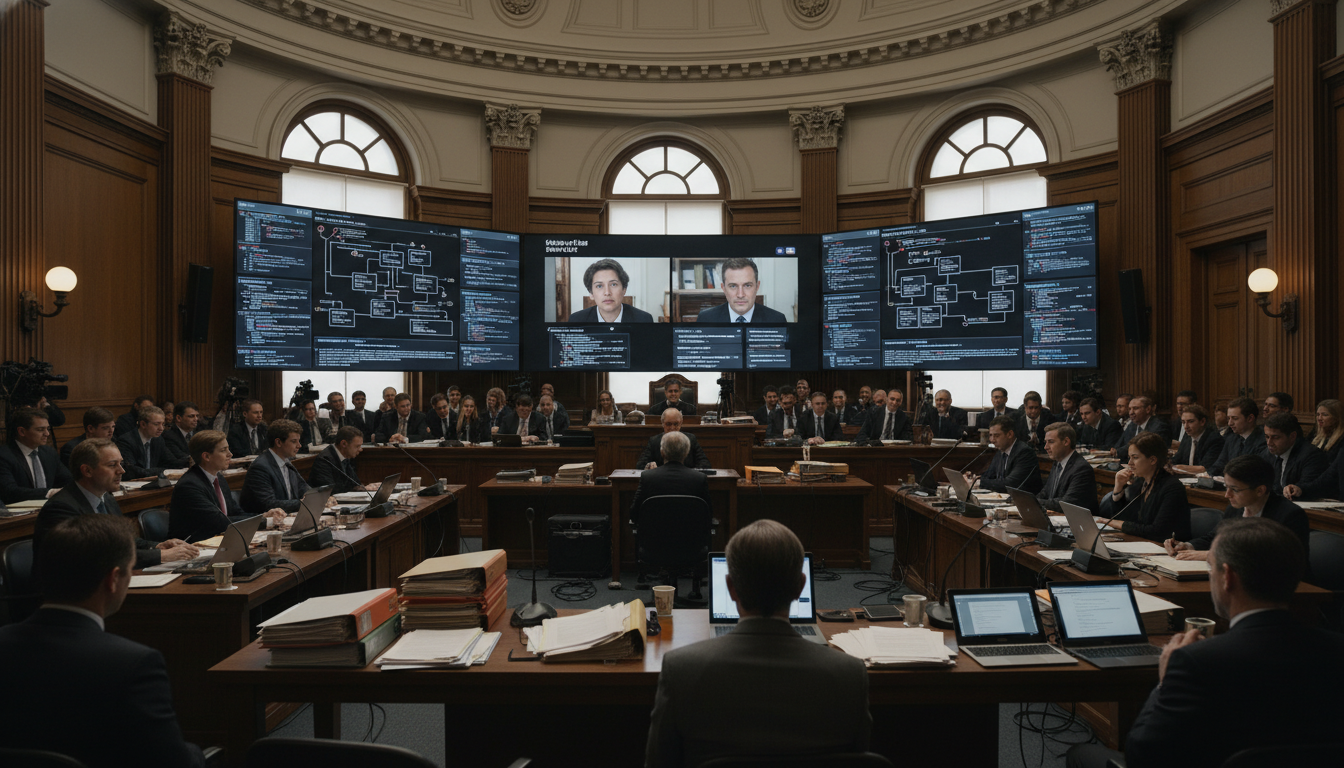
Courtroom Drama Unfolds in Tech Trial
Today the hearing moved quickly from procedural motions to pointed exchanges over emails, governance documents, and the scope of discovery requested by both sides. Court staff confirmed on the record that the judge set a tight briefing schedule for the next round of filings, with counsel asked to narrow disputed exhibits. In the middle of that scramble, the Musk-Altman trial became less about personalities and more about how board level commitments are documented when a lab grows into a commercial platform. Live transcripts showed repeated objections over foundation intent versus later product strategy. The court also ordered parties to confer on redactions to protect sensitive technical and investor information before additional materials are unsealed.
Musk and Altman’s Legal Battle Explained
Elon Musk’s attorneys argued that early representations created enforceable expectations about mission alignment, while Sam Altman’s side framed later decisions as lawful governance choices under existing corporate structures. Today the judge pressed both teams to define what counts as a promise versus aspirational language, and the discussion stayed focused on the court case record rather than public statements. For a parallel example of how UK courts weigh emerging technology questions, legal analysis on Legal status of NFTs in the UK, outlook for 2026 Legal status of NFTs in the UK, outlook for 2026 shows how documentation and intent can collide. Live coverage also tracked disputes over which communications must be produced. An Update from the clerk confirmed a deadline for a joint discovery plan and a separate timetable for expert disclosures.
Key Testimonies: What We Learned
Testimony centered on how decision makers described safety, funding, and control when negotiating partnerships, and counsel repeatedly directed witnesses back to contemporaneous notes. Today the Musk-Altman trial featured detailed questioning on which internal approvals were sought for commercialization steps and how leadership described oversight mechanisms at the time. One witness described a workflow for documenting board discussions, while the opposing side challenged whether that documentation matched subsequent actions. Live observers noted the judge’s emphasis on precision when witnesses referenced timelines, asking them to tie statements to specific exhibits. In a separate technology accountability thread, TechCrunch reported that Tesla reveals two Robotaxi crashes involving teleoperators Tesla reveals two Robotaxi crashes involving teleoperators, a reminder that courts and regulators increasingly scrutinize how companies describe safety controls. The day closed with an Update on which witnesses will return.
Industry Reactions to the Trial’s Revelations
Executives and investors watching the tech industry read the exchanges as a signal that governance claims will be tested with the same rigor as product claims. Today several legal commentators cited the judge’s insistence on exhibit grounded answers as a warning to founders who rely on informal understandings when control rights change over time. In London, analysts who follow enforcement trends pointed to recent coverage of platform manipulation and content tracing, including BBC traces anti-immigration AI videos to abroad BBC traces anti-immigration AI videos to abroad, as part of a broader push for verifiable accountability. Live reaction also focused on reputational exposure from unsealed messages, especially where tone differs from public mission language. An Update from counsel indicated both sides are preparing arguments on confidentiality boundaries, because investors and partners may resist broad disclosure of technical and pricing details.
Future Implications for Tech Lawsuits
The immediate consequence is procedural, with tighter discovery scopes likely to limit side disputes and accelerate a merits focused schedule. Today attorneys following the docket said the court’s demand for definitional clarity could influence how future founder disputes plead reliance, damages, and remedies in mission driven entities. The tech industry is also absorbing how judges treat redactions, since unsealing can reshape negotiations even before any final ruling. Live watchers highlighted that the most consequential passages were not sound bites but carefully dated documents that can be authenticated and contextualized. Another Update is expected when the parties file their joint proposal on what remains contested, which should clarify whether expert testimony will pivot toward governance practice, technical safety representations, or both. Whatever the outcome, filings are likely to become a template for the next wave of founder conflict litigation.