Politics
PM Stays Put as Pressure Builds and Burnham Acts
UK Prime Minister refuses to resign amid political pressure as Burnham pushes Labour change, shaping party tensions and public reaction in Britain now.

Prime Minister Faces Mounting Pressure
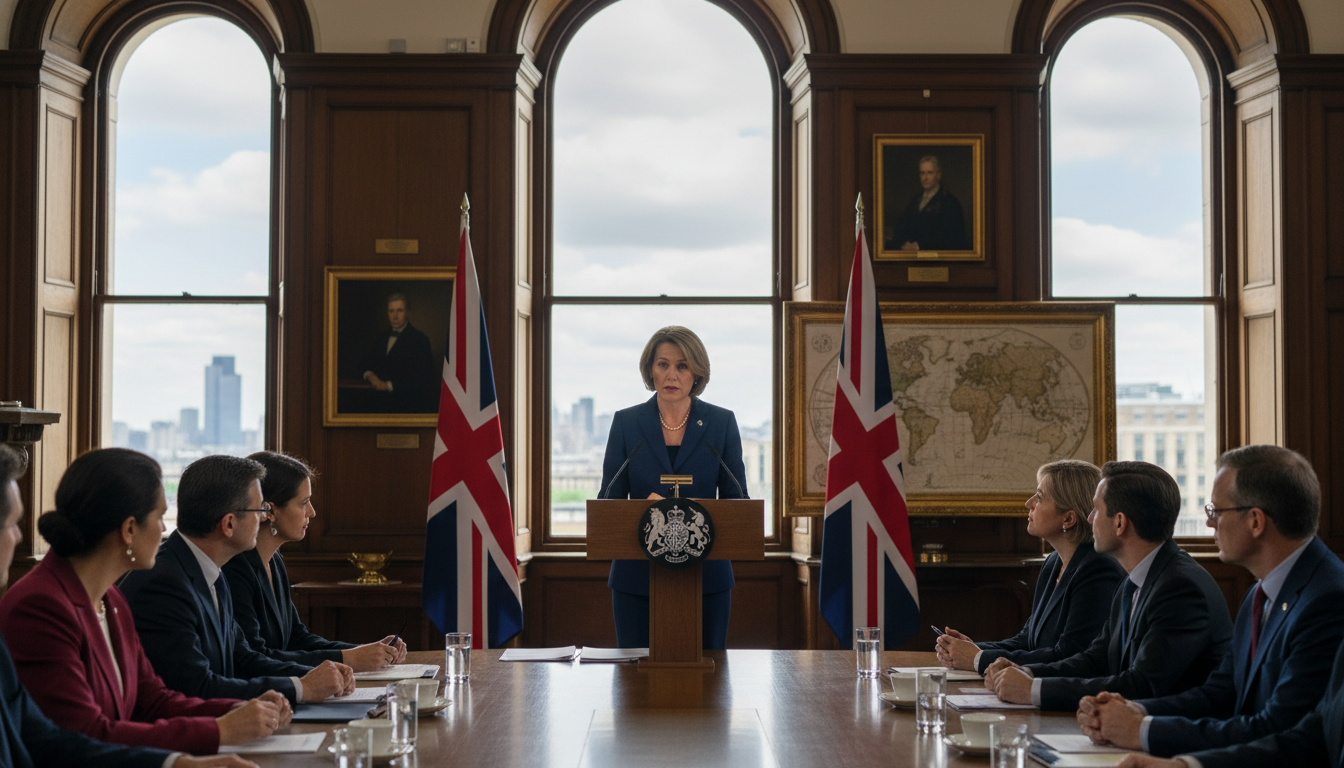
Westminster saw a sharper tone Today as MPs and party figures pressed for clarity on leadership after a turbulent week of briefing and counter briefing. In a televised statement, the UK Prime Minister said he would not walk away and argued that stability mattered more than internal drama. The Prime Minister’s office declined to provide a timetable for any confidence process, but confirmed the government would keep pursuing its legislative programme. Live reaction in the Commons focused on whether ministers will stay aligned through the next votes. A formal Update from the party whips was not issued, yet multiple backbenchers described the mood as brittle and unforgiving. The day ended with ministers insisting business would continue.
Burnham’s Plans for Labour: A New Direction?
Across the aisle, Burnham used a speech Today to frame Labour change as a promise of organisational reform and stricter discipline around candidate selection. He positioned the pitch as an answer to voter frustration, while avoiding policy detail beyond pledges on standards in public life. For context on how Parliament is tracking public expectations on unrelated national issues, a recent committee item on PAC comments on MoD correspondence shows the scrutiny climate. In a Live clip carried by national broadcasters, Burnham said the party needed to become harder to ignore in marginal seats and more rooted in local campaigns. An Update from Labour aides later emphasised campaigning professionalism.
Internal Party Tensions: What’s Next?
Inside the governing party, political pressure is now being channelled through private meetings, with senior figures urging a tighter message discipline and fewer anonymous briefings. Several MPs told the BBC that constituents were asking for competence rather than constant leadership intrigue, and broadcasters kept the dispute in Live segments through the afternoon. The pressure has also revived debates about how parties respond when public trust erodes, a theme echoed in domestic accountability stories such as Trump Xi talks end with few deals confirmed so far as an example of leaders managing expectations under scrutiny. Against that backdrop, the UK Prime Minister continues to bet that visible governing activity will outweigh internal criticism. An Update from party staff signalled more regional visits, not more votes.
Public Reaction to the Political Standoff
Outside Westminster, the standoff is cutting through because it collides with daily concerns on prices, public services, and competence, rather than ideology. Analysts on Sky News said Today that trust is being tested by the tone of the argument, with voters increasingly impatient about process. Live phone ins also highlighted fatigue with staged confrontations, while local organisers reported higher interest in community meetings than in party rallies. The UK Prime Minister faces the risk that even supporters begin to treat the dispute as a distraction unless delivery is visible and measurable. A parallel story about pressure in public institutions, covered in BBC stress test raises pressure on UK Eurovision act, underlined how quickly reputations shift under modern scrutiny. The latest Update from polling experts focused on volatility rather than a settled swing.
Possible Outcomes and Future Implications
The immediate consequences hinge on whether party managers can keep votes locked down and prevent the issue from consuming the legislative calendar. Commentators at the Financial Times wrote Today that markets watch for coherence, even when policy direction is unchanged, because instability can stall decisions across government. Live coverage will keep returning to whether ministers align their language and whether local party organisations calm down. The UK Prime Minister is presenting persistence as a governing virtue, but persistence can also harden opposition if colleagues feel unheard. Meanwhile, Burnham is trying to convert Labour change into a disciplined offer to voters, not just a rebuke to rivals. An Update from parliamentary scheduling will be the next concrete signal of whether normal business resumes. If it does, the political fight may shift from survival to competence.