Politics
Labour Leadership Race Ignites After Resignation
Labour leadership race intensifies after Wes Streeting resignation, sharpening scrutiny on Keir Starmer and deepening factional strains across Westminster.

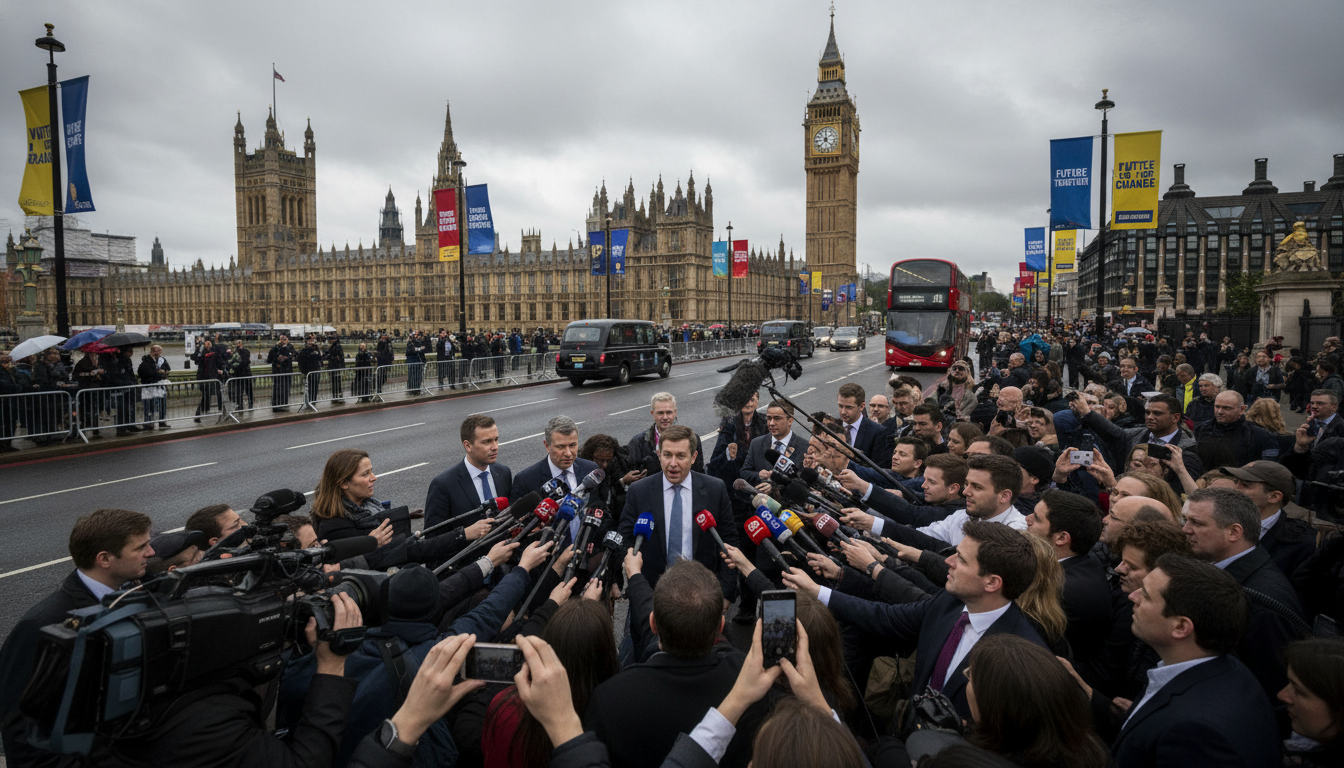
Wes Streeting Resigns: A Crisis Unfolds
Westminster moved quickly after Wes Streeting resignation landed in MPs inboxes this morning, prompting a rapid internal scramble over roles and message discipline. Today the leadership office sought to project steadiness while senior figures privately acknowledged the decision has opened an immediate vulnerability in the shadow front bench. The Labour leadership race became a talking point in the Commons tea rooms as competing camps tested lines for broadcast and social media. A Live atmosphere took hold among lobby journalists tracking who would be sent out for interviews and who would be kept away from cameras. By mid afternoon, an Update from party aides stressed continuity and denied any policy reset, while acknowledging the communications burden had grown.
What This Means for Keir Starmer
Keir Starmer now faces a sharper test of authority, because the resignation forces choices about loyalty, competence, and factional balance in a compressed timetable. Today the party briefed that Starmer will address colleagues in a closed meeting, a point noted by journalists in the parliamentary lobby. An Update on how Labour handles discipline will also matter for voter confidence, as the party sells itself as a government in waiting. Attention in Westminster politics has also turned to whether Starmer uses the reshuffle moment to reinforce his policy offer, as the UK Parliament news feed highlights the pace of current business such as the Debate on the Address coverage. A Live political environment rewards speed, but missteps can harden into a storyline that lasts for weeks.
Reactions from Political Analysts
Commentators have focused less on personality and more on incentives inside a parliamentary party that has trained itself to avoid public fracture. Today several analysts on BBC political programming framed the resignation as a reminder that modern opposition leadership can be destabilised by single moments of timing and media amplification. In that reading, the Labour leadership race is not inevitable, but it becomes easier to discuss once colleagues sense uncertainty at the top. A Live cycle keeps pressure on spokespeople to answer hypothetical questions they would normally sidestep, which can generate contradictions. One Update being watched is whether front bench appointments are made with an eye to quiet competence or headline impact. Wider political context also matters, including public mood on institutions and resilience themes tracked in new charts on UK economic resilience.
Potential Candidates for Leadership
Names are already being circulated in private conversations, though party figures have tried to keep ambitions off the record to avoid triggering discipline action. Today MPs aligned with different wings of the party have been sounding out colleagues about what a credible platform would look like if the situation escalates. An Update from senior organisers emphasised that any contest would depend on parliamentary numbers rather than social media enthusiasm. A Live discussion among activists is also shaping the media frame, with unions and local parties watching for signals about policy direction and candidate style. The immediate practical point is how quickly senior figures can reassure donors, councillors, and campaign staff that the party remains election ready. External observers are also drawing comparisons with other fast moving political shocks, including Kyiv Mourns Dead as Prisoner Swap Goes Ahead, as a reminder that news cycles can crowd out domestic messaging.
Future of the Labour Party
The next steps will be judged by whether the party can hold a single narrative through the week, rather than letting rival briefings define it. Today the leadership team is expected to prioritise unity language while emphasising competence and readiness for government, themes Starmer has repeatedly used in public speeches. A Live communications operation will matter as much as any formal meeting, because leadership perception often hardens before votes are counted. An Update that signals discipline, fairness, and clarity can slow the momentum of intrigue. The Labour leadership race remains a live possibility only if colleagues decide internal stability has been compromised beyond repair, and that decision is inherently political rather than procedural. For now, Labour will be judged on whether it restores focus to policy and avoids another week of self inflicted headlines.