Politics
HS2 cost rises to £102.7bn as speeds are cut
HS2 project cost estimates have climbed to £102.7bn while planned line speeds are lower, raising scrutiny of UK railways and transport infrastructure.

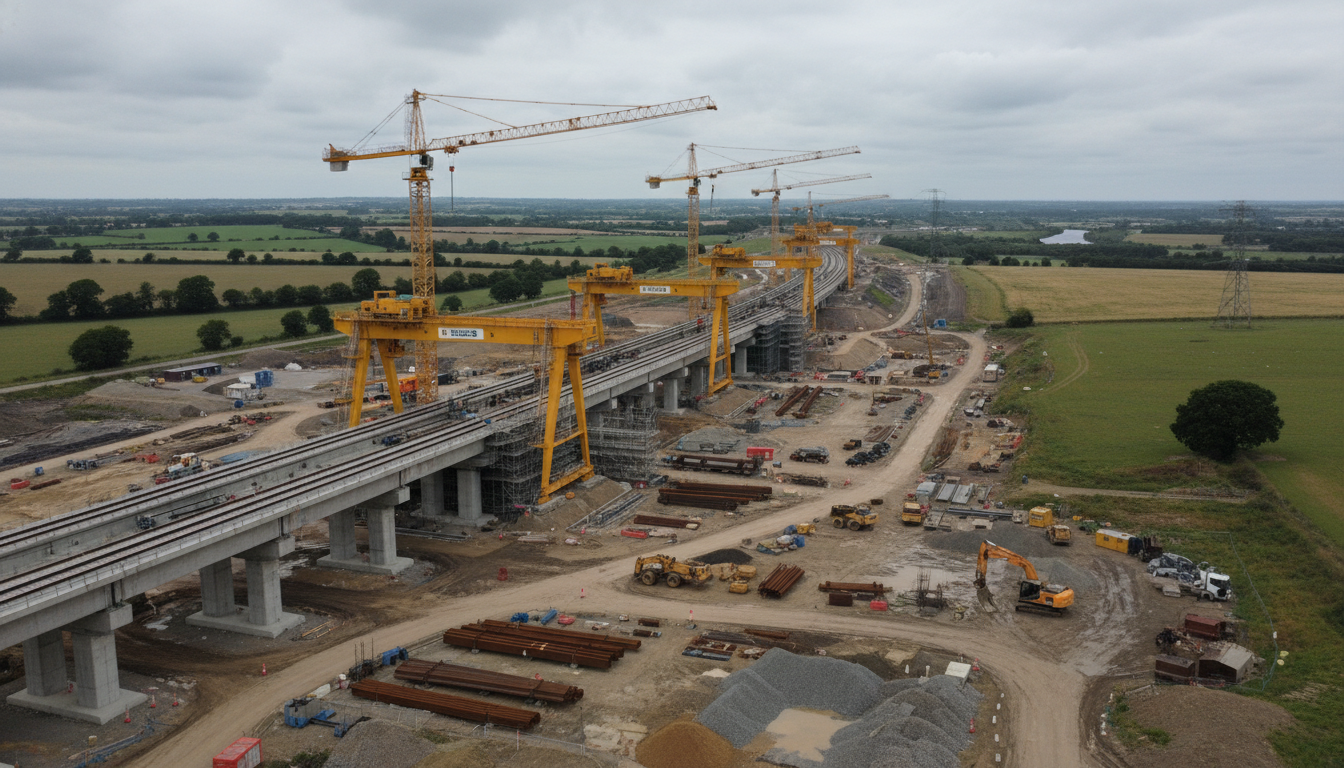
HS2 Project’s Growing Financial Concerns
Cost controls are again under pressure as official estimates for the programme move higher. In a Today briefing to MPs, the Department for Transport set out a top-end figure of £102.7bn in 2019 prices, and warned that further risk sits in ground conditions and delivery complexity. The HS2 project is now being measured against revised scope and tighter staging, which changes what ministers call value for money. Live market pricing for materials and specialist labour continues to feed into contractor tenders, according to the National Audit Office. An Update to Parliament also highlighted that land, utilities and interfaces with existing lines remain major cost drivers.
Implications of Slower Train Speeds
Speed assumptions are shifting, and that affects journey times, capacity planning and passenger expectations. The Department for Transport said some trains will run slower than first planned on parts of the route, with performance shaped by alignment choices and operating constraints. The HS2 project also faces knock-on issues for timetabling on UK railways, because paths need to mesh with classic services at key junctions. Live modelling by Network Rail is central to how these interfaces are managed, and it is increasingly prominent in ministerial papers, as readers have tracked Iran Executions Surge Amid War and Global Alarm. Today, the central question is how slower running changes benefits that were originally sold to the public.
Government’s Response to Budget and Delays
Ministers are leaning on stricter governance and a narrower delivery sequence to show traction on finances. A recent Update from the Public Accounts Committee has repeatedly pressed departments to explain how estimates translate into controllable budgets, and to set out what contingency means in practice. The HS2 project remains subject to oversight by the National Audit Office, which has previously detailed the gap between early budgets and later rebaselining. Today, the department said it will prioritise achievable milestones and clearer reporting lines for contractors and sponsors, and for an example of how industrial disputes can spill into delivery risk, see RMT cancels London Tube strikes, talks continue. Live scrutiny in committees is now as important as engineering progress on the ground.
Public Reaction to HS2 Developments
The political temperature is rising as communities weigh cost against disruption and promised connectivity. MPs with affected constituencies have used Today statements to argue that escalating totals and revised speeds undermine confidence in transport infrastructure planning. The HS2 project has been debated alongside figures such as the £102.7bn estimate in 2019 prices, as the Department for Transport has pointed to its published figures to justify changes, but opponents cite opportunity costs across local services and station upgrades. Live public meetings and consultation feedback have focused on construction impacts, noise and property concerns, while business groups emphasise reliability and added capacity. An Update in the Commons has also seen ministers challenged to explain how benefits will be measured if the timetable and operating plan keep shifting. The debate is now less about aspiration and more about concrete deliverables.
Future Prospects for UK High-Speed Rail
Next steps are being framed around deliverable sections, operational integration and credible benefit tracking. According to the Department for Transport, decisions will hinge on how revised assumptions support high-speed trains on the new line while protecting performance on the classic network. The HS2 project will also be judged on whether it unlocks upgrades elsewhere on UK railways by freeing capacity and reducing bottlenecks at busy nodes. Today, the government is under pressure to publish clearer benchmarks, including how journey time changes affect the economic case. Live programme management will need to show that risk is being priced and reduced, not simply moved into later stages. An Update on procurement outcomes and construction productivity will likely define the next phase of accountability.