Business
Ministers press supermarkets to curb UK food costs
Ministers are urging retailers to consider UK food price caps on staple groceries, with an Update on talks, enforcement options, and consumer impacts.

UK Government Encourages Price Caps
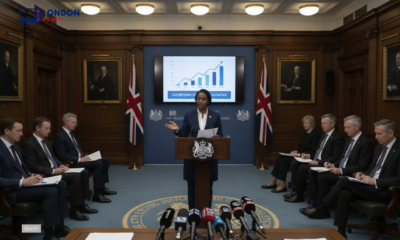
Ministers are intensifying talks with major supermarkets as household budgets remain strained and inflation pressures persist. Officials said Today that voluntary limits on essential items are being discussed alongside measures to improve price transparency at checkout, and the Live policy focus has centred on time limited UK food price caps for a small basket of basics, with retailers asked to show how savings would reach tills. In a briefing, the Department for Business and Trade said the aim is to steady costs without disrupting supply or competition. The department added that any approach would need clear terms, audit trails, and coordination with existing competition rules. An Update is expected after further meetings with retail groups and consumer bodies.
Impact on Supermarkets and Consumers
Executives warn that pricing limits can shift pressure onto margins, promotions, and supplier negotiations, especially for smaller chains. Today, officials pointed to the Competition and Markets Authority work on grocery competition, noting the CMA has previously examined how pricing practices affect shoppers and suppliers. For context on how wider cost shocks can spill into daily life, readers also tracked global disruption in Moscow region hit as Ukraine drones expand reach during the same discussions, where Live monitoring of availability and substitution is being proposed to avoid empty shelves and sudden pack size changes. The government has referenced UK food price caps as a consumer relief tool, but stressed it would not dictate across the board pricing. An Update on consumer protections is expected to include clearer unit pricing enforcement and faster complaints routing.
Key Groceries Affected by Proposal
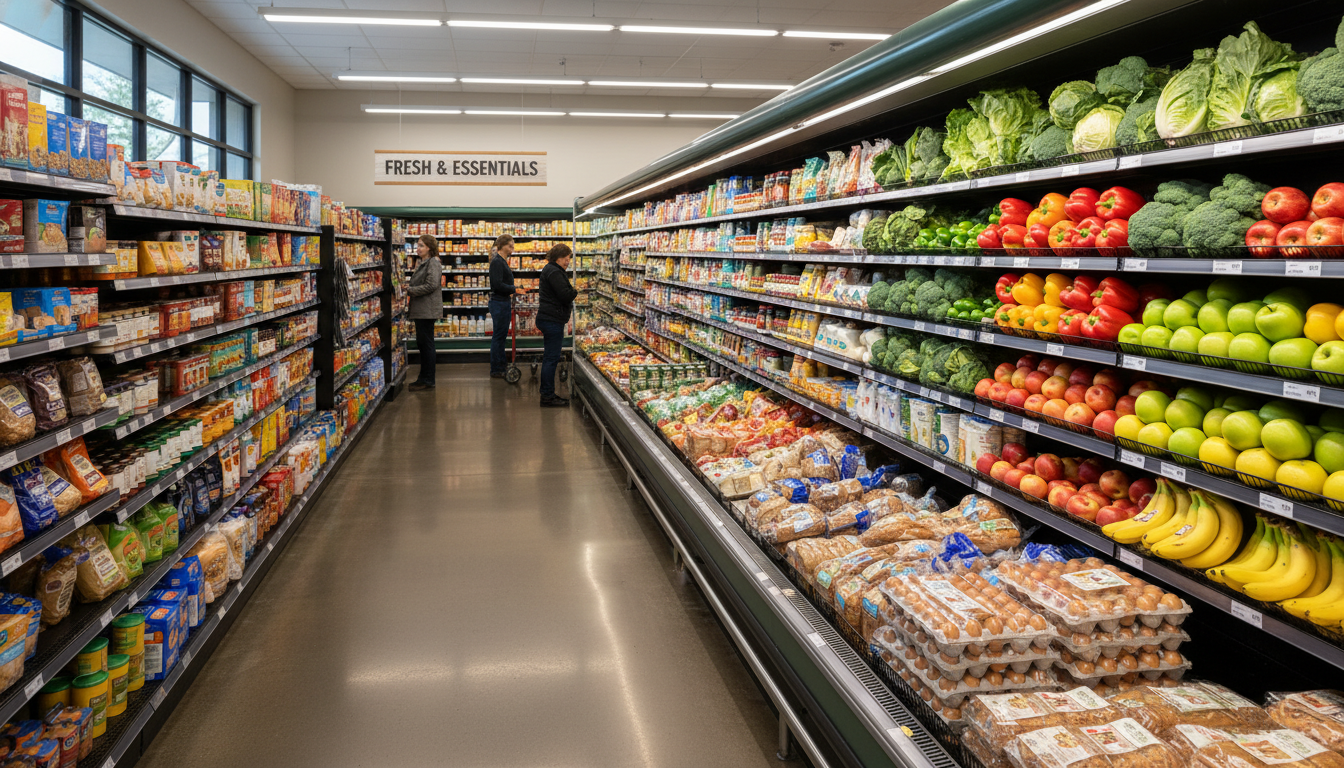
The current proposal being explored focuses on a narrow list of staples that households buy repeatedly, rather than discretionary products. Ministers said Today the initial basket under discussion includes bread, pasta, rice, milk, eggs, and selected fresh produce, with store brands prioritised to keep supply predictable. Retailers have asked for flexibility to rotate lines when harvest conditions or import costs change, according to the British Retail Consortium. For broader context on household cost strain in London, see RMT cancels London Tube strikes, talks continue as Live checks would look for unintended effects such as reduced promotions elsewhere or the substitution of capped lines with premium alternatives. An Update is also expected on how suppliers would be protected from last minute fee changes.
Comparisons with Global Practices
Officials are studying how other countries structured short term interventions during inflation spikes, while trying to avoid long run distortions. Today, policymakers referenced France, where the government encouraged retailers to cut prices on a defined set of products through agreements described publicly as anti inflation initiatives. The Live lesson highlighted by economists is that transparency and clear end dates matter as much as the headline discount, because unclear rules can reduce investment and hurt competition, and the UK discussions around UK food price caps are being framed as time bound and reviewable, with enforcement relying more on disclosure than fines at first. For a view on how concentration shapes pricing power in other markets, the BBC analysis Why does Amazon have no Western rivals? outlines how market structure can affect consumer outcomes. An Update on international comparisons is expected in the next policy note.
Reactions from Retailers and Public
Retailers are signalling conditional support for measures that preserve competition and avoid blunt mandates, while emphasising that energy, transport, and labour costs still drive many shelf prices. Today, the British Retail Consortium said supermarkets have already invested in price matching, loyalty discounts, and expanded value ranges, and wants any new scheme to be simple to administer. Consumer groups welcomed the Live focus on essentials but urged ministers to publish clear criteria for which products qualify and how compliance will be assessed. UK food price caps remain politically sensitive, with critics warning that poorly designed caps could hide costs elsewhere or reduce choice. The government says an Update will follow after it reviews retailer proposals, the CMA framework, and evidence from consumer advocates. Any final plan is expected to include a public reporting mechanism and regular review dates.