News
HS2 costs surge as slower services reshape plans
HS2 costs are rising as ministers reset the HS2 rail project, with slower train plans, tighter scopes, and scrutiny of transport costs across the UK.

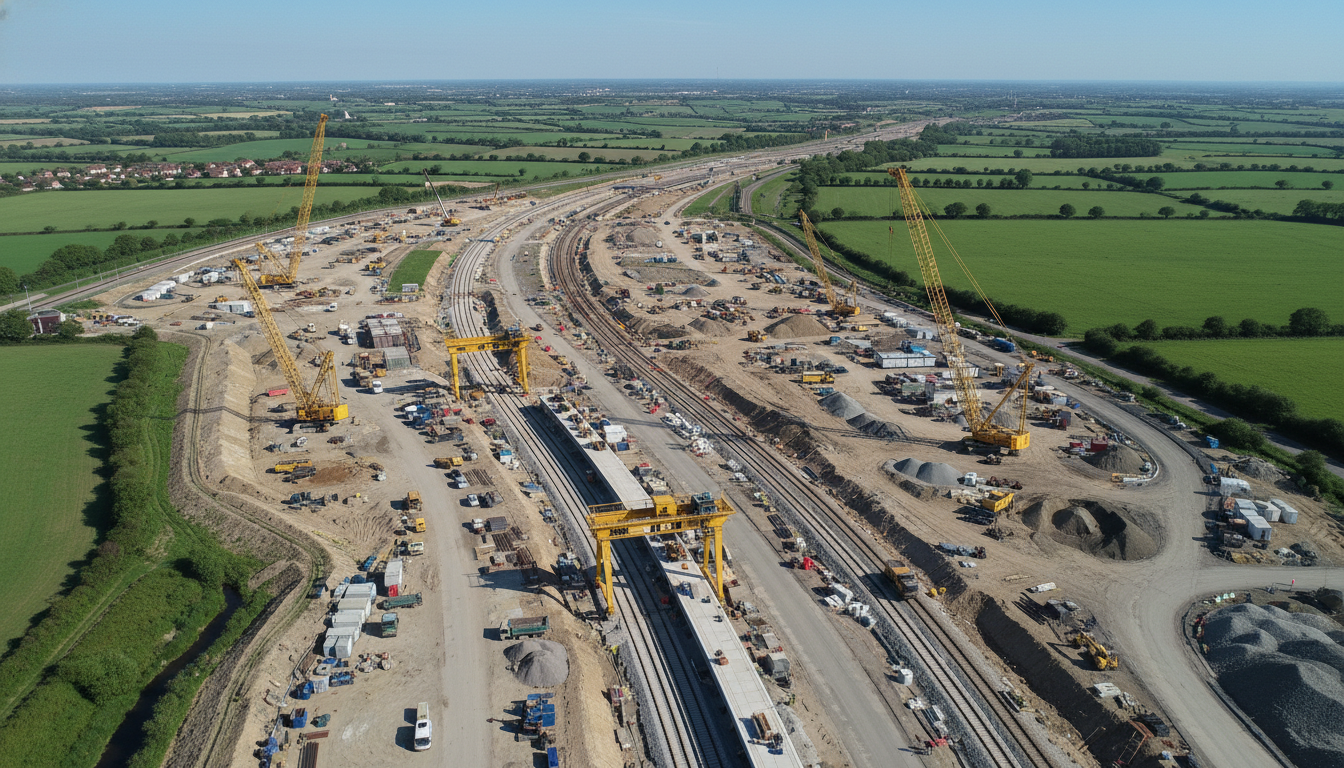
Cost Overruns Threaten HS2 Viability
Ministers are confronting a fresh round of scrutiny as cost estimates for the programme edge higher and delivery assumptions are reworked. In a briefing circulated Today to parliamentarians, the HS2 rail project was framed as facing a stark trade off between scope, speed, and affordability. The National Audit Office has previously warned about weak cost control and uncertain schedules, and MPs on the Public Accounts Committee have repeatedly challenged oversight standards. Live discussions in Westminster have focused on how inflation in materials and complex urban construction are feeding transport costs, while planners revisit contingency planning and procurement risk. The immediate political risk is that the business case narrows as each revision forces new compromises.
Slower Trains Announced as Part of HS2 Reset
The latest reset also touches the passenger offer, with planners now aligning timetables to a different performance envelope than early promotional targets. An Update issued through the Department for Transport briefing chain described speed choices as a lever to manage energy use, noise mitigation, and maintenance exposure. BBC reporting on broader UK transport pressures has highlighted how fuel and operating costs can shift assumptions, and readers can track related pricing dynamics via BBC reporting on petrol prices in the same cost climate. Live industry chatter has also compared the UK infrastructure debate to other shocks hitting public finances, including Iran Executions Surge Amid War and Global Alarm as an example of how crises compete for attention. The central message from officials is that reliability is being prioritised over peak speed claims.
Public Reaction to HS2 Delays and Costs
Public reaction has hardened as communities weigh disruption against a shifting set of benefits and completion dates. Commuter groups and business bodies have used Today interviews to argue that repeated resets undercut confidence in long term railway development, particularly when capacity relief is the headline need. An Update from passenger advocates has focused on whether the new service plan still supports regional growth and station area investment, rather than just intercity journey time savings. Live sentiment in affected corridors is mixed, with some residents welcoming slower trains if it reduces noise and visual intrusion, while others see it as another dilution of promises. For a London snapshot of labour tensions around transport, RMT cancels London Tube strikes, talks continue shows how quickly travel debates become political. The overriding complaint is that clarity arrives late and in fragments.
Government’s Justification for HS2 Adjustments
Government officials have defended the changes by arguing that engineering choices must reflect current constraints, not early era assumptions. In statements relayed to MPs Today, ministers have pointed to construction market volatility, supply chain capacity, and the need to sequence works to reduce interface risk across sites. The Department for Transport has also stressed that scope revisions aim to protect taxpayers from runaway transport costs, even if it means accepting a slower operating pattern than originally modelled. A Live emphasis has been placed on safety margins and maintainability, with advisers noting that higher top speeds can drive disproportionate costs in track tolerances, power systems, and long term renewals. The HS2 rail project is now being presented as a narrower, more deliverable railway development package, with accountability tied to measurable milestones. The political challenge is proving that the reset is a plan, not another pause.
Future Implications for UK Transport Infrastructure
The broader implication is that Britain may be entering a new phase of major project governance, where benefits are judged against resilience and deliverability rather than prestige metrics. Analysts tracking UK infrastructure policy have noted that each redesign can ripple into local planning, private investment timing, and the credibility of future rail proposals, especially after the October 2023 decision to cancel the Birmingham–Manchester leg. An Update circulated among transport economists has emphasised that uncertain delivery windows raise financing and contracting premiums, which can become self reinforcing. Live debate is also shifting toward what capacity strategy replaces lost elements, including upgrades to existing lines, station remodelling, and better integration with regional services. For the HS2 rail project specifically, the next months will test whether revised assumptions can stabilise costs and rebuild confidence in railway development delivery. If not, the precedent could chill appetite for other complex schemes.