News
UK energy prices rise again as Ofgem cap resets
UK energy prices appear to be rising as Ofgem resets the price cap. Understand why meter readings matter, what the cap covers, and ways to cut bills.

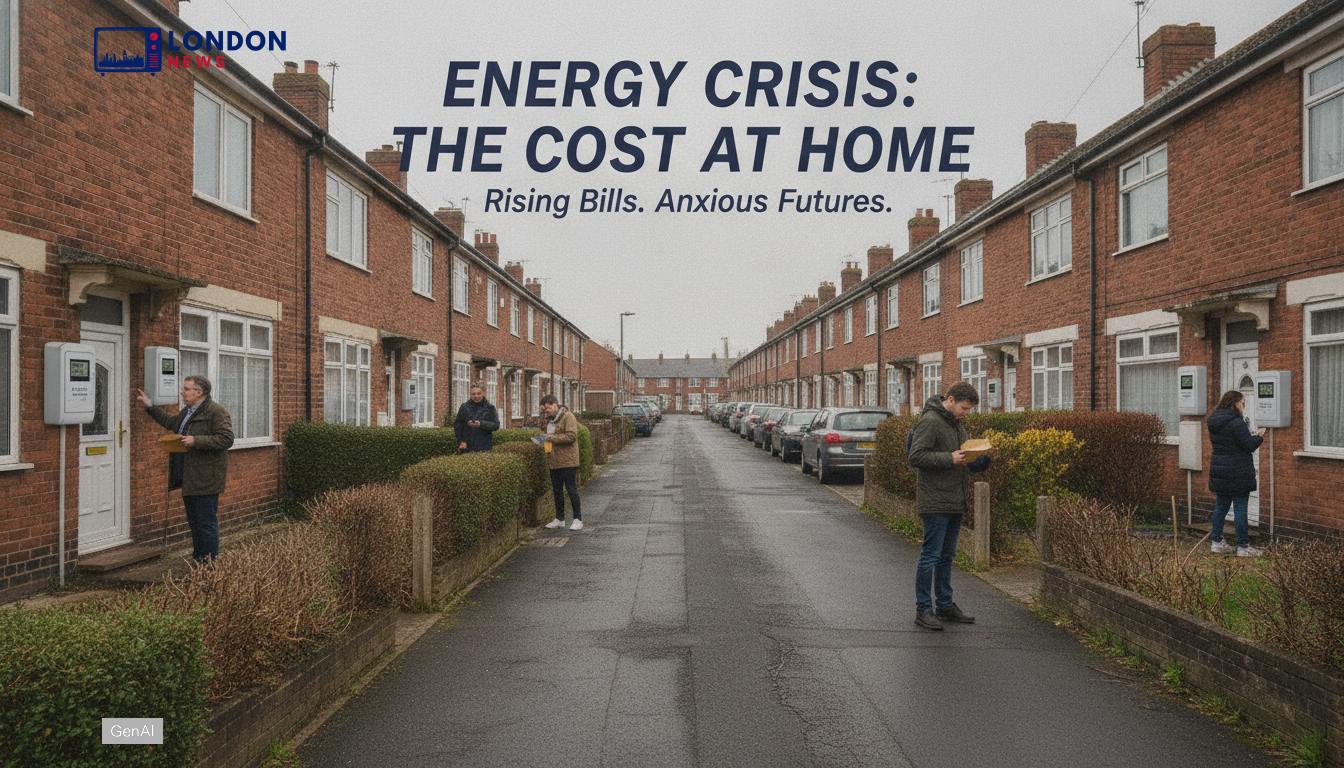
UK energy prices: what’s changing now
UK energy prices appear to be rising again as suppliers prepare new billing cycles and customers face updated unit rates and standing charges linked to the Ofgem price cap. Households are being urged to submit meter readings to avoid estimated bills that can amplify bill shocks when tariffs change. The Energy Saving Trust advises taking regular readings so charges match actual use and to reduce the risk of later catch-up bills. UK energy prices remain a concern as consumer groups say clearer communication is needed when suppliers switch from estimates to reconciled usage because that is when many people notice sudden jumps that do not reflect day-to-day consumption.
Budget strain on households
Many families are juggling rent, food and transport costs alongside energy rises, so billing surprises are hitting harder. Martin Lewis of MoneySavingExpert has repeatedly warned that estimated readings can cause shock corrections when suppliers reconcile accounts. For context on broader cost pressures, see Apple price increase nears 20% as costs keep climbing. In that context, UK energy prices are not only a headline issue but a budgeting problem that can destabilise monthly plans. Separately, readers tracking how regulation affects consumers can compare other shifts in NFT’s regulation in the UK: what changes before 2027.
Meter readings and billing accuracy
Suppliers and advice bodies are emphasising meter reading habits because they determine whether a bill reflects reality or an estimate. Citizens Advice says customers should take readings regularly, especially around tariff changes, to avoid disputes and to speed up corrections when something looks wrong. A practical routine helps: take a dated photo, keep the confirmation message, and check that the reading is recorded on your account. Regular reads also make comparisons fairer when shopping for deals because your annual consumption figures are more reliable. UK energy prices are easier to manage when usage data is accurate and consistent.
Ofgem price cap: what it covers
Ofgem sets the price cap for default tariffs, limiting what suppliers can charge per unit and as a standing charge for typical consumption levels, using a published methodology. The regulator stresses the cap is not a maximum total bill because total cost depends on how much energy a household uses, and it does not apply to every fixed deal. That distinction matters when suppliers send forecasts that can look like guaranteed outcomes rather than scenario estimates. UK energy prices can still rise when wholesale costs, network charges, or policy costs change and feed into the cap calculation.
Ways to manage rising costs
Households are responding by tightening usage patterns, checking direct debit levels, and monitoring account balances to avoid sudden arrears. Consumer guidance also highlights wider cost pressures and coping steps via https://www.bbc.co.uk/weather/articles/cjdg98g8lg8o?at_medium=RSS&at_campaign=rss. MoneyHelper advises building a realistic budget that reflects seasonal energy use, then adjusting payments so winter spikes do not create debt. Administrative steps help immediately: keep a dated photo of your meter, record the number you submitted, and save supplier confirmations in case of a dispute. If costs become unmanageable, ask suppliers early about repayment plans and support schemes.