News
Prince William electric bus arrival highlights green travel
Prince William electric bus arrival at a London climate event spotlights practical low emission travel and adds momentum to cleaner public transport.

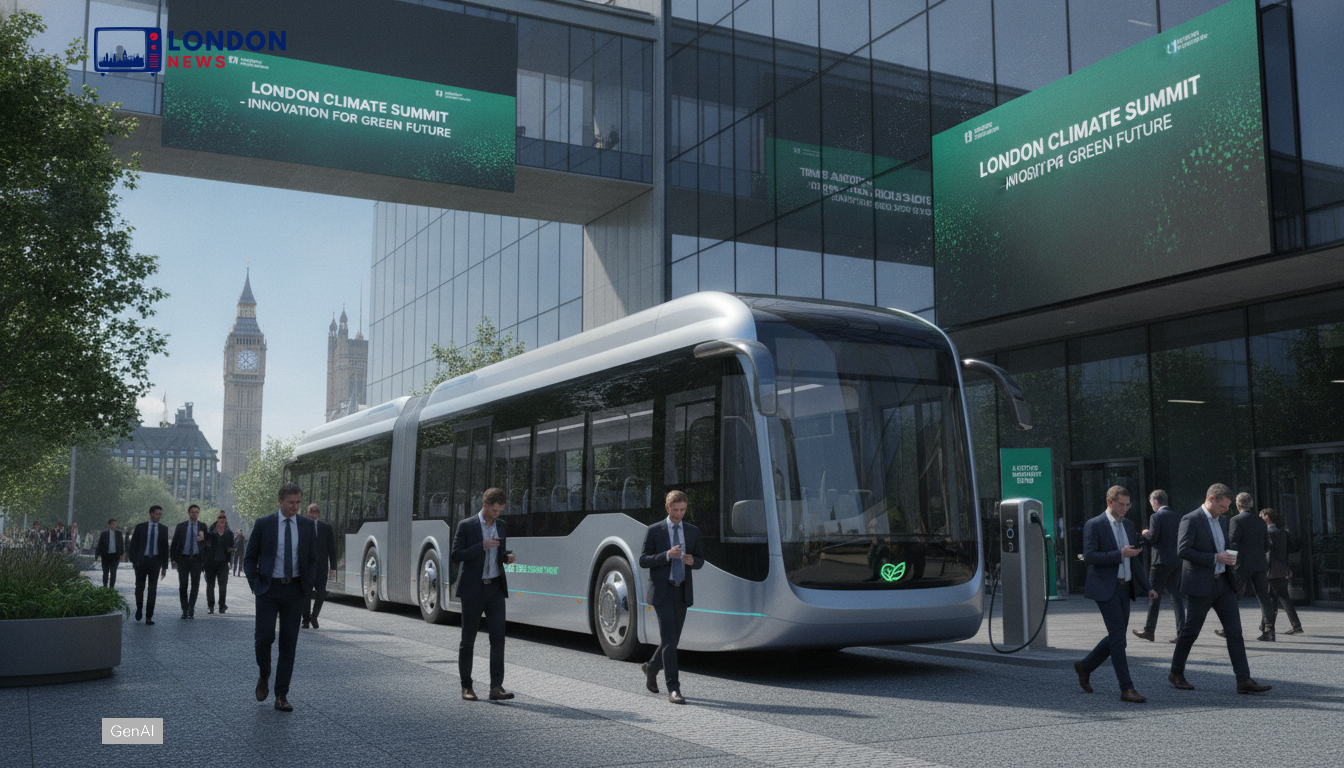
Prince William electric bus arrival at London climate event
Prince William arrived in London for a climate event after reportedly choosing an electric bus for part of the journey, a decision organisers said was intended to keep attention on practical emissions cuts. Staff on site said the arrival was tightly scheduled and focused on the day’s programming rather than ceremony. Attendees and transport campaigners suggested that, according to available reports, the Prince William electric bus choice could demonstrate how lower emission travel might become routine for high-profile engagements in central London. The moment was framed by organisers as a straightforward transport decision rather than a photo opportunity, and it set the tone for discussions that followed inside the venue on how quickly cities can cut pollution.
Why organisers highlighted greener transport choices
Event organisers said the Prince William electric bus moment was linked to a broader push for sustainable travel in London, where public and private fleets are under pressure to cut pollution quickly. A wider context for the week’s climate conversation has been the UK heatwave, covered by UK heatwave 2026: Amber alerts as temperatures near 30C, which organisers said has intensified public interest in near term measures that reduce emissions. They described the use of an electric vehicle as a visible reminder that electrification is moving beyond pilot projects into normal operations. For comparison, organisers pointed to how policy and public communication can intersect across sectors, including Energy contracts in Portugal aim to steady prices.
Royal influence and the signal it sends to operators
Speakers at the venue said royal visibility can help the mainstreaming of clean transport by making it easier for institutions to prioritise investment and procurement. In the discussion, the Prince William electric bus arrival was treated as a communications cue that can land with audiences who do not follow policy detail, while still leaving room for ministers and mayors to set budgets, standards, and timelines. They said the takeaway for operators is less about celebrity and more about normalising reliable, cleaner services on busy routes. Participants stressed that credibility depends on delivery, such as depot upgrades, charging capacity, and consistent timetables that make public transport an easy default in central London.
What London Climate Week sessions focused on
Sessions tied to London Climate Week highlighted transport as one of the most immediate levers for cutting urban emissions, particularly where routes are dense and alternatives exist, according to speakers at the venue. The BBC’s reporting on adaptation and public messaging was referenced via https://www.bbc.co.uk/news/articles/cz0j87vpz79o?at_medium=RSS&at_campaign=rss. Panelists said they focused on procurement decisions, charging infrastructure, and how operators manage reliability so that riders feel confident switching modes. Organisers said these pressures sharpen the case for lower emissions transport in major cities.
What could change next for public transport in London
Transport advocates said the Prince William electric bus appearance could help argue for faster fleet turnover and clearer public targets, adding that visibility can help sustain political will when budgets tighten. Some attendees also pointed to local politics shaping delivery capacity, linking to coverage such as Scotland by-elections: polls could be open for Westminster seats and Makerfield by-election: voters head to the polls. They noted that electric buses can reduce street level noise and improve air quality on heavily used corridors, according to campaigners and attendees. The closing comments, as described by participants, focused on measurable outcomes, performance data, and everyday, repeatable choices.