Business
China British Steel Nationalisation Dispute Intensifies
China criticises the UK move to nationalise British Steel, as tensions deepen over investor confidence, jobs, security and trade ties.

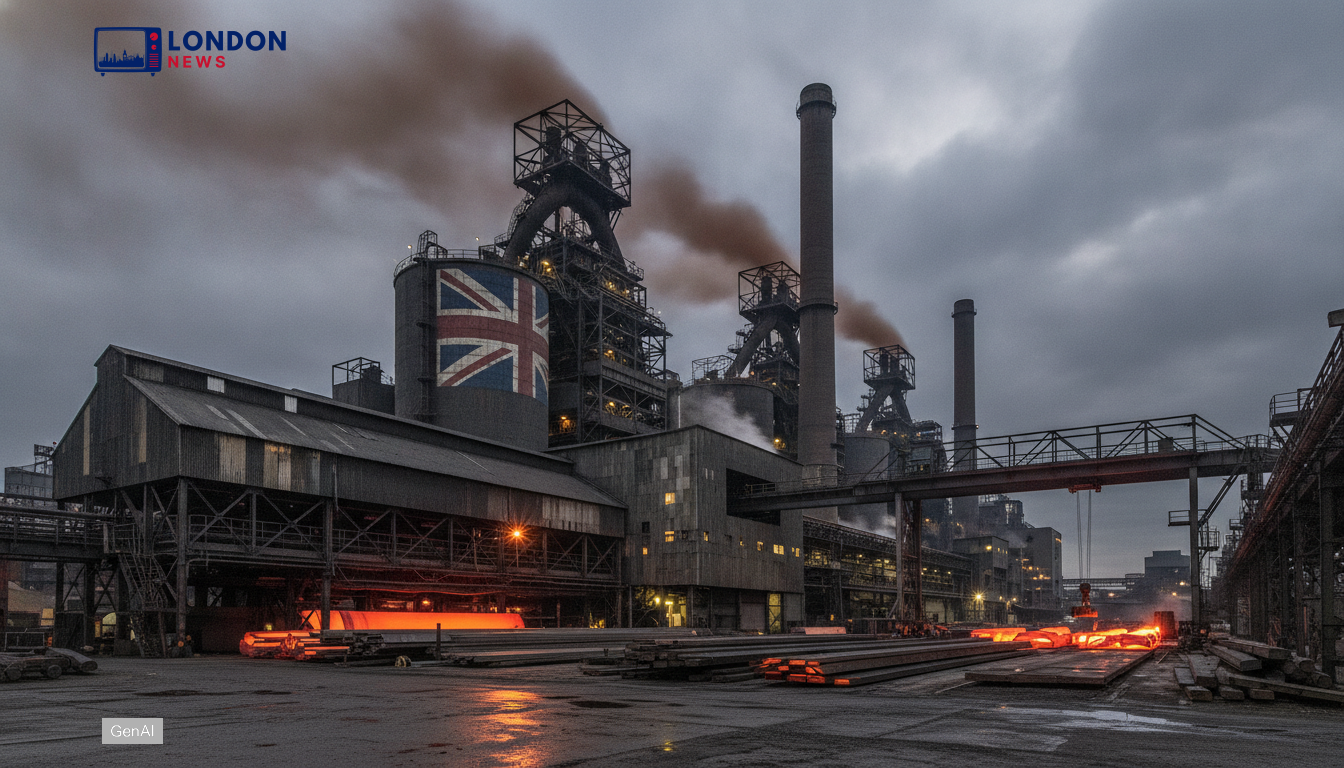
China Reacts to British Steel Move
In a turn of events, tensions between Beijing and London have spiked after the UK’s decision to nationalise British Steel. Chinese officials have raised eyebrows, suggesting the move might dent investor confidence, according to available reports. Remarks attributed to the Ministry of Foreign Affairs’ spokesperson, Lin Jian, urged fair treatment for Chinese-backed firms and cautioned against politicising trade issues. Meanwhile, UK ministers claim the intervention aims to uphold domestic industrial priorities. As debates continue, this episode throws a spotlight on the cross-border ownership of key sectors and the standards upheld by governments when security and employment factors are at play.
Why Did the UK Grab British Steel?
According to government insiders, this wasn’t just a random grab. The goal? Avert a sudden shutdown that would wreak havoc on supply chains and jobs in key industrial regions. More intricate details surrounding the policy and its costs are explored in UK government British Steel nationalisation: costs. The Department for Business and Trade describes the move as a stabilization tactic while weighing future options, potentially welcoming private capital down the road. Parliamentary voices have framed this as a resilience boost for heavy industry, acknowledging steelmaking as essential to national infrastructure and defence plans. The message? It’s about keeping production rolling, not a trade quibble with China.
Risks to UK-China Relations
The buzz among economists: could the china british steel nationalisation spat upset wider UK-China investment, particularly in energy and advanced manufacturing? Investors crave predictability – defining intervention triggers, ensuring legal shields, and resolving disputes transparently. Political whispers about state intervention aren’t just echoing in the UK; take a peek at similar chatter in Portugal’s debate. Market players are wondering if the temperature might just scare off financing for heavy industry, where perception of political risk can really hurt lenders and partners.
A Bit of British Steel History
British Steel’s past is a carousel of owners and restructures. This latest state-led drama is seen as yet another twist in its ongoing modernisation saga. For those keen on a timeline, there’s more in China British steel nationalisation dispute in UK. This history matters because it influences just how swiftly governance and spending can shift when the state steps in. The latest scene has been portrayed as a UK-China clash, adding some geopolitical spice to what could have been merely an industrial save. The government assures that the move is focused, with oversight intended to keep things ticking over.
The Path Forward
Eyes now turn to whether ministers can craft a realistic plan that aligns with emissions goals and power prices, while rallying private finance as conditions stabilise. UK’s leaning on private investors whose calculators will be busy assessing liabilities, work agreements, and tech choices around furnaces. Beijing’s game plan is to underline investor safety and avoid turning commercial tensions into political chess, as reports by Reuters suggest. If this head-to-head continues, it might cast shadows over future Chinese ventures across vital logistics. For British Steel, the journey hinges on clear milestones, tidy ledgers, and a well-sketched timeline for the end of public control.