Business
UK government British Steel nationalisation: costs
UK government British Steel nationalisation explained with policy drivers, public finance treatment, workforce and supply-chain implications, oversight steps, and clearly attributed official context.

UK government British Steel nationalisation: overview
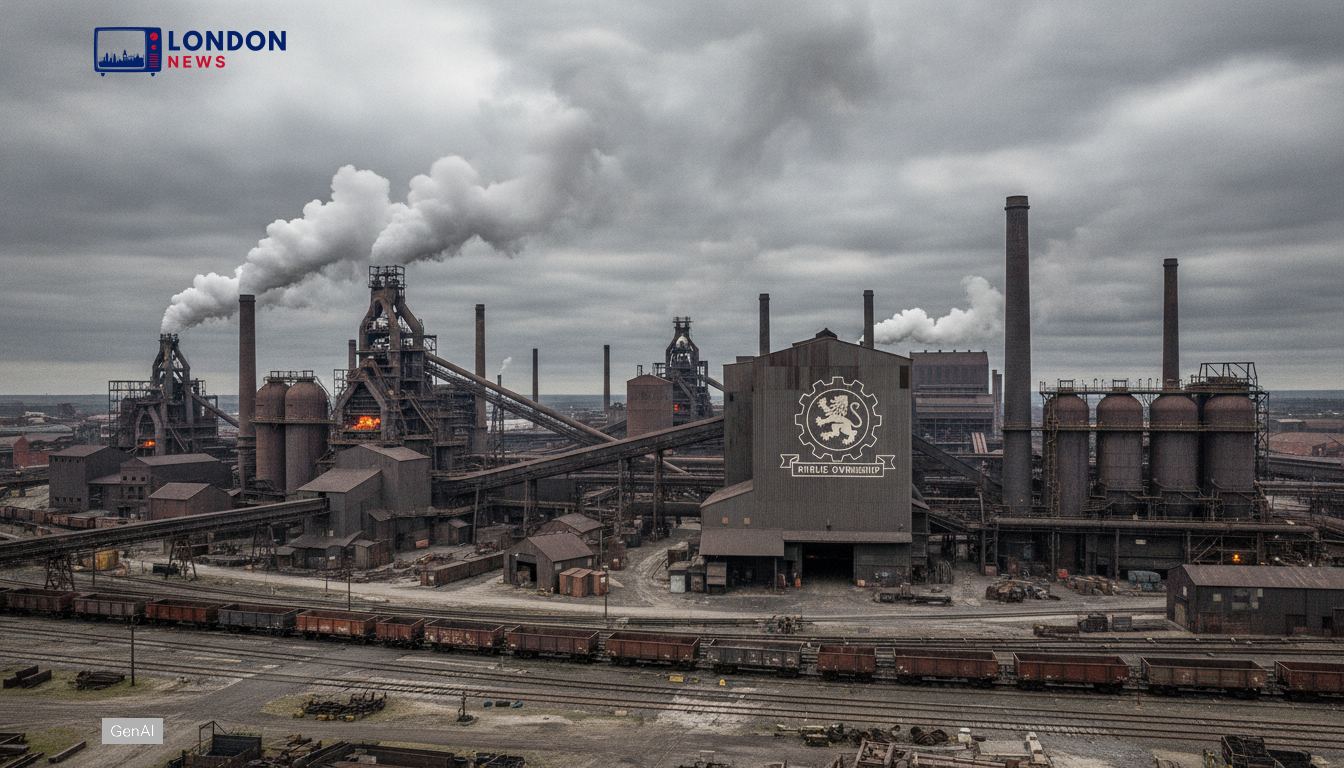
The debate around UK government involvement in British Steel centres on whether public ownership could stabilise a strategic steelmaker while protecting jobs, supply chains and UK manufacturing capacity, as ministers and other stakeholders have argued in public statements. According to available reports, officials have presented the main policy rationale, the cost and governance questions that may arise for taxpayers, and how outcomes can be assessed beyond headlines. Key tests include continuity of production, exposure to energy costs, investment sequencing, and transparent reporting so Parliament and the public can track performance. It also explains how public procurement rules and national accounts treatment can affect the fiscal picture, according to standard UK public finance and statistical frameworks. Where possible, references are framed around official bodies and processes to keep the discussion grounded in verifiable context.
Why the UK moved toward nationalisation
The move toward nationalisation has been framed by ministers as an intervention to stabilise a strategic producer and protect supply chains in heavy industry, according to government and parliamentary communications. Officials have argued that maintaining domestic capability across primary steelmaking and downstream processing can reduce exposure to imported supply volatility and procurement risk for infrastructure projects, though the scale of that effect depends on market conditions and contract structures. In parliamentary briefings and ministerial messaging, the stated case has typically focused on continuity of production, tighter governance controls, and the ability to align investment with industrial policy goals. For a comparison of how political confidence debates shape policy delivery, see Portugal political confidence debate grips Lisbon as PM pressed, while a practical constraint frequently cited by industry and policymakers is energy intensity: steelmaking is highly sensitive to power and gas prices, so any plan would need to address operating costs as well as ownership.
Workforce and supply chain impacts
For operators and unions, the immediate question is whether a change in ownership can reduce uncertainty that can contribute to skilled staff leaving, as union statements and workforce commentary have often warned in similar industrial situations. The government has said it would prioritise safe, continuous operations during any transition, while unions have pressed for clearer commitments on jobs, training, and maintenance schedules intended to reduce the risk of unplanned outages. Practical indicators to watch include headcount stability over successive quarters, apprenticeship starts, and retention in scarce trades, where such data is disclosed by the company or in official reporting. The policy debate also intersects with geopolitical risk, including the ownership and supply links discussed in China British steel nationalisation dispute in UK, and operational baselines such as whether production remains stable at Scunthorpe during any transition. These factors can affect buyer confidence, contract duration, and willingness to place long-run orders with domestic producers, though the impact is likely to vary by customer and sector.
Costs, public finance treatment, and oversight
Public ownership might alter how risks and returns are shared, potentially bringing more near-term costs onto the public balance sheet while giving the state more control over capital allocation and operating decisions. The eventual fiscal impact would depend on the specific transaction structure, any support provided, and future operating performance. One concrete technical issue is statistical classification: the Office for National Statistics (ONS) sets the rules for how public corporations and related liabilities are recorded in the UK national accounts, which can affect headline fiscal measures and how borrowing or guarantees are presented. In practice, an economic test often used by analysts is whether state direction accelerates investment, raises utilisation, and supports customers that need reliable domestic supply at predictable prices, although those outcomes are not guaranteed by ownership alone. Wider scrutiny of regulatory practice is reflected in coverage such as Ofcom investigation TikTok: UK probes child age checks, and stakeholders will also expect timely publication of accounts, capital plans, and governance arrangements, where applicable, through company reporting and parliamentary scrutiny.
Outcomes to track and what happens next
Prospects depend on whether public ownership is used as a bridge to a defined industrial plan rather than an open-ended holding pattern, as policy commentators often note when assessing interventions in strategic industries. The Department for Business and Trade (DBT) has indicated in its wider remit and public-facing communications that it focuses on routes to long-term viability consistent with public objectives, and that typically implies a timetable with milestones, even if specific targets are not always published. Outcomes can be tracked through indicators such as annual output stability, plant utilisation rates, safety performance, delivery reliability for UK customers, and audited financial results published on schedule, where those metrics are disclosed, including whether UK government British Steel nationalisation delivers measurable improvements in quarterly reporting discipline and investment sequencing. Related parliamentary scrutiny and communications dynamics are also seen in Keir Starmer’s Farewell PMQs: An End of an Era in Commons, and to build trust with taxpayers and markets, officials could set clear reporting dates for performance updates and publish who holds decision rights for major spending, procurement commitments, and any future move back to private ownership, if that becomes policy.