Politics
Sir Keir Starmer backs Hillsborough Law in Parliament
UK MPs debate Hillsborough Law as Sir Keir Starmer presses for a legal duty of candour, tougher disclosure rules and fairer access to justice for families.

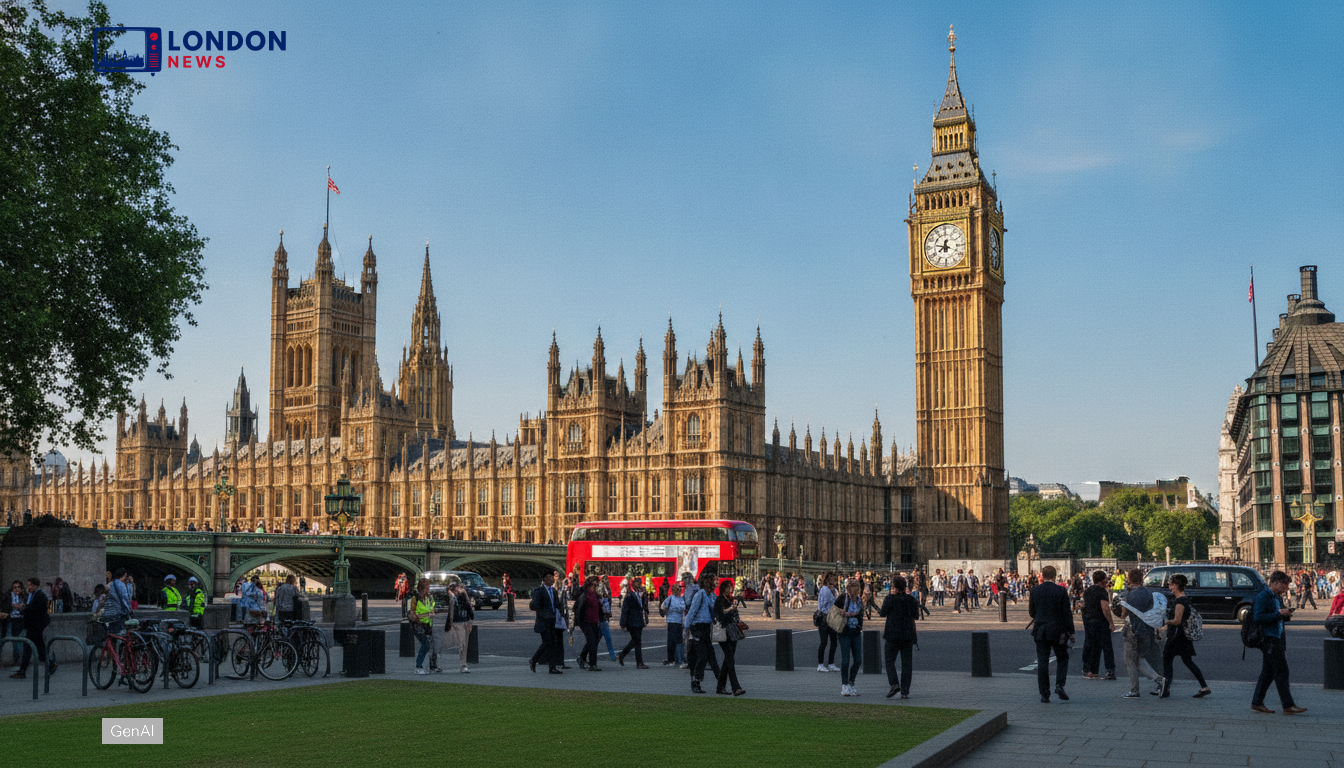
Sir Keir Starmer champions the Hillsborough Law
During a Westminster debate, MPs talked about the long-awaited Hillsborough Law. Sir Keir Starmer’s name came up as Labour pushed for a law demanding honesty with penalties. Talks also touched on holding public bodies accountable if they hide or twist evidence during investigations. The focus was on whether early fact-finding should have more legal weight, as discussed in the chamber.
Truth duties and Sir Keir Starmer’s stance
This bill, as campaigners say, answers years of advocacy by those affected by the 1989 Hillsborough disaster. The focus is on ensuring honesty from the start of investigations, not just in the courtroom. Hillsborough claimed 97 lives, with findings backed by the Hillsborough Inquests. Should this law cover more than just police forces? Health and local authorities were also mentioned in debates.
Tactics and timelines in Parliament
Support came from multiple parties, urging clarity on amendments and legal funding. With legislative calendars cramped, will the government promise no delays? Sir Keir Starmer’s involvement focused on demanding a timeline to avoid procedural holdups. The aim is a law strong enough to avoid legal swerves, though some warned it might miss the mark.
Impact of the proposed law
Will the Hillsborough Law shift power to the people? Supporters argue it should enforce truth, not rely on goodwill. MPs debated whether its impact would be meaningful or just for show. Legal funding needs attention to avoid families facing state-backed legal teams. There’s talk of stricter record policies, with real penalties for failure.
Amendments and future votes
The bill is moving forward, but can it survive with its intentions intact? Future votes might test whether MPs will favour a singular honesty duty or want tougher terms. Parliamentary discussions suggest close monitoring by campaigners, determined not to see delays or cherry-picked disclosures winning out.