Politics
Nigel Farage and the reported Clacton by-election
Reports suggest a Clacton by-election is moving into focus, with Nigel Farage shaping party tactics, candidate choices, and national attention in a short, high-stakes race.

Nigel Farage and a reported Clacton by-election
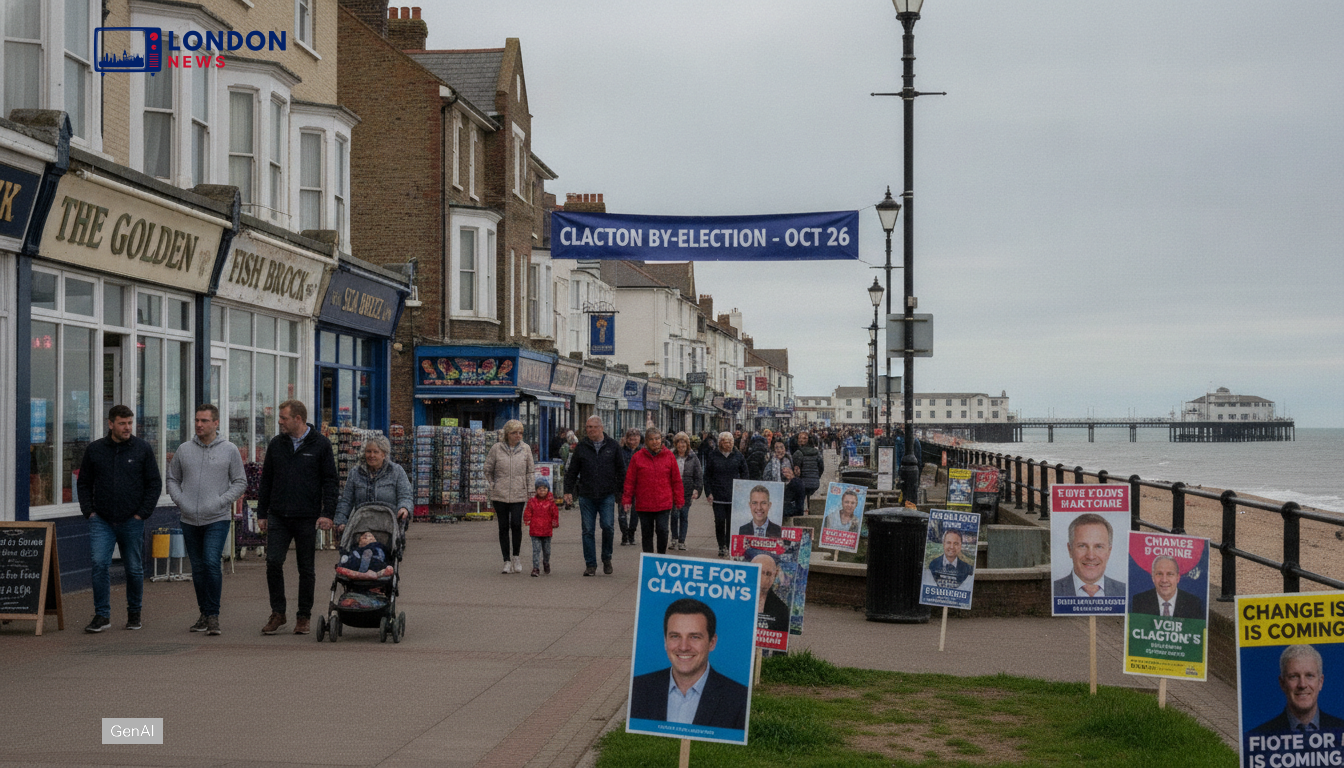
Nigel Farage is at the centre of what has been widely reported as a looming Clacton by-election, with the next steps dependent on parliamentary procedure and the formal issuance of the writ. Without an official timetable published in this article, it is safer to say the seat appears to be moving into campaign mode rather than stating it is confirmed. Local party teams typically begin organising quickly in these situations, focusing on canvass coverage, voter contact lists, and turnout planning over large rallies, as indicated by campaigners familiar with by-election ground operations. In Clacton-on-Sea, Essex, parties also often anticipate increased national media interest when a high-profile figure is involved, though the level of attention in Clacton will depend on developments in the days ahead. Rival organisers say they intend to emphasise constituency service, responsiveness, and visible local presence as the schedule tightens.
Key candidates and selection deadlines in Clacton
Candidate selections have been described by local organisers as moving faster than usual as parties line up nominees, agents, and compliance checks. Campaign plans are being shaped around door-to-door routes, voter data updates, and fundraising targets, with national figures expected to visit once candidates are in place, according to party organisers. For readers tracking how organisations tighten message discipline under scrutiny, a similar pattern is described in OpenAI GPT launch: new model details and reactions, while the practical deadlines still depend on the official nominations timetable set by election administrators, so any specific cut-offs should be treated as subject to confirmation. Organisers also say the contest could become more personality-led, but that they still want credible local profiles able to speak to coastal services, jobs, and small business pressures. In Clacton, the choice of candidate could possibly influence how prominently Nigel Farage features in day-to-day coverage.
Reform Party approach with Nigel Farage in the frame
Reform has been presenting Clacton, according to party figures and campaign organisers, as a test of whether high name recognition can translate into a disciplined local ground operation that lasts beyond polling day. Organisers say they are building canvass teams, planning street stalls, and scheduling constituency-style surgeries to signal permanence rather than a one-off surge. Wider debates about accountability and public trust are also being referenced, including BBC director general warns TV licence fee is outdated, as campaigners seek to connect national institutions to local grievances. Nigel Farage is expected by supporters to appear in fundraising and media plans, though officials also stress local delivery to avoid the impression of a single-personality vehicle. Rival parties are preparing rebuttal lines on competence and record, according to activists involved in local campaigning, while online discussion continues about by-election momentum.
Public reaction and early indicators on the ground
Voter reaction appears mixed, based on what local campaigners and residents say on the doorstep: some welcome a high-profile contest, while others worry the noise will crowd out practical issues like policing visibility, NHS access, and transport reliability. Parliamentary business continues in parallel, and briefings such as UK Parliament Opposition Day briefing are being folded into talking points about decision-making, according to campaign sources, while local organisers expect sharper online exchanges and more tense doorstep conversations as activists test messages associated with Reform and Nigel Farage, although the tone will vary by neighbourhood. Campaign teams say they are treating claims about turnout, polling, and betting cautiously until named surveys publish figures, aiming to avoid overstating trends. Community groups say they want public meetings to stay specific, testable, and focused on local delivery.
What the result could mean beyond Clacton
Strategists in Westminster say the result could be read as a signal for other coastal seats, especially if the contest is framed as a verdict on mainstream parties, though that interpretation will depend on turnout and the final vote shares. Analysts will watch whether any support looks driven more by persuasion or mobilisation, since that affects how transferable the approach is. Nigel Farage matters to that calculation, political observers argue, because his profile can reorder media priorities and force opponents to respond on less familiar terrain. The outcome may also shape internal debates on candidate selection, local autonomy, and the use of national surrogates in short campaigns, according to party officials and commentators. Whatever the final margin, Clacton is likely to be used by different sides to argue for or against wider political realignment, but those narratives should be treated as competing interpretations rather than settled fact.