Politics
Keir Starmer resignation triggers Labour leadership race
Reports of a Keir Starmer resignation have sparked talk of a Labour leadership race, raising questions on unity, policy direction and timetable.

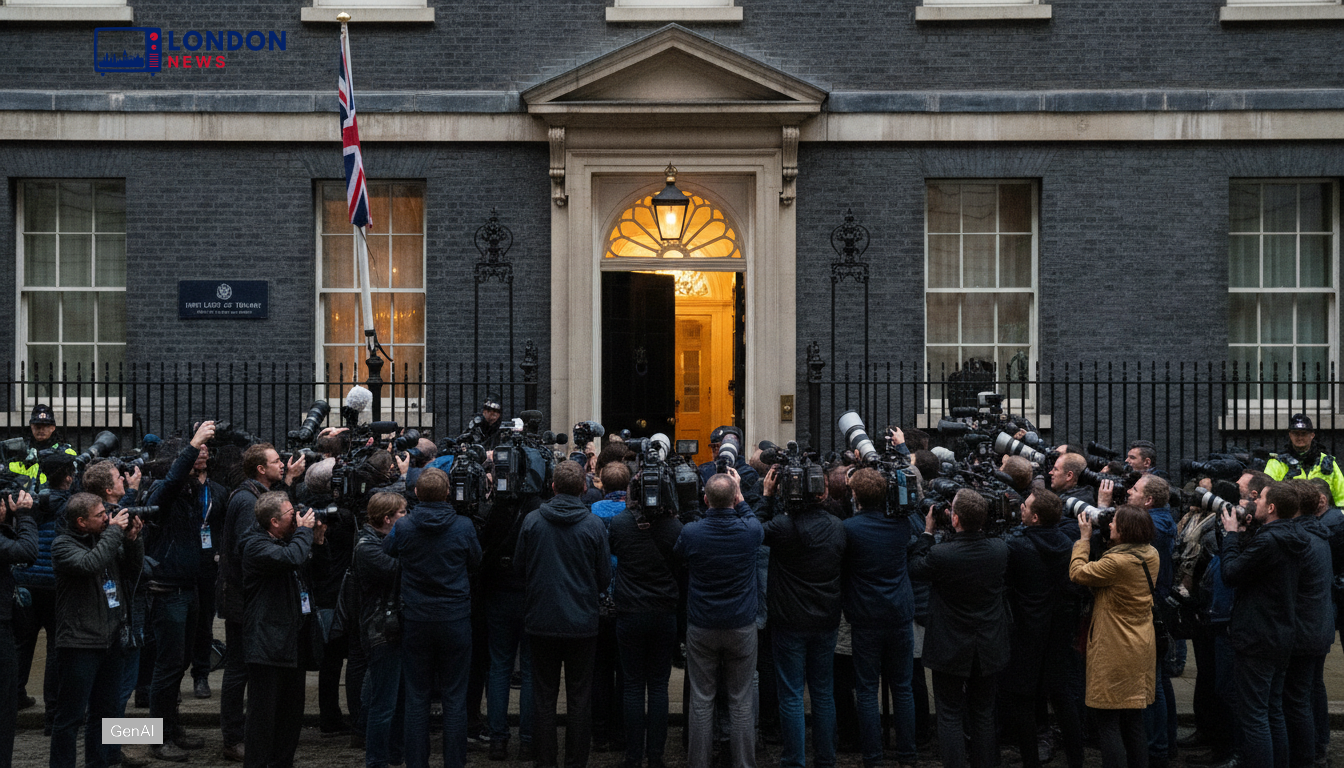
Why he may be stepping aside
According to available reports, a Keir Starmer resignation has circulated in UK political coverage, but any claim of a confirmed departure should be treated cautiously unless and until it is backed by a direct, primary statement from Starmer or an official Labour Party announcement. Some accounts suggest a statement was issued and that he outlined reasons for stepping down, but without a clearly cited original document, those details remain unverified. If a leadership vacancy is formally confirmed, Labour would move into its rule governed process for selecting a new leader, with Westminster operations continuing in the meantime.
Immediate reactions and impact at Westminster
In the hours after the reports emerged, politicians and commentators offered reactions that blended personal courtesy with strategic messaging, as typically happens after leadership shock news, according to public posts and broadcast discussion. Labour officials have emphasised continuity in day to day opposition work in similar past situations, while rivals often argue that leadership churn reflects deeper positioning problems; these characterisations are political framing rather than settled fact. For procedural context on how power transfers in Westminster, the House of Commons Library explains conventions in How is the Prime Minister appointed? House of Commons Library, which is often referenced in Westminster discussions. Analysts also watched how quickly activists turned the moment into wider debates on policy priorities and campaigning, a familiar pattern in attention driven online environments. For a look at how attention based ecosystems behave online, see How non-fungible tokens work in crypto markets, a comparison sometimes used in media literacy explainers.
Who could run in a Labour leadership race
If Starmer does step down, the early stage of any Labour leadership race would likely feature allies of senior MPs signalling competence, unity and electoral appeal while avoiding premature declarations until nominations open. Commentators often treat any farewell remarks as a touchstone and potential contenders may cite themes selectively, though that depends on what is actually said in any verifiable statement or speech. Attention would also focus on transition planning inside the party machine and parliamentary offices, where practical handovers can shape momentum. A London focused report on Keir Starmer transition talks with Burnham on handover shows how internal discussions can harden into leadership narratives once a vacancy is confirmed, particularly among MPs based around Westminster. Endorsements and rulebook decisions would matter as much as media performances.
Challenges for the next leader
The incoming leader would inherit immediate tests that are procedural, political and reputational, including keeping frontbench discipline while reassuring members who want a clearer ideological direction. Parliamentary agendas would not pause, and opposition days and committee work would continue to create flashpoints that demand clear lines, including set-piece clashes in the House of Commons chamber. A recent example of how contentious issues are framed in the Commons can be seen in the UK Parliament listing on Opposition Day: Puberty blockers, UK Parliament. Beyond single issue rows, the leader would need to show coherence on economic credibility, public services and security while preventing internal conflict from dominating headlines. The window for establishing authority is often short in modern media cycles.
What it could mean for Labour’s future
The decisive question is how Labour converts a sudden change at the top into a disciplined argument for government, while retaining voters who value steadiness and members who demand ambition. If the reported Keir Starmer resignation is confirmed, it could shift the party’s internal balance by forcing choices on messaging, selection influence and the relationship between Westminster and the grassroots. Some early commentary has suggested the contest could become a referendum on whether Labour should prioritise cultural issues or economic delivery and how directly it should challenge ministers on integrity and competence; those are projections rather than outcomes, and they are debated daily across London and Westminster. Whoever wins would need to stabilise the parliamentary party quickly and then build a campaign operation that can withstand constant scrutiny. The public typically judges on competence, clarity and unity rather than slogans.