Politics
Keir Starmer transition talks with Burnham on handover
Keir Starmer transition talks with Andy Burnham are presented by Reuters as an orderly handover, with Labour figures watching how any leadership change could affect UK politics timing.

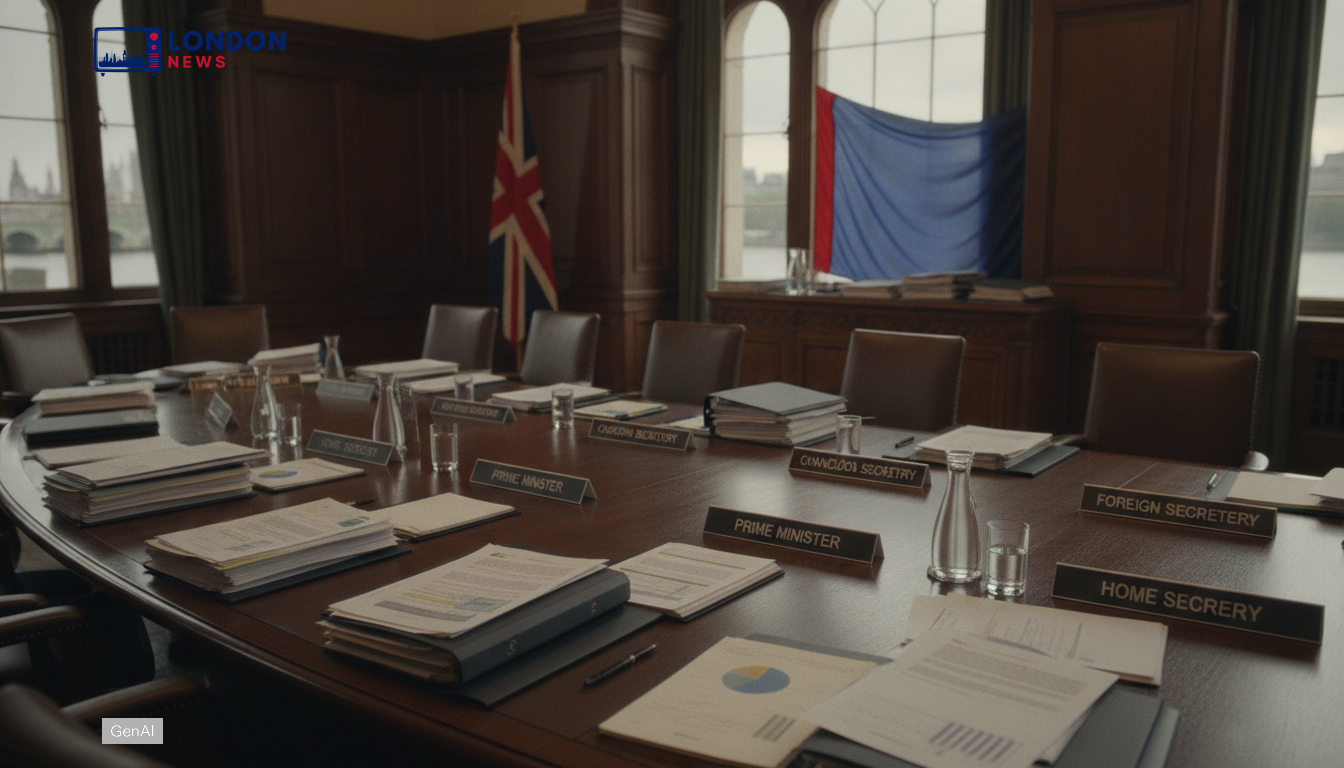
Keir Starmer transition: planning an orderly handover
Keir Starmer is reportedly seeking to formalise a leadership handover process inside Labour, presenting it as a managed shift rather than a sudden rupture. Reuters framed the meeting with Andy Burnham as part of an effort to secure an orderly transition and limit internal turbulence during parliamentary pressure points. Any timetable and governance approach is being discussed in terms of how the leader’s office keeps the party organisation operating while potential successors are tested. Party figures say one aim would be to reduce competing briefings and to maintain frontbench discipline. According to Reuters’ framing, senior figures are being encouraged to align messaging across regional leadership and Westminster operations. MPs and staff are watching closely for a clear sequence and agreed decision-making rules, though internal details have not been publicly set out.
Why Burnham matters in Labour succession talks
Andy Burnham, as mayor of Greater Manchester, brings executive experience and a separate electoral mandate that some party strategists reportedly view as relevant to a succession discussion. Reuters described Starmer holding talks with Burnham, and the framing suggests an attempt to bring influential Labour voices into a more controlled set of conversations. For context on how power transfers are formalised at the top of government, the House of Commons Library outlines the appointment process in How the Prime Minister is appointed, and that context has been part of the wider discussion of what an orderly process could look like. Within Labour leadership circles, his involvement is being discussed as a potential bridge to mayors and metro-region organisers, according to people familiar with the party’s thinking as characterised by Reuters. Supporters of that approach argue it could help keep local campaign operations steady during any leadership change and reduce the scope for rival camps to harden.
Effects on MPs, donors, and campaign operations
The immediate political effect of the talks might be to reduce uncertainty among MPs and donors who want clarity on how decisions would be taken during a handover, according to people who follow Labour’s internal discussions. It could also intersect with Labour’s candidate discipline and constituency targeting, because selection disputes can flare when authority is unclear. Within the broader news cycle, attention on electoral mechanics has risen alongside constituency contests such as the Makerfield by-election: voters head to the polls, which illustrates how local contests can become proxies for national mood. Party officials are reportedly focusing on keeping spokesperson lines consistent across media appearances. One stated aim, as characterised in Reuters’ reporting, is to prevent leadership discussion from crowding out policy messaging scheduled for the coming weeks, and for a cross-portal comparison of how planning and scrutiny can shape outcomes, see Energy contracts in Portugal aim to steady prices.
Member reaction and expectations of transparency
Among Labour members and affiliated campaign groups, the response has centred on whether the process looks transparent and whether it preserves a sense of democratic choice, according to activists and organisers speaking generally about leadership contests. Reuters noted the emphasis on an orderly approach, which some supporters may interpret as a promise to avoid factional manoeuvring and keep a predictable timetable. Organisers have described the moment as a test of how the party balances unity with an open contest, particularly around conference season planning and local party engagement. Activists also say they want reassurance that day-to-day campaigning will not stall if senior figures reposition. Outside Westminster, regional organisers also want clarity on who signs off messaging and priorities during any Keir Starmer transition process, and the strongest grassroots demand has been for clear leadership standards and consistent communication from the national executive, though views differ across local parties.
What happens next and the UK politics calendar
The next phase depends on how quickly Labour sets internal milestones and how effectively it signals stability to voters outside party structures, based on how the situation develops. Reuters positioned the Starmer-Burnham talks as part of a deliberate sequence, which could imply further meetings with other senior figures to widen buy-in without triggering a public scramble. A more controlled process might also limit parliamentary distraction by keeping the shadow cabinet focused on scheduled attacks and legislative scrutiny, though that outcome is uncertain. Attention will turn to how any leadership switch might interact with the government calendar, including key statements and major votes. Related turnout tests are also tracked in Scotland by-elections: polls could be open for Westminster seats, and the party will also watch polling shifts and by-election signals to gauge whether the Keir Starmer transition narrative is strengthening or weakening Labour’s position, according to political observers.