Politics
Andy Burnham defence plan faces MP funding scrutiny
Andy Burnham defence plan briefing to MPs outlined funding options, fiscal rules and timelines. Parliament pushed for costed figures and delivery milestones.


MPs press for funding clarity on defence proposals
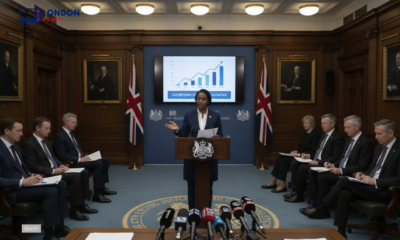
Andy Burnham reportedly used a Westminster meeting with MPs to argue that a credible defence posture depends on predictable, multi year funding decisions. He described his defence proposals as a commitment to match strategic ambition with clear budget lines, rather than relying on late in year reallocations. Burnham said he takes responsibility for the funding plan seriously, and framed the Andy Burnham defence plan as a test of whether ministers can make choices early enough for procurement to be efficient. He also pointed to the need for clearer lines between operational spending and long term investment so that Parliament can scrutinise trade offs properly.
How MPs questioned the funding and the timetable
MPs were said to have focused on immediate constraints that can make defence funding harder to settle in a single statement, including inflation in complex weapons supply chains and pressure on the wider public finances. Burnham, according to attendees, linked these constraints to UK politics, arguing that cross party expectations for capability have risen faster than budgets have been set out. Burnham reportedly insisted that headline numbers should be accompanied by delivery milestones that committees can check, and in the middle of the session a separate parliamentary item on UK Parliament written statements was cited by aides as an example of how MPs seek written clarity on departmental commitments.
Economic discipline and trade offs
Burnham placed his Burnham economic stance at the centre of the argument, telling MPs, as described by those present, that any rise in defence allocations must be compatible with fiscal rules and transparent assumptions. He said the approach should not be sold on optimistic growth forecasts, but on a line by line explanation of what is affordable within a spending review cycle. In one exchange, staff referenced Portugal income scheme passes amid party tensions as a reminder that social policy budgets can collide with security priorities when governments fail to set trade offs clearly. He also argued that procurement reform is as important as top line totals, because poor contracting can absorb increases without improving readiness. Burnham urged MPs to demand costed schedules before endorsing new commitments.
Political reaction and parliamentary handling
Reaction among MPs in Westminster was described as reflecting familiar divisions over how to balance defence commitments with domestic pressure, and how quickly any extra spending should be delivered. Burnham’s team highlighted internal party debate by pointing to Labour 2026: Can They Get Their Act Together?, using it to show how leadership and policy coherence can affect parliamentary backing for large fiscal choices. Some members, according to participants, argued that defence funding must be locked in early to support industry planning, while others challenged whether the timetable is credible given competing demands. Burnham said he is prepared to defend the plan in committee settings and to publish clearer assumptions so critics can test them. He avoided claiming a consensus, instead describing the meeting as a step toward firmer scrutiny.
What delivery would look like for UK defence capability
Burnham told MPs that the practical impact of any settlement will be seen in the ability to place orders, train personnel and sustain stockpiles without disruptive mid year raids on other budgets. He argued that the Andy Burnham defence plan should be judged on delivery, including whether programmes start on time and whether capability gaps narrow in areas Parliament already monitors. He also said that stable allocations can improve value for money by giving suppliers confidence to invest in capacity, but only if contracts include measurable performance triggers. Burnham framed the issue as a credibility test for UK politics, with Parliament expected to track whether promised funding turns into deployable capability. He said further briefings will follow through committee channels and routine parliamentary scrutiny. According to available reports, these ongoing discussions aim to hone the balance between ambition and practicality in defence commitments.