Politics
Social Media Ban Looms: Under-16s in the Spotlight
UK ministers are investigating a social media restriction for under-16s, considering age checks, enforcement costs, and teen reactions under the Online Safety rules.

What UK ministers suggest they are exploring
The UK government is investigating a possible social media ban for under 16s, which according to available reports, is seen as a child-safety step aligned with the Online Safety agenda. Officials have indicated the work is looking at tougher age assurance for major platforms, clearer definitions of which services could be in scope, and what legal duties might change. They have also suggested they want to consider enforcement options, potential exemptions, and workable timelines before any bill is finalised. The proposal has raised questions about compliance for cross-border services, how a consistent regime would work across apps, and what evidence would be used to justify any national restriction.
Teen and parent reaction
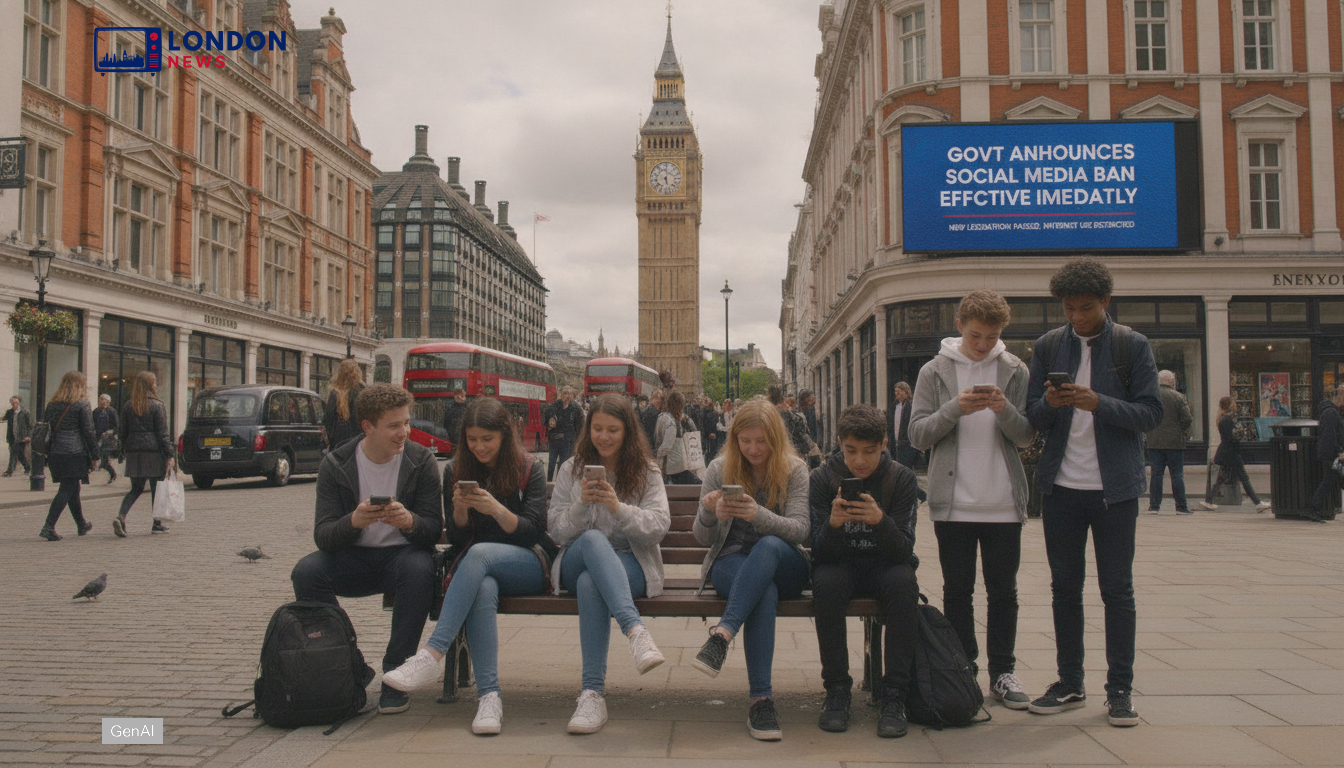
Teenagers and parents appear split, based on commentary cited in UK media coverage, with some backing stronger guardrails and others calling the plan heavy-handed and easy to bypass. In Westminster, it is indicated by ministers they are monitoring public response while other measures move through Parliament, including MPs present Private Members’ Bills to Parliament. One recurring concern online is a “uk social media ban vpn” workaround as teens discuss bypass tools. For a related look at how UK politics is moving across constituencies, see Makerfield by-election: voters head to the polls and Renewable energy Portugal consultation speeds build. Others ask whether any under-16 restriction would treat messaging apps, community forums, and content feeds as the same category.
Why the UK is considering tighter limits for under-16s
According to available reports, the aim would be to reduce exposure to harmful content, predatory contact, and addictive design, while requiring platforms to demonstrate that children are kept out of adult spaces. The government has linked the idea to existing Online Safety duties such as risk assessments and age checks, while supporters argue a clearer age cutoff is easier for parents and schools to understand than complex content rules. Critics counter that harm can depend on what children see and who contacts them, not age alone, and that blanket restrictions could push vulnerable teens toward less moderated services. The debate also includes whether any social media ban for under 16s would rely mainly on company audits or include penalties for repeated failures, as some campaigners and commentators have argued.
How platforms could enforce age limits
Platforms could face higher compliance costs if the UK requires robust age assurance rather than self-declared birthdays, according to industry groups commenting on age-check proposals. Firms are also wary of tension between UK requirements and global product design, since apps typically ship one experience across many markets. For context on how UK policy decisions can force fast operational shifts, see BoE grapples with rates as energy hikes risk inflation. Enforcement would likely hinge on which regulator can inspect systems, how quickly fines could be applied, and whether standards would specify acceptable verification methods, as policy analysts have noted in discussions around implementation. Industry groups argue that clear technical rules and realistic lead times matter as much as the headline promise.
What happens next
The next phase will test whether ministers can turn the proposal into legislation that survives scrutiny on feasibility, privacy, rights, and proportionality, according to commentators following the Online Safety policy debate. Officials would need to decide how any restriction would interact with existing duties on illegal content and child safety, and whether separate rules would apply to video-sharing, social networking, and private messaging. Another pressure point is privacy-preserving age assurance that does not require excessive data collection, an issue raised by regulators and privacy advocates in related debates. Parliament may press for tight definitions, clear metrics for success, and independent evaluation after implementation, although the shape and timing of any bill remains uncertain and would depend on ministerial decisions and parliamentary scheduling in Westminster.