Sports
England team fashion shift: tracksuits over ties
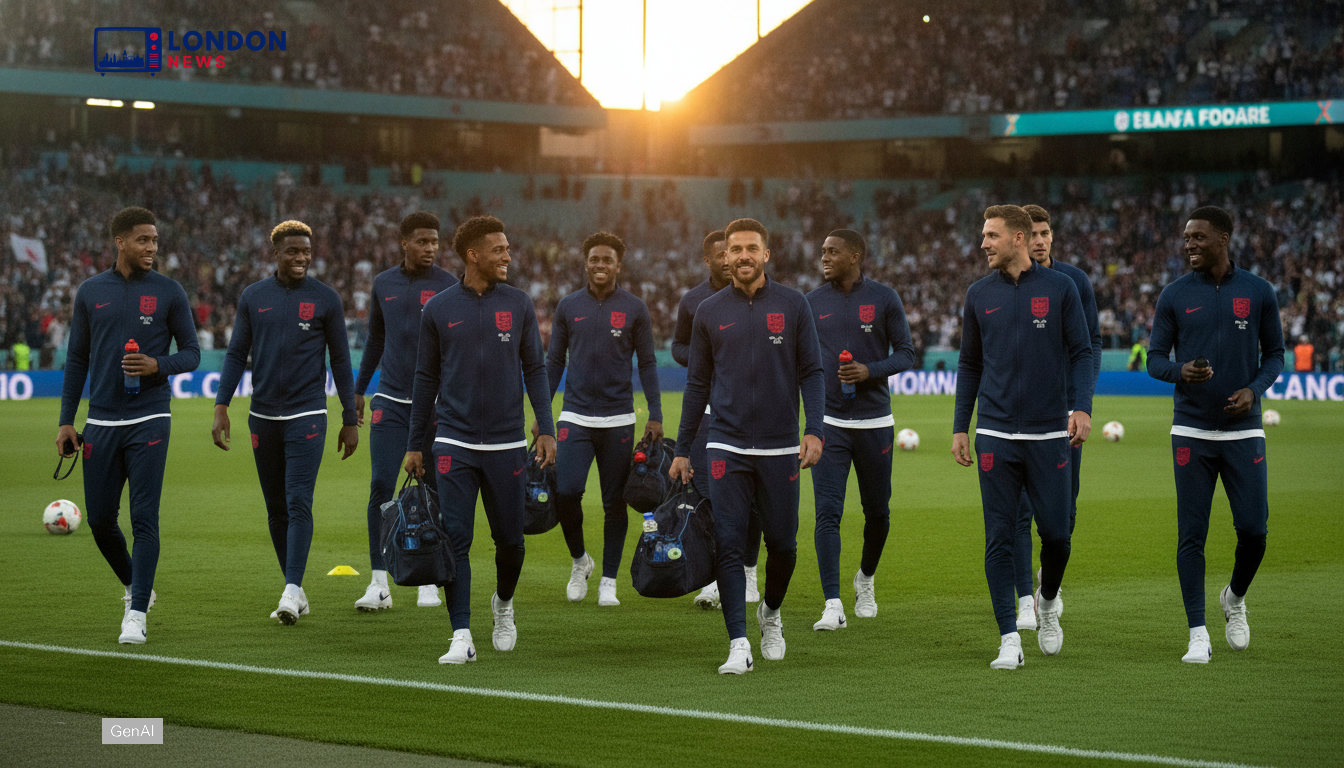
England team fashion is shifting to tracksuits and relaxed tailoring, signalling a modern, player-led identity that shapes fans, sponsors, and rivals.

England team fashion: why tracksuits are replacing ties
Coordinated tracksuits, relaxed tailoring, and less formalwear at arrivals and press duties are increasingly associated with England team fashion, based on recent media and fan coverage rather than a single fixed dress code. The shift is seen as practical: outfits comfortable for travel and tight media schedules while still looking intentional on camera. Instead of a one-size-fits-all suit rule, players frequently appear in premium trainers and slimmer silhouettes in public photos. Staff sometimes match, so the group doesn’t look split between players and officials. The effect is a controlled informality that works like a second kit, reinforcing unity while keeping individuals recognisable across broadcast clips and social posts.
How travel and media demands shape England team fashion
World Cup fashion and travel outfits can become part of the storyline, with outlets linking clothing choices to identity and confidence in player-led environments; as ESPN has noted in its tournament style coverage, this is discussed in ESPN World Cup style coverage. More broadly, stylists and brand consultants often see off-pitch clothing as a communications tool because images circulate within minutes of airport arrivals, and tournament schedules often include multiple media stops in a single day. In those settings, wardrobe consistency can help sponsor marks read cleanly on camera, though the impact varies by broadcaster, kit partner guidelines, and lighting. For a wider example of how public messaging is managed under pressure, see coverage such as World Cup 2026: Portugal open Group K vs Congo.
Impact on sponsors, fans, and team image
The practical payoff is consistency: aligned players and staff can appear more organised during hectic travel days and rapid media stops, at least in widely shared images from arrivals and mixed zones. That matters for team image because, according to available reports, the first photographs fans see are from airports, hotels, and press areas rather than match action. In coverage of the England national football team, leadership is sometimes judged in small cues like fit, colour coordination, and whether branding looks deliberate. These are subjective interpretations not official measures. This mirrors how other UK institutions can be scrutinised for clarity and cohesion in public, including media coverage of organisational change such as BBC job cuts: Navigating the financial squeeze with 550 roles at stake.
From suits to sportswear: what has changed over time
In older England eras, travel clothing was commonly formal. Often dark suits and ties signaled authority and tradition, seen in widely circulated archive images and televised arrivals. That look still appears at ceremonial events but doesn’t seem to be the default for transit or routine media in recent examples. The contrast is sharp when comparing modern casual sets with blazer-heavy squads in archives, and it broadly tracks a wider shift in elite sport culture since the 2000s, as clubs increasingly normalised branded travel gear. The England cricket team is also often photographed in practical teamwear on tours, where comfort and repeatable outfits are rewarded. Public expectations have shifted too, with coverage focusing less on formality and more on coherence, clean branding, and professional conduct.
What comes next for England team fashion
Future choices are likely to stay functional, with more modular layers designed for travel and changing conditions, alongside sponsor visibility considered for comfort. Exact direction will depend on kit partners, tournament rules, and player preference. Expect heavier use of neutral palettes that photograph predictably, paired with a few statement items that players can personalise without breaking the group look. Kit partners pushing lifestyle ranges that sit between training gear and premium casualwear may also shape England team fashion, turning travel outfits into retail lines. However, as indicated by available reports, the scale of any revenue impact is difficult to assess without published sales data. The smartest evolution will likely keep the relaxed tone while tightening standards on fit, consistency, and context for each appearance, similar to how other UK sectors standardise public-facing messaging, as seen in reporting such as UK Financial Scam Losses Near £1.3bn as AI Spreads Fraud.