News
BoE grapples with rates as energy hikes risk inflation
The Bank of England’s decision to hold rates highlights the continuing impact of energy prices on inflation, with potential effects on UK market expectations in 2024.

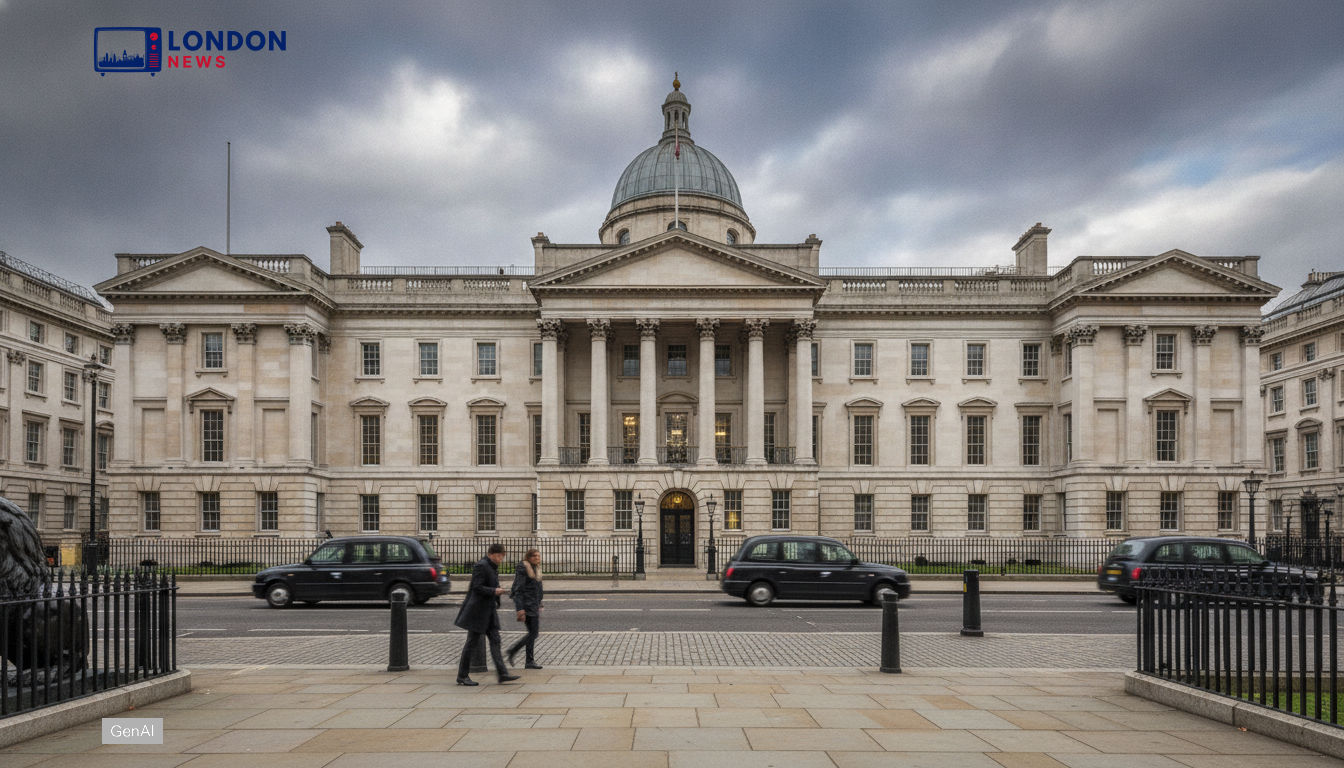
Bank of England decision and the energy prices impact
The Bank of England held its benchmark rate steady at its latest meeting, extending a cautious pause as inflation pressures remain uneven, according to available reports. Policymakers suggested that shifts in household bills and business costs tied to energy might risk influencing the inflation path. Governor Andrew Bailey indicated policy could stay restrictive as long as necessary, with decisions hinging on incoming data. This hold leaves borrowers and savers waiting to see when cuts might occur. The Bank also emphasised that its remit focuses on price stability even as growth remains fragile, aligning with its mandate.
How energy costs shape UK inflation and growth forecasts
The central bank’s messaging highlighted how imported fuel and power costs can feed through supply chains and wage bargaining, potentially complicating policy choices, as noted in recent commentary. Analysts often point out that volatility in wholesale gas markets can reappear quickly when geopolitical risks flare, which adds uncertainty to forecasts. To understand one key choke point markets watch for disruption risk, see Strait of Hormuz meme meets UK security push. That risk intersects with inflation because energy is a direct component of CPI and can indirectly influence services prices through transport and operating expenses. The Bank said it would watch regulated household bills and business input costs closely as new inflation data arrives.
Rates since the tightening cycle began: what changed
The decision sits within a longer tightening cycle that began as inflation accelerated after pandemic disruptions and the shock to global energy markets. Bank of England material on past meetings shows rates were lifted repeatedly before the Committee shifted to holding policy steady as inflation eased from prior peaks. For a related view on how policy choices can collide with household finances, see BBC job cuts: Navigating the financial squeeze with 550 roles at stake, while over that period, shifts in fuel and power costs have affected headline inflation at times and then filtered into areas such as food, transport and manufacturing. For comparison on how another European country is handling supply and affordability tensions, see Portugal’s Renewable Energy Tug-of-War. The decision sits within a longer tightening cycle that began as inflation accelerated after pandemic disruptions and the shock to global energy markets.
What economists and investors are watching next
Economists widely frame the hold as an attempt to balance restrictive policy with signs of cooling demand, based on their research notes and commentary. Commentators also say the Bank is trying to avoid re-igniting inflation while limiting damage to investment and hiring. In scenario discussions, the Bank has treated the energy prices impact as a risk factor rather than a baseline path because futures prices can move sharply from week to week. Some market strategists argue that, without a clear downtrend in services inflation, the Committee is likely to keep stressing patience even if growth indicators soften. Political developments may also affect fiscal assumptions and confidence, adding another variable for markets to price.
Market outlook for gilts, sterling and future rate cuts
Traders in UK bond and swap markets are likely to keep repricing the path of cuts around each inflation and wage release, while sterling can remain sensitive to relative moves in US and euro area rates, as market participants typically note. In London, economists suggest that language can keep term premia elevated when data surprises. The Bank reiterated that policy is not set in stone. Fuel and power costs remain a prominent risk for inflation as they can affect both headline prints and business pricing behaviour. Investors are also watching how household bills feed into consumer sentiment and retail demand, factors that can influence recession risks. For now, policymakers have signalled steady settings until inflation falls sustainably back to target, according to the Bank’s guidance.