Tech
Prostate cancer treatment: NHS cuts radiotherapy to five
NHS teams are expanding use of advanced radiotherapy that may reduce some prostate cancer treatment courses from around 20 sessions to five, aiming for consistent care and faster recovery for suitable patients.

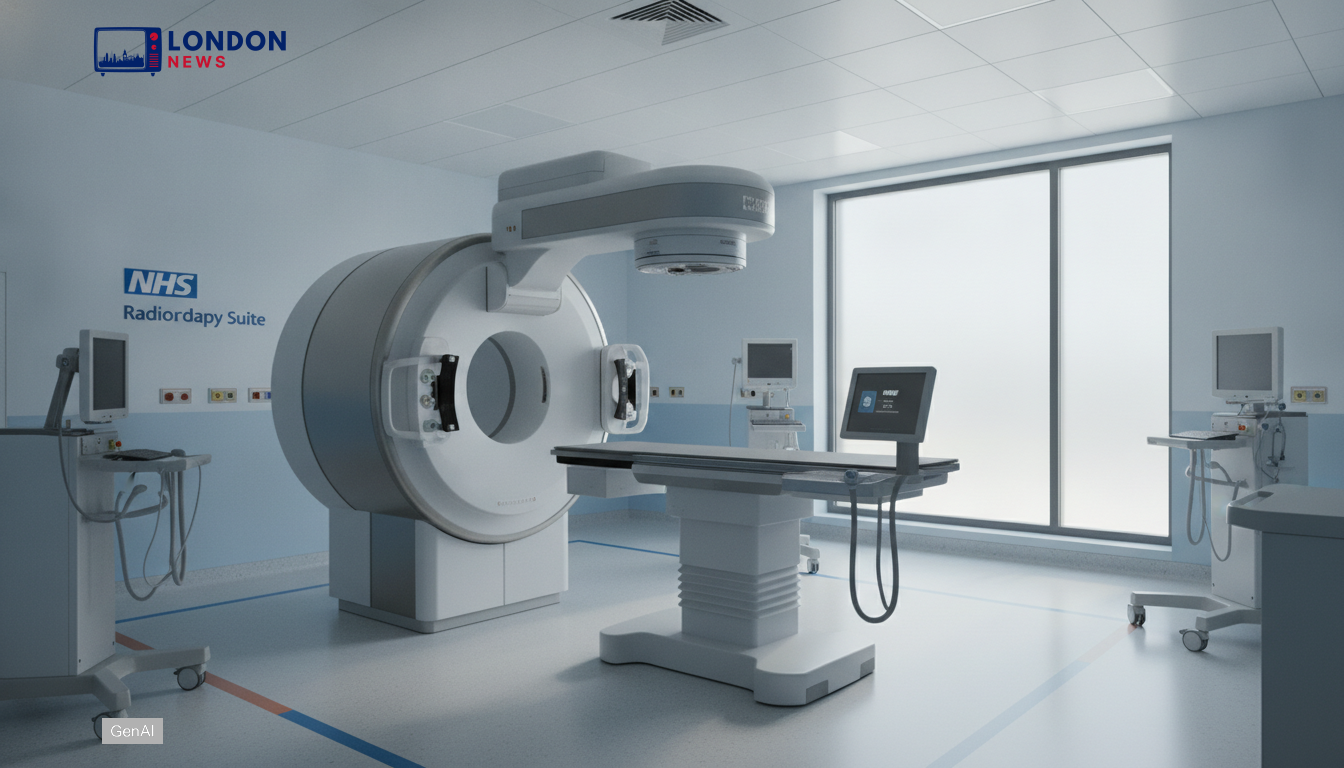
Prostate cancer treatment: NHS introduces five-session radiotherapy
In parts of NHS England, prostate cancer treatment is shifting to a new five-session radiotherapy schedule. This could replace the traditional 20 hospital visits for some patients. According to available reports, this approach involves a higher dosage per session with precise targeting. Daily imaging and verification are key to maintaining accuracy. NHS teams suggest this change may reduce patient disruption, cut travel, and free up time for machinery use. Efforts are underway to standardise planning and quality assurance across centres whilst prioritising safety.
How the five-session approach can benefit patients
The main gain is time: fewer visits mean less travel hassle and lower transport costs, as often highlighted by patient support organisations. Departments focus on rigorous image guidance and checks to ensure high-dose precision without compromising standards. For context on organisational strategy, see Costa: NATO European Security needs stronger alliance. Shorter courses might also release machine slots for urgent cases. Clinicians emphasise that suitability depends on cancer staging, prostate size, and anatomy, not convenience alone.
What is changing in prostate cancer treatment workflows
Clinics are expanding advanced planning and verification to support hypofractionated treatment. The focus is on sharp margins, motion management, and consistent imaging before each session. These measures aim to avoid treatment misses, even with fewer sessions. The resilience of hospital IT and scheduling is also crucial, as highlighted by University cyber-attack exposes UK student records. Teams say they are clarifying eligibility early, so patients quickly know if a five-visit schedule fits or if a longer one is safer.
Expert views on safety, training and quality assurance
Specialists describe the five-fraction model as a shift in precision and verification, not just a higher-dose tactic. As TechCrunch discusses in How memory tools can make AI models worse, these changes require verification discipline. Services report they audit outcomes and toxicity as this model gains adoption, supported by peer reviews and stringent set-up checks. Training for physicists and radiographers is crucial as these professionals need to be confident with the daily image review culture. Strong checks are essential to use shorter schedules safely at scale.
Patient experience and follow up after shorter radiotherapy
Some patients find shorter schedules more manageable, easing fatigue and appointment stress, although experiences vary. Clinicians note that positive feedback relies on clear preparation instructions and explanations of potential side effects. In many cases, treatment is seen as a balance between fewer visits and hospital time, with safety remaining a priority. Charities urge clear communication on schedule choices based on clinical criteria, as campaign messaging indicates. Departments plan structured follow-ups post-treatment to catch symptoms early and support recovery, with check-ins common in the early weeks after the final session.