Business
Frasers Group Metrocentre bid and retail expansion
Frasers Group Metrocentre bid signals strategy for store upgrades, leasing talks, and deal funding, as investors watch Metrocentre plans and timing closely.

Frasers Group Metrocentre bid: what it targets
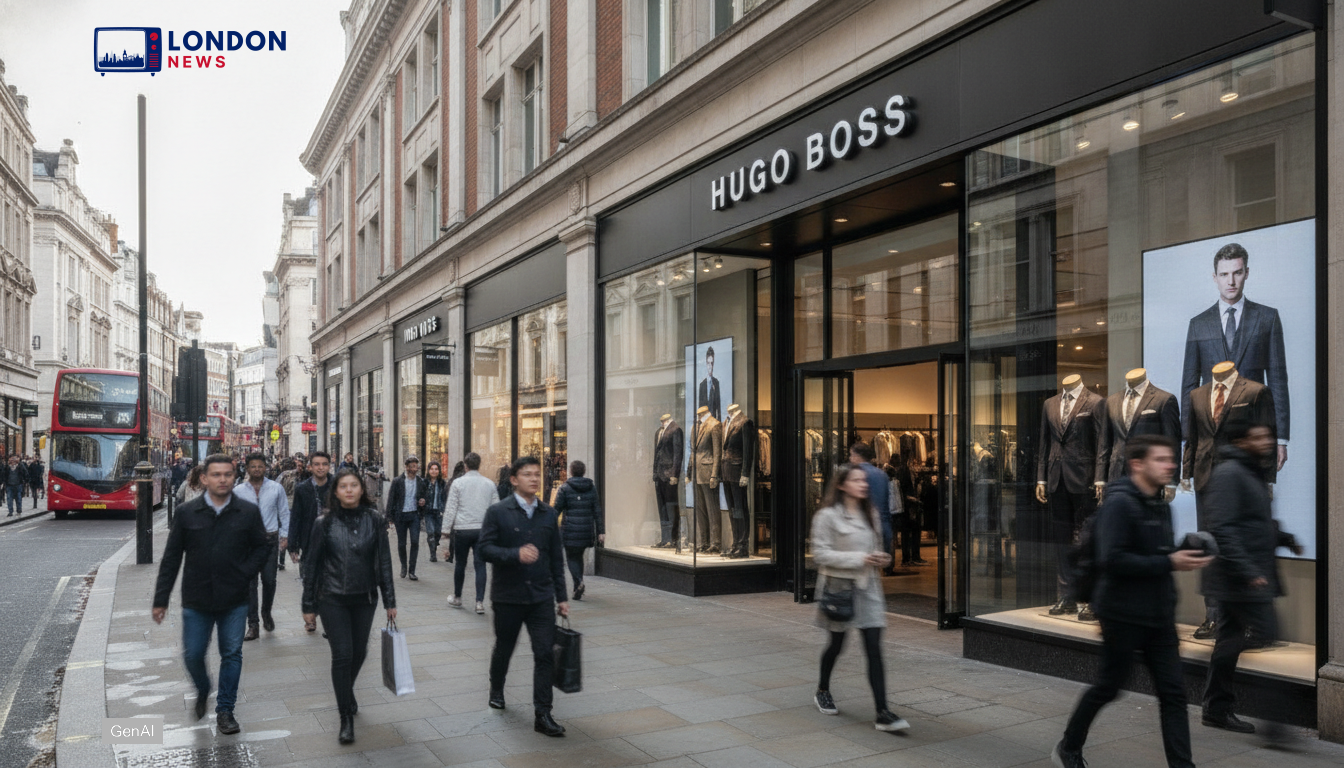
The frasers group metrocentre bid has become a focal point for investors watching how Frasers Group wants to reshape one of the UK’s biggest retail destinations. The Metrocentre in Gateshead is a high footfall mall with a mix of fashion anchors, leisure space, and food and beverage operators, so any move to gain influence there is read as a signal on store rollout, leasing strategy, and capital priorities. Market attention has also been sharpened by reports of wider deal activity around Frasers, including a proposed £1.73bn approach for Hugo Boss, as indicated by Reuters. Taken together, the question is whether Frasers is positioning Metrocentre as a flagship for premium brand concessions and omnichannel fulfilment.
Metrocentre implications for store estates and leasing
If Frasers gains momentum on Metrocentre, the immediate implications would be felt in unit mix, rent negotiations, and how much space is allocated to premium fashion versus value and sports. Analysts typically look at occupancy, footfall trends, and the balance between retail and experiential uses to judge whether upgrades can lift sales density, and the frasers group metrocentre bid is being read through that lens. The strategy also overlaps with wider European policy conditions that can affect cross border investment sentiment; investors often track comparable signals in initiatives such as EU budget 2027: Commission floats €200bn plan. In practice, the Metrocentre angle is less about a single transaction and more about whether Frasers can improve yields across a large, complex destination over multiple seasons.
How the Hugo Boss bid fits the Metrocentre narrative
Frasers’ reported interest in Hugo Boss, put by Reuters at roughly £1.73bn, is being assessed alongside the Metrocentre push because both point to vertical integration across brands and physical retail. A premium label can support higher margin concessions and shop in shop formats inside destination centres, while a strong mall footprint can provide predictable distribution and marketing scale. For context on how brand leadership and capital strategy can influence consumer perception after ownership changes, retail watchers cite examples such as https://londonews.com/christopher-bailey-backs-burleigh-rescue-plan/. The key linkage is execution: can Frasers use Metrocentre to showcase premium merchandising standards while keeping promotional activity controlled across channels.
Market reaction, valuation and funding questions
Equity markets tend to treat major property and brand moves as valuation and funding events first, then as operational stories. The £1.73bn figure, reportedly attached to the Hugo Boss approach, has anchored debate over potential premiums, financing structure, and how quickly synergy targets could realistically be delivered. Retail decision making is also increasingly data led, and product discovery tools now influence how retailers plan ranges and allocate floor space; one example is covered in Retail Dive report on Amazon AI image search. On the Metrocentre side, investors typically want clarity on capex expectations, tenant churn risk, and the timetable for any refit that could disrupt trading. The near term market question is whether Frasers can pursue both ambitions without stretching leverage or management bandwidth.
Next steps for Metrocentre strategy and timelines
In the months ahead, the practical test will be whether Frasers can translate intent into measurable changes at Metrocentre: improved tenant mix, stronger conversion, and higher sales per square foot. Success would likely require clear milestones on leasing, refurbishment phases, and how flagship units connect to click and collect, returns, and local delivery. The frasers group metrocentre bid will remain under scrutiny because destination centres are sensitive to consumer confidence and footfall patterns, especially during key promotional periods. Separately, any Hugo Boss outcome would influence how quickly Frasers could roll premium brand concepts across major UK locations. Investors will watch for updates that quantify capex, expected returns, and governance around brand and property decisions.