Politics
Asylum seekers housing planned at ex-military sites
Ministers press ahead with asylum seekers housing on ex-military sites to cut hotel use, as councils seek funding clarity and safety checks.

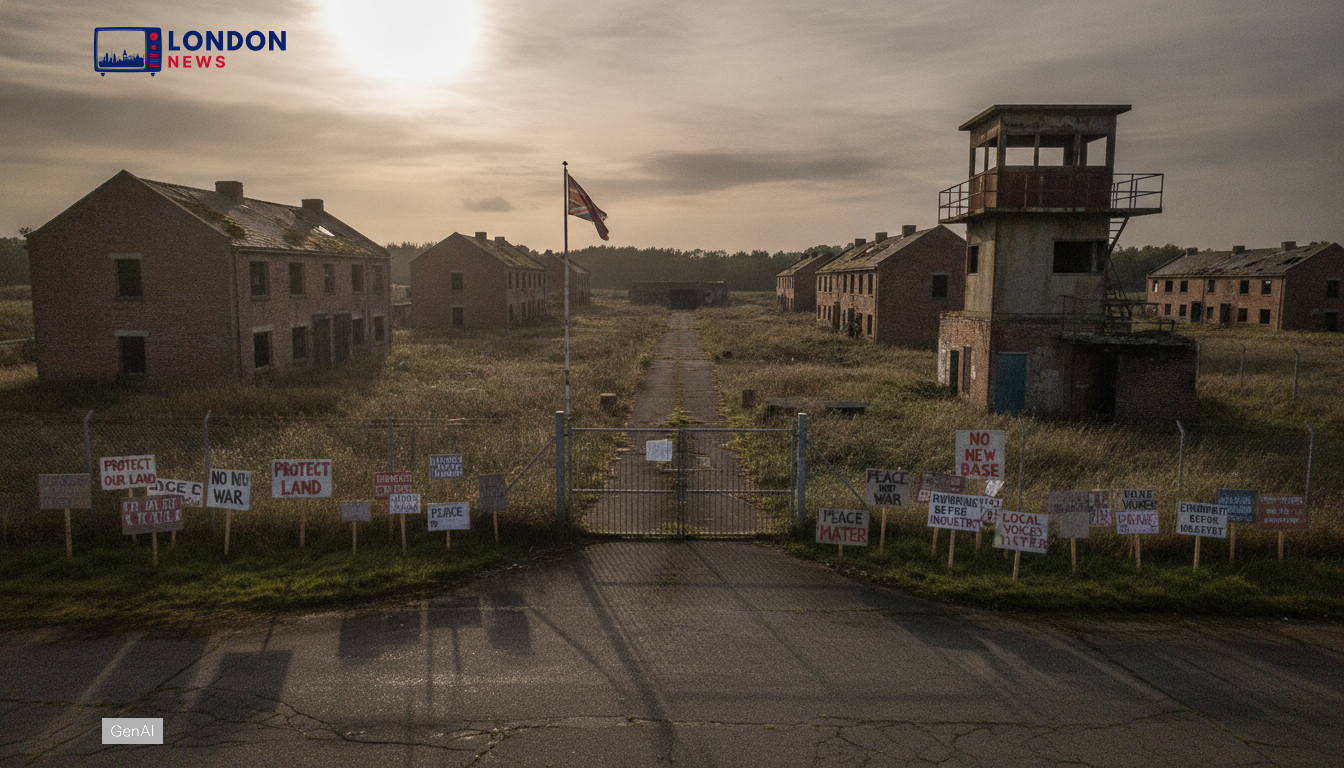
Asylum seekers housing plan on ex-military sites
Ministers say they are moving ahead with asylum seekers housing on former defence land, arguing that current temporary arrangements are unsustainable and too costly. According to available reports from the Home Office, the aim is to cut reliance on hotels while shifting accommodation into managed locations with consistent standards. Reports indicate that safeguarding and security checks will be integral to site setup, with fire safety and welfare provision assessed before any arrivals, and the approach to asylum seekers housing will be monitored as sites are prepared. It is suggested that local authorities will be notified through established channels and that planning and public health issues will be handled on a case-by-case basis. The policy is being rolled out in stages, according to government statements, with further location announcements expected as sites are prepared.
Local reactions and protests
Councils in areas identified for new accommodation say they want clearer timelines and more detail on how services would be funded, including policing, GP access, and school place pressures. Several MPs say they have forwarded residents’ concerns to the Home Office, and for context on how public bodies are held to account, readers can follow parliamentary material via UK Parliament petition and committee coverage. Local protests have also been reported around proposed locations, including weekend demonstrations in some areas. The practical issue for community leaders is whether the ex-military approach to asylum seekers housing would lessen the visible impact of hotel use or move tensions closer to residential areas. Separate pressure on local budgets has also featured in coverage of the Thames Water signing bonus row over £1m finance fee.
What officials say about the ex-military sites
Home Office officials describe the locations as ex-military sites that, they say, can be adapted more quickly because they already have perimeter security, utilities, and large buildings suitable for phased conversion. Reports suggest that each site will be assessed for fire safety, accommodation standards, and access routes before any arrivals. Ministers argue that concentrating services can improve monitoring and reduce contractor duplication, but charities have warned in general terms that isolated layouts can make it harder for residents to access advice, healthcare, and legal support, a debate echoed in other contexts including Frigates maintenance strategy: Portugal keeps upkeep local. Procurement, staffing, and transport contracts are expected to be important cost drivers as conversions begin, although full costs would depend on the specific site and scope of works. According to the Home Office, early conversion phases could begin in 2026 once assessments and contracts are in place.
Implications for councils and communities
Local authorities are focusing on service demand and community relations, rather than the political arguments around deterrence and enforcement. The shift from dispersed hotel placements to larger centres changes how residents encounter asylum provision, and it could affect town centres, transport routes, and voluntary support networks. Where councils already face fiscal pressure, local leaders say they need predictable funding lines and fast data sharing so agencies can coordinate without duplication, concerns also raised in other policy areas such as UK Council Powers to Limit Vape and Betting Shops. According to available reports, the Home Office will work with police and NHS bodies locally, but councils say they want written commitments and clear escalation routes if capacity is exceeded. Some councils have pointed to GP lists and school admissions as immediate pinch points.
Next steps and oversight
Ministers are expected to continue announcing locations in stages, according to government briefings, alongside operational guidance on welfare provision, site rules, and how complaints will be handled. Reports indicate that accommodation decisions will reflect site readiness, including staffing plans and arrangements for interpreters, healthcare referrals, and legal access. Opposition parties have called for more transparency on value for money and on how long individuals might remain on these sites, while some Conservative MPs have urged faster reductions in hotel use; readers tracking wider pressures on public services may also compare related reporting such as UK heat record 2026: Met Office warns summer risk. Government spokespeople say engagement with councils will continue and that the policy is intended to provide stable accommodation during case processing. The next test, according to critics and local leaders, will be whether promised standards are met on opening and whether local tensions ease if hotel use falls. Initial briefings have pointed to 2026 as a key period for site openings and oversight.