Latest News
UK heatwave 2026 doubles sunshine hours across Britain
UK heatwave 2026 brings prolonged sunshine to parts of Britain, with highs near 30C prompting heat-health guidance, travel planning and wildfire and water-use warnings.

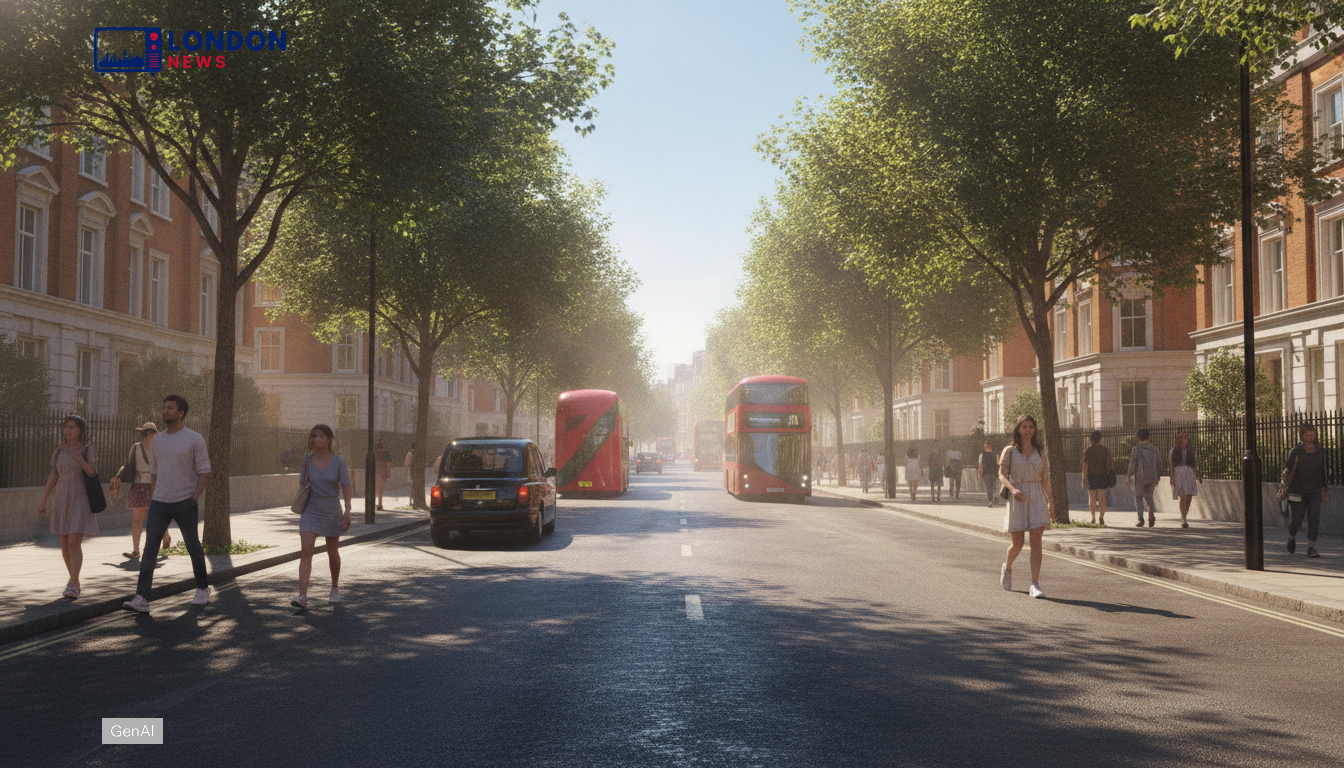
UK heatwave 2026 brings brighter conditions in parts of Britain
The UK heatwave 2026 is bringing a notable rise in sunshine for parts of Britain as clear skies persist under high pressure, as indicated by the Met Office. Anticyclonic conditions during the UK heatwave 2026 can limit cloud cover, potentially bringing long spells of bright weather over England and Wales. In some locations, daytime temperatures have at times approached 30C, based on recent Met Office forecast updates, although exact local peaks can vary. Some local authorities and transport operators have suggested that hot weather can create operational pressures on roads, rail surfaces and depots, particularly when heat persists. Forecasters also note that the brightest window often clusters around midday and early afternoon, when UV levels are typically highest and heat-stress risk can increase.
London impacts: travel, services and the urban heat island
In London during the UK heatwave 2026, elevated daytime heat and warmer nights could increase discomfort on the Underground and in busy commuter corridors where ventilation is limited, as transport operators have previously warned during hot spells. Separate briefings from BBC News UK briefing have highlighted how public services adjust during periods of unusual strain, including scheduling tweaks and welfare checks. Meteorologists have long noted the urban heat island effect, meaning the capital can stay hotter than nearby rural areas after sunset, reducing overnight relief. For wider European context on climate-linked infrastructure planning, see Portugal renewable energy plans and 2030 climate goals, while borough teams say they are monitoring parks and other high footfall areas as demand for outdoor space increases.
Public health guidance during hot spells
Health officials continue to stress hydration, shaded rest, and checking on vulnerable neighbours as temperatures remain elevated. The UK Health Security Agency has previously advised reducing strenuous activity during the hottest part of the day and keeping indoor spaces cooler using ventilation and blinds, particularly in top-floor flats that can retain heat overnight. Employers are encouraged by safety guidance to review outdoor work routines, including access to drinking water and regular breaks. Related operational cautions are covered in UK heatwave 2026 worsens as wildfires spread nationwide, and London Fire Brigade messaging has also highlighted careful disposal of cigarettes and safer barbecue use during dry conditions.
Environment: dry ground, water demand and fire risk
Land managers are watching soil moisture and vegetation stress as prolonged sun accelerates drying, possibly raising the risk of grass and heath fires, according to environment and fire authorities’ public warnings during hot spells. The Environment Agency has previously urged careful water use during hot, dry periods, noting that demand can spike at the same time river flows fall and water temperatures rise, which can stress wildlife. Water supply scrutiny has also been in focus in Ofwat sets South East Water penalty at £30.5m, while the Met Office has also indicated persistent high pressure can suppress rainfall for days, creating localised drought conditions even when the wider season remains mixed. Some councils have reported extra litter and maintenance needs when parks fill during bright weather.
Forecast outlook and practical preparations
Met Office model guidance suggests warmth might remain a feature in the near term, with daily temperatures fluctuating based on sea breezes and the strength of the high pressure. The Met Office typically cautions that confidence is higher for the overall theme than for exact local peaks several days ahead. Emergency planners generally treat prolonged heat as higher risk than a single hot day because repeated warm nights can compound fatigue and slow recovery, especially for older people, according to public-health guidance used during hot weather planning. For events and care settings, preparations can include staffing cover, accessible cool rooms and clearer queue management where shade is limited, as local resilience guidance commonly recommends for the UK heatwave 2026. Residents are encouraged to follow official heat-health alerts, Met Office updates, and local travel advice as the UK heatwave 2026 pattern evolves.